





2026-yilda BAAda yashash vizalari qanday o'zgaradi?
BAA yashash tizimi davom etmoqda.
Ko'p yillar davomida BAAda yashash odatda ish beruvchi, kompaniya yoki oilaviy homiy orqali yashash vizasini olishni anglatardi. Ushbu tuzilma hali ham mavjud, lekin endi bu yagona yo'l emas.
2026-yilga kelib, BAA investorlar, tadbirkorlar, malakali xodimlar, frilanserlar, nafaqaxo'rlar, masofadan ishlovchilar, istisno talantlar va barqarorlikka hissa qo'shayotgan odamlar uchun kengroq uzoq muddatli va o'z-o'zini moliyalashtirish imkoniyatlarini taklif etadi.
Eng muhim o'zgarish shundaki, yangi viza boshqa barcha vizalarni almashtirmaydi. Bu, malakali arizachilarga BAAda qanday yashash, ishlash va qolish bo'yicha ko'proq nazorat beradigan yanada moslashuvchan tizimning bosqichma-bosqich rivojlanishidir.
Ushbu qo'llanmada, 2026-yilda BAA yashash vizalarida nimalar o'zgarayotganini, qaysi variantlar mavjudligini va arizachilar ariza berishdan oldin nimalarni tekshirishlari kerakligini tushuntiramiz.
Muqaddas Eslatma
Yashash qoidalari, malakali talablar, to'lovlar va zarur hujjatlar o'zgarishi mumkin. Arizachilar har doim ariza berishdan oldin ICP, GDRFA Dubay yoki boshqa tegishli davlat organlari bilan so'nggi talablarni tekshirishlari kerak.
2026-yilda BAAda butunlay yangi yashash tizimi bormi?
Yo'q.
BAA o'zining butun yashash tizimini yangi tizim bilan almashtirmadi.
Buning o'rniga, so'nggi yillarda joriy etilgan bir qator islohotlar endi kengroq yashash tuzilmasi sifatida birgalikda ishlamoqda. Bu quyidagilarni o'z ichiga oladi:
Standart ish beruvchi homiylikdagi yashash
Oilaviy homiylikdagi yashash
Yashil yashash
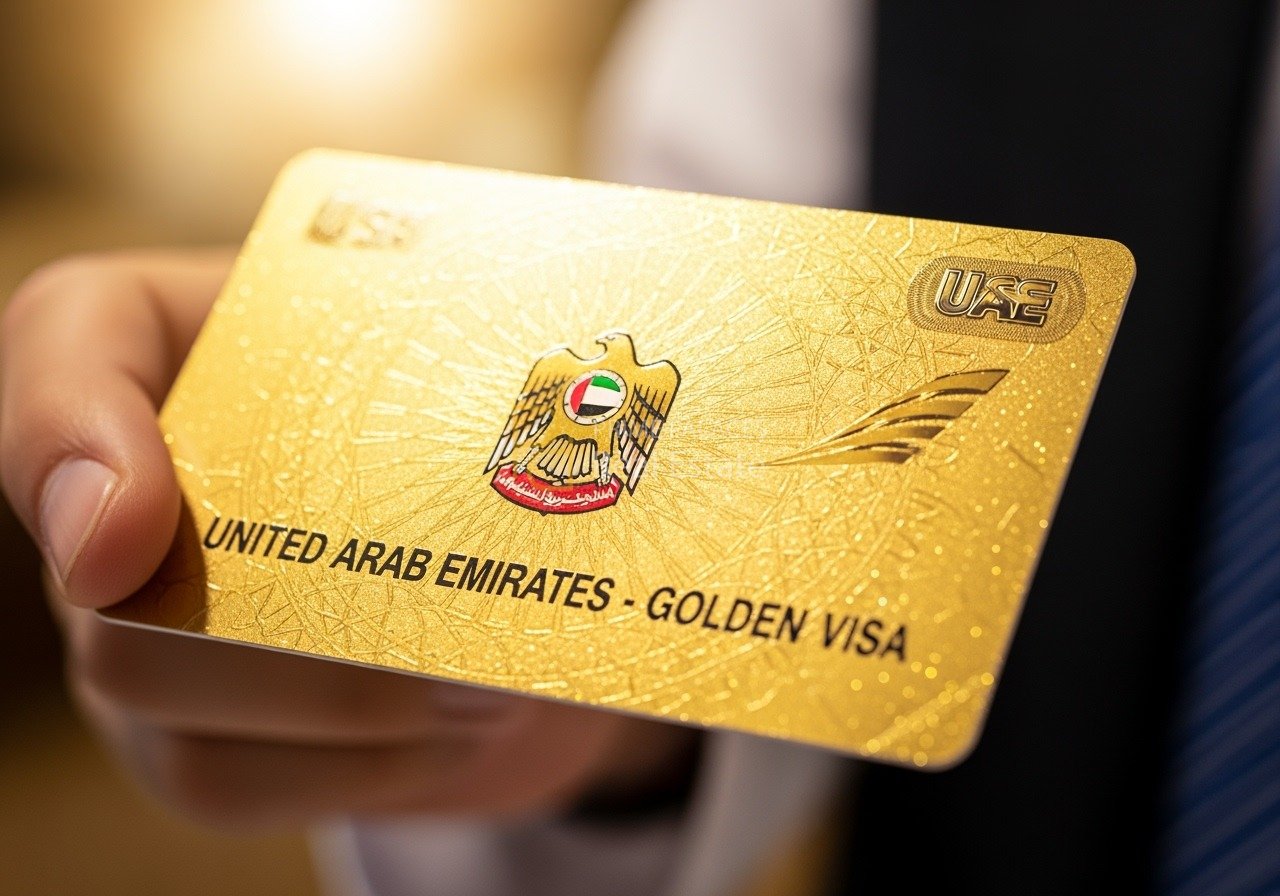
Oltin yashash
Ko'k yashash
Nafaqaga chiqish yashashi
Masofadan ishlash yashashi
Investor va biznes egalari yo'llari
Talaba yashashi
Gumanitar va maxsus yashash toifalari
Standart homiylikdagi yashash vizalari odatda homiy va viza toifasiga qarab bir, ikki yoki uch yil davomida amal qiladi. O'z-o'zini moliyalashtirish va uzoq muddatli toifalar tegishli shartlar bajarilganda besh yoki o'n yil davomida amal qilishi mumkin.
Arizachilar uchun asosiy vazifa endi faqat homiy topish emas. Bu o'zlarining ish, investitsiya, daromad va uzoq muddatli rejalari bilan eng yaxshi mos keladigan yashash toifasini aniqlashdir.
Uzoq muddatli yashash muhimroq bo'lib bormoqda
Eng aniq rivojlanishlardan biri BAAning uzoq muddatli yashash davrlariga bo'lgan e'tibori davom etmoqda.
An'anaviy yashash vizalari odatda nisbatan tez-tez yangilanishni talab qiladi va ish beruvchi, kompaniya yoki oilaviy homiy bilan yaqin aloqada bo'ladi.
Uzoq muddatli toifalar barqarorlikni ta'minlaydi.
Malakaga qarab, arizachilar quyidagilarni olishlari mumkin
Besh yillik yashil yashash
Besh yoki o'n yillik oltin yashash
O'n yillik ko'k yashash
Besh yillik nafaqaga chiqish yashashi
Boshqa yangilanadigan o'z-o'zini moliyalashtirish ruxsatnomalari
Ushbu yo'llar, an'anaviy ish beruvchi homiylikdagi yashash vizasiga bo'lgan bog'liqlikni kamaytirmoqchi bo'lgan arizachilar uchun ayniqsa jozibador bo'lishi mumkin.
Yashil yashash muhim o'z-o'zini moliyalashtirish variantidir
Yashil yashash an'anaviy homiylikka qarshi eng muhim alternativalardan biridir.
Bu, malakali arizachilarga o'zlarini homiylik qilish imkonini beruvchi yangilanadigan besh yillik yashash ruxsatnomasi.
ICP uchta keng malakali toifani aniqlaydi
Malakali xodimlar
Frilanserlar va o'z-o'zini ish bilan ta'minlovchilar
Investorlar va biznes hamkorlari
Malakali xodim odatda BAAda amal qiluvchi ish shartnomasiga ega bo'lishi, tasdiqlangan kasbiy malaka klassifikatsiyalariga kirishi, kamida bakalavr darajasiga ega bo'lishi va oyiga kamida AED 15,000 daromad olishlari kerak.
Frilanserlar va o'z-o'zini ish bilan ta'minlovchilar tegishli ruxsatnomaga ega bo'lishi va zaruriy ta'lim malakalari, moliyaviy barqarorlik yoki malakali daromadni ko'rsatishlari kerak. ICP hozirda yillik frilanser daromadi kamida AED 360,000 bo'lishi kerakligini ta'kidlaydi.
Yashil yashash, shuningdek, egasiga malakali oila a'zolarini homiylik qilish imkonini beradi.
Oltin yashash ko'proq narsani qamrab olmoqda
Oltin yashash BAAning eng mashhur uzoq muddatli viza toifalaridan biridir.
Bu quyidagi malakali shaxslarga taqdim etilishi mumkin
Ko'chmas mulk investorlariga
Jamoat investitsiyalari investorlariga
Tadbirkorlarga
Olimlar va tadqiqotchilarga
Istisno mutaxassislarga
Ajralib turuvchi talabalar va bitiruvchilarga
Gumanitar peshqadamlar
Boshqa tan olingan talant toifalariga
Toifaga qarab, ruxsatnoma besh yoki o'n yil davomida amal qilishi mumkin va odatda malakali shartlar davom etgan taqdirda yangilanadi.
Ko'chmas mulk investorlari uchun, odatda muhokama qilinadigan chegaralar AED 2 millionni tashkil etadi, lekin malakani faqat e'lon qilingan ko'chmas mulk narxidan baholash kerak emas.
Hokimiyatlar shuningdek, quyidagilarni ko'rib chiqishi mumkin
Ro'yxatdan o'tgan mulk
Arizachining shaxsiy ulushi
Ipoteka holati
To'langan summa
Rasmiy baholash
Ko'chmas mulk hujjatlari
Davom etayotgan mulk egaligi
Arizachilar mulk ro'yxatdan o'tgan emirlikda amal qiluvchi hozirgi talablarni tekshirishlari kerak.
Ko'k viza endi uzoq muddatli yashash tizimining bir qismi
Ko'k viza BAA yashash tizimiga yangi qo'shilganlardan biridir.
Bu, BAAda yoki xalqaro miqyosda atrof-muhitni muhofaza qilish va barqarorlikka istisno hissa qo'shgan shaxslar uchun mo'ljallangan o'n yillik yashash ruxsatnomasi.
Potentsial nomzodlar quyidagi sohalarda tan olingan hissa qo'shuvchilar bo'lishi mumkin
Atrof-muhitni muhofaza qilish
Barqarorlik
Iqlim harakati
Qayta tiklanadigan energiya
Dengiz va quruqlikni muhofaza qilish
Atrof-muhit tadqiqotlari
Barqaror texnologiya
Xalqaro atrof-muhit tashkilotlari
Ko'k viza, barqarorlik bilan bog'liq rolda ishlovchi har kimga umumiy viza emas. Arizachilar muhim va tan olingan hissalarni ko'rsatishlari kutilmoqda.
Ushbu rivojlanish BAAning mamlakatning uzoq muddatli barqarorlik maqsadlariga bog'liq sohalarda mutaxassislarni jalb qilishga bo'lgan e'tiborining ortishini aks ettiradi.
Yashash arizalari yanada raqamli bo'lib bormoqda
Boshqa muhim o'zgarish huquqiy emas, balki ma'muriydir.
BAA yashash xizmatlarini raqamli shaxsiy identifikatsiya va onlayn davlat platformalari bilan birlashtirishda davom etmoqda.
ICPning hozirgi yashash ruxsatnomasi xizmati yangi yashash ruxsatnomasini berishni Emirates ID arizasi bilan bog'laydi. Arizachilar odatda ma'lumotlarni taqdim etish, hujjatlarni ilova qilish, to'lovlarni amalga oshirish va ICP veb-sayti yoki mobil ilovasi orqali jarayonni kuzatishlari mumkin.
Ushbu integratsiya alohida qo'lda bajariladigan jarayonlarga bo'lgan ehtiyojni kamaytirishi mumkin.
Ammo, arizachilar hali ham quyidagi toifaga xos talablarni bajarishlari kerakligini kutishlari kerak
Tibbiy sog'liqni tekshirish
Biometrik ro'yxatdan o'tish
Sog'liqni sug'urtalash
Ish yoki investitsiya dalillari
Tasdiqlangan oila hujjatlari
Pasport amal qilish muddati talablariga rioya qilish
Xavfsizlik va fon tekshiruvi
Raqamli jarayon malaka tekshiruvi qoidalarini yumshatganini anglatmaydi.
Emirates ID yashash jarayonida markaziy ahamiyatga ega
Pasportdagi jismoniy yashash viza stikerlari endi BAAda yashashning asosiy isbotidir.
Emirates ID va elektron yashash yozuvi endi maqomni tasdiqlashda markaziy rol o'ynaydi.
ICPning yashash xizmati yashash ruxsatnomasini Emirates ID arizasi bilan bog'laydi va yashash tasdiqlangandan so'ng ID kartasini berishni ta'minlaydi.
Residentlar ma'lumotlarning quyidagilar bo'yicha bir xil ekanligini ta'minlashlari kerak
Pasport yozuvlari
Yashash yozuvlari
Emirates ID
Ishga oid hujjatlar
Ko'chmas mulk yoki kompaniya yozuvlari
Oila homiylik hujjatlari
Hatto kichik nomuvofiqliklar arizalarni yoki yangilanishlarni kechiktirishi mumkin.
BAAda olti oydan ortiq qolish
Olti oylik yo'qlik qoidasi ko'plab residentlar uchun muhim masala bo'lib qolmoqda.
Standart federal yashash ruxsatnomalari uchun, BAAdan 180 kundan ortiq qolish residentning mavjud ruxsatnoma bilan qaytish imkoniyatiga ta'sir qilishi mumkin.
ICP hozirda olti oydan ortiq vaqt davomida chet elda qolgan va haqiqiy sababni taqdim eta oladigan malakali residentlar uchun raqamli ruxsatnoma taklif etadi.
Ariza odatda quyidagilarni talab qiladi
BAAdan tashqarida berilishi kerak
Chet elda 180 kundan keyin berilishi kerak
Haqiqiy sabab bilan qo'llab-quvvatlanishi kerak
Yashash ruxsatnomasida 30 kundan ortiq vaqt qolganda berilishi kerak
Tasdiqlangandan so'ng belgilangan muddat ichida BAAga kirish bilan davom etishi kerak
Oltin, yashil va ko'k yashash egalari ushbu cheklovdan ozoddirlar, agar ularning ruxsatnomalari amal qilsa.
ICP xizmati Dubay residentlariga taalluqli emas, ular tegishli GDRFA Dubay jarayonini bajarishlari kerak.
Oila homiyligi muhim afzallik bo'lib qolmoqda
Ko'plab BAA yashash toifalari egalariga oila a'zolarini homiylik qilish imkonini beradi.
Viza va malaka shartlariga qarab, bu quyidagilarni o'z ichiga olishi mumkin
Er-xotin
O'g'il bolalar
Turmushga chiqmagan qizlar
Ota-onalar
Maxsus ehtiyojlari yoki sharoitlari bo'lgan bolalar
Qaramog'idagi shaxsning vizasining muddati odatda asosiy homiyning muddatidan oshib ketishi mumkin emas.
Arizachilar odatda quyidagilarni talab qiladi
Tasdiqlangan nikoh guvohnomalari
Tasdiqlangan tug'ilganlik guvohnomalari
Mos keladigan turar joy dalillari
Maosh yoki daromad dalillari
Amaldagi tibbiy sug'urta
Kattalar uchun tibbiy sog'liq natijalari
Homiyning yashash va Emirates ID yozuvlari
Oila homiyligi talablarining yashash toifasi va emirlikka qarab farqlanishi mumkin.
Nafaqaga chiqish yashashi mavjud
BAA malakali nafaqaxo'rlar uchun yashash variantlarini taklif qilishda davom etmoqda.
Federal ICP xizmati ma'lumotlari arizachilarni yosh yoki xizmat yillari bo'yicha malakali bo'lishi va tasdiqlangan moliyaviy shartlarni bajarishi kerakligini ko'rsatadi.
Potentsial moliyaviy yo'llar quyidagilarni o'z ichiga olishi mumkin
Malakali ko'chmas mulk egaligi
Malakali bank depoziti
Yetarli yillik daromad
Moliyaviy barqarorlik dalillari
ICP hozirda tegishli federal nafaqaga chiqish toifasi uchun kamida AED 1 million qiymatidagi ko'chmas mulk yoki depozit yoki kamida AED 240,000 yillik daromadni ko'rsatadi.
Dubay o'zining nafaqaga chiqish jarayonlarini GDRFA va ishtirok etuvchi idoralar orqali amalga oshirishi mumkin, shuning uchun arizachilar qaysi yo'l o'zlariga tegishli ekanligini tekshirishlari kerak.
Masofadan ishlash yashashi xalqaro mutaxassislarga yordam berishda davom etmoqda
BAAning virtual ish yashash imkoniyati, chet elda ishlayotgan mutaxassislar uchun BAAda yashashni davom ettirishni xohlaydiganlar uchun dolzarbdir.
Ushbu yo'l masofadan ishlovchilar va malakali biznes egalari uchun mo'ljallangan bo'lib, ular ish, daromad va sog'liqni sug'urtalash talablarini ko'rsatishlari kerak.
Bu odatda BAAda ish beruvchi homiyisiz beriladi, garchi arizachilar hali ham tegishli emirlikning moliyaviy va hujjat shartlarini bajarishlari kerak.
Ushbu variant quyidagilar uchun jozibador bo'lishi mumkin
Masofadan ishlovchilar
Raqamli mutaxassislar
Xalqaro maslahatchilar
Chet el biznes egalari
Joyga bog'liq bo'lmagan rahbarlar
Arizachilar ish shartnomasi va daromad dalillari hozirgi talablarni qondirayotganini tasdiqlashlari kerak.
Yangi tashrif vizalari ko'proq kirish moslashuvchanligini yaratishi mumkin
Eng so'nggi viza e'lonlaridan ba'zilari yashash ruxsatnomalari o'rniga tashrif vizalariga taalluqlidir.
2025-yil sentabrida ICP to'rt yangi tashrif viza maqsadini e'lon qildi va bir qator mavjud vizalarning shartlari yoki muddatlarini qayta ko'rib chiqdi.
Yangi toifalar quyidagilar bilan bog'liq kirish vizalarini o'z ichiga oldi
Sun'iy intellekt mutaxassislari
Ko'ngilochar
Tadbirlar
Turizmga oid maqsadlar
Ushbu kirish yo'llari o'zlari BAAda yashashni ta'minlamaydi.
Biroq, ular kengroq siyosat yo'nalishini aks ettiradi: BAA mutaxassislar, mutaxassislar, tadbirkorlar va strategik sohalarda ishtirok etuvchilar uchun tanlangan maqsad bilan mamlakatga kirish yo'llarini yaratmoqda.
Keyinchalik BAAda qolishni xohlaydigan arizachilar hali ham mos yashash toifasiga malaka olishlari kerak.
Qanday o'zgarishlar yo'q?
Uzoq muddatli vizalarning ko'payishiga qaramay, standart yashash talablar hali ham muhimdir.
Arizachilar hali ham quyidagilarni talab qilishi mumkin
Kamida olti oy davomida amal qiladigan pasport
Tibbiy sog'liqni tasdiqlash
Sog'liqni sug'urtalash
Biometrik ma'lumotlar
Emirates ID ro'yxatdan o'tkazilishi
Amaldagi homiylik yoki o'z-o'zini moliyalashtirish malakasi
To'g'ri tasdiqlangan hujjatlar
Amaldagi to'lovlarni amalga oshirish
O'tirish qoidalariga rioya qilish
ICP hozirda tegishli yashash va kirish ruxsatnomalari holatida amal qilish muddatidan keyin har kuni AED 50 miqdorida ortiqcha to'lovni qo'llaydi.
Shuning uchun arizachilar uzoq muddatli viza islohotlari normal muvofiqlik majburiyatlarini olib tashlaganini taxmin qilishdan qochishlari kerak.
Arizachilar qochishlari kerak bo'lgan umumiy xatolar
Kengaytirilgan vizalar ko'proq variantlarni yaratadi, lekin shuningdek, ko'proq potentsial chalkashliklarni ham.
Umumiy xatolar quyidagilarni o'z ichiga oladi
Noto'g'ri yashash toifasida ariza berish
Tashrif vizasining avtomatik ravishda yashashga aylantirilishi mumkinligini taxmin qilish
Eskirgan maosh yoki investitsiya chegaralariga tayanish
ICP va GDRFA Dubay jarayonlarini farqlashni e'tiborsiz qoldirish
Tasdiqlanmagan oila hujjatlarini taqdim etish
Har qanday ko'chmas mulk xaridi Oltin yashash uchun malakali deb hisoblash
Olti oylik yo'qlik qoidalarini e'tiborsiz qoldirish
Sog'liqni sug'urtalash yoki pasportning amal qilish muddatini o'tkazib yuborish
Litsenziyasiz agentlar yoki norasmiy kafolatlarga tayanish
Viza muddati tugagandan keyin yangilanish variantlarini ko'rib chiqishni kutish
To'g'ri yo'l arizachi katta ish, investitsiya yoki ko'chirish majburiyatlarini amalga oshirishdan oldin tanlanishi kerak.
Qaysi BAA yashash vizasi eng yaxshisi?
Hammaga mos keladigan yagona eng yaxshi viza yo'q.
Mos toifa arizachining sharoitlariga bog'liq.
Standart ish vizasi quyidagilarga mos kelishi mumkin
BAAda ish beruvchiga ega bo'lgan xodimlar
An'anaviy ish shartnomasini izlayotgan arizachilar
Ish beruvchisi yashash jarayonini boshqaradigan odamlar
Yashil yashash quyidagilarga mos kelishi mumkin
Malakali xodimlar
Frilanserlar
O'z-o'zini ish bilan ta'minlovchilar
O'z-o'zini moliyalashtirishni izlayotgan investorlar va biznes hamkorlari
Oltin yashash quyidagilarga mos kelishi mumkin
Katta investorlar
Ko'chmas mulk investorlar
Tadbirkorlar
Istisno mutaxassislar
Olimlar va yuqori natijalar ko'rsatgan shaxslar
Ko'k yashash quyidagilarga mos kelishi mumkin
Tan olingan atrof-muhit va barqarorlik hissa qo'shuvchilari
Nafaqaga chiqish quyidagilarga mos kelishi mumkin
Malakali ko'chmas mulk, jamg'arma yoki daromadga ega bo'lgan katta yoshdagi arizachilar
Masofadan ishlash quyidagilarga mos kelishi mumkin
Chet el kompaniyalarida ishlovchi mutaxassislar
Masofadan ishlovchi biznes egalari
Eng yaxshi yo'l - bu arizachining haqiqatan ham malaka olish va yashash davrining to'liq muddatida saqlab qolish imkoniyatiga ega bo'lgan yo'l.
Tez-tez beriladigan savollar
BAA yashash vizalari 2026-yilda o'zgaradimi?
BAA homiylik, o'z-o'zini moliyalashtirish va uzoq muddatli vizalar tizimini kengaytirishda davom etmoqda. Barcha residentlar uchun yagona almashtirish vizasi yo'q.
Men ish beruvchidan tashqari BAAda yashashni olsam bo'ladimi?
Ha. Malakaga qarab, yashil yashash, oltin yashash, ko'k yashash, nafaqaga chiqish yashashi va masofadan ishlash yashashi o'z-o'zini moliyalashtirishni ta'minlashi mumkin.
BAA yashash vizasi qancha vaqt amal qiladi?
Standart homiylik vizalari odatda bir, ikki yoki uch yil davomida amal qiladi. Malakali uzoq muddatli ruxsatnomalar besh yoki o'n yil davomida amal qilishi mumkin.
Yashil vizaning maosh talabi qanday?
ICP hozirda malakali malakali xodimlar uchun kamida AED 15,000 oylik maoshni, shuningdek, boshqa ta'lim va kasbiy shartlarni ko'rsatadi.
Oltin viza egalari BAAda olti oydan ortiq qolishi mumkinmi?
Ha. ICP hozirda oltin, yashil va ko'k yashash egalari standart olti oylik yo'qlik cheklovidan ozod bo'lgan toifalar orasida.
Tashrif vizasi yashash vizasi bilan bir xilmi?
Yo'q. Tashrif vizasi vaqtinchalik kirish va qolishni ta'minlaydi. Bu yashash huquqlarini, Emirates ID malakasini yoki uzoq muddatli homiylik afzalliklarini bermaydi.
Yashash arizalari onlayn tugallanganmi?
Ko'plab bosqichlar ICP yoki GDRFA raqamli platformalari orqali tugallanishi mumkin. Tibbiy tekshiruvlar, biometrik ma'lumotlar va boshqa toifaga xos jarayonlar hali ham talab qilinishi mumkin.
Prime Palaces qanday yordam bera oladi
Prime Palaces BAAda ko'chmas mulk investitsiyasi orqali yashashni ta'minlashni xohlaydigan shaxslar, investorlar va oilalarga yordam beradi.
Bizning jamoamiz mijozlarga malakali ko'chmas mulk imkoniyatlarini aniqlashda, Oltin viza malakasini tushunishda va zarur hujjatlar va tasdiqlash jarayonini boshqarishda yordam beradi.
Shuningdek, biz ishonchli huquqiy va davlat xizmatlari hamkorlari bilan hamkorlik qilamiz, shunda ariza jarayoni boshidan oxirigacha silliq, muvofiq va samarali bo'lishini ta'minlaymiz.