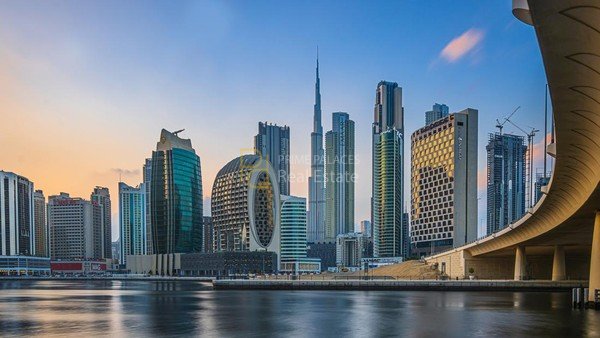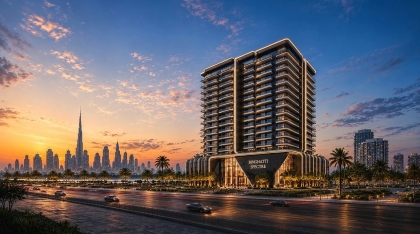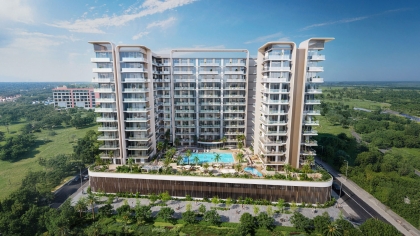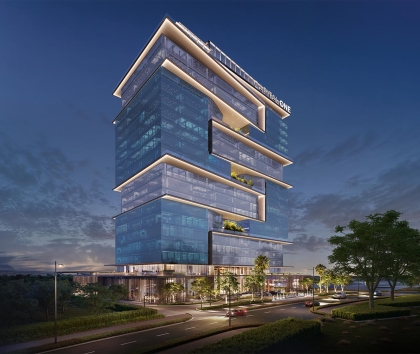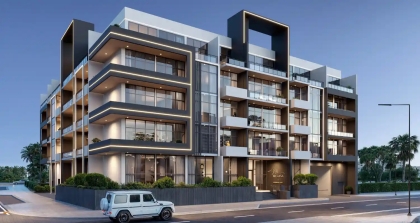


Дубайдың жылжымайтын мүлік бумын туризм қалай қозғайды
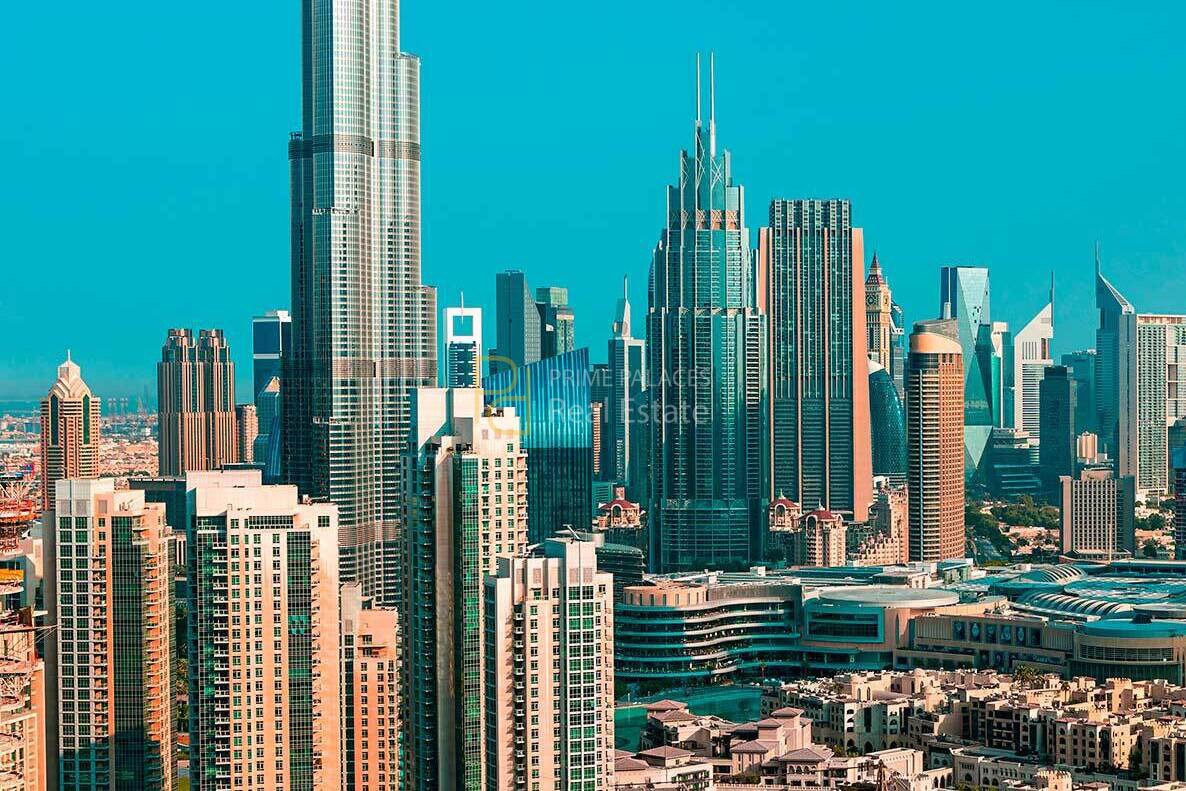
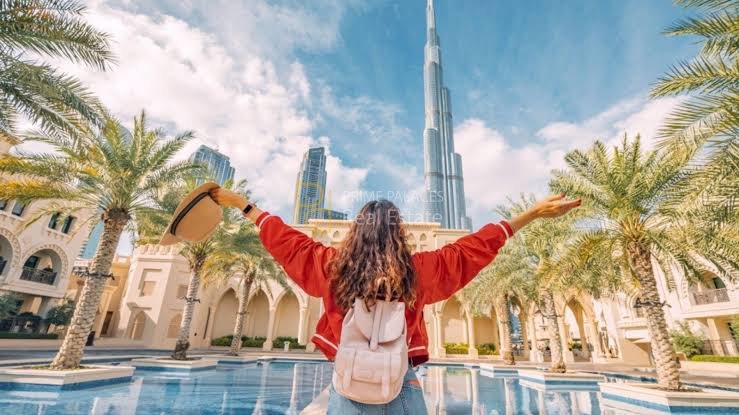
Дубай әлемдегі жетекші туристік бағыттардың бірі ретінде ұзақ уақыт бойы танымал болды. Әр жылы миллиондаған туристер оның люкс қонақ үйлерін, әйгілі көрнекті жерлерін, әлемдік деңгейдегі сауда орталықтарын және жыл бойы өтетін іс-шараларды көруге келеді.
Бірақ туризм қонақ үй бөлмелерін толтырудан гөрі, Дубайдың жылжымайтын мүлік нарығында сұранысты қозғауда маңызды рөл атқарады.
Келушілер саны рекордтық деңгейге жеткен сайын, көптеген туристер ұзақ мерзімді тұрғындарға, жылжымайтын мүлік сатып алушыларға және инвесторларға айналуда. Дубайдың амбициялық инфрақұрылымдық жобалары мен бизнеске қолайлы ортасымен бірге, туризм эмираттың жылжымайтын мүлік секторын қолдайтын ең күшті күштердің біріне айналды.
Бұл нұсқаулықта біз туризмнің Дубайдың жылжымайтын мүлік бумына қалай үлес қосып жатқанын және екі сектор арасындағы байланыстың неге барған сайын маңызды болып жатқанын зерттейміз.
Маңызды ескерту
Жылжымайтын мүліктің өнімділігі экономикалық жағдайлар, мемлекеттік саясат, инфрақұрылымдық инвестициялар және нарықтық сұраныс сияқты бірнеше факторларға байланысты. Инвесторлар жылжымайтын мүлік шешімдерін қабылдамас бұрын әрқашан тәуелсіз құқықтық және қаржылық тексеру жүргізуі керек.
Дубайдың туристік индустриясы рекордтарды бұзуды жалғастыруда
Дубайдың туристік секторы соңғы бірнеше жылда таңғаларлық өсімге қол жеткізді.
Дубай Экономика және Туризм Департаментінің (DET) мәліметтері бойынша, қала 2025 жылы 19,59 миллион халықаралық түнгі туристі қабылдады, бұл 2024 жылмен салыстырғанда 5% өсімді білдіреді және рекордтық туристік жылдардың үшінші қатарынан жылын белгілейді.
Қонақжайлылық секторы да мықты нәтижелер көрсетті
19,59 миллион халықаралық түнгі турист
80,7% орташа қонақ үй толтырылуы
827 мекемеде 154,000-нан астам қонақ үй бөлмесі
44,85 миллион түнделік бөлме
Орташа тәуліктік тариф (ADR) 579 AED-ке артты
Бос бөлмеге түсетін табыс (RevPAR) 467 AED-ке артты
Бұл сандар Дубайдың әлемдегі ең табысты туристік нарықтардың бірі болып қалатынын көрсетеді.
Туризм жылжымайтын мүлікке қалай әсер етеді?
Туризм мен жылжымайтын мүлік тығыз байланысты.
Келушілер саны артқан сайын, сұраныс көбінесе бірнеше жылжымайтын мүлік секторларында, соның ішінде:
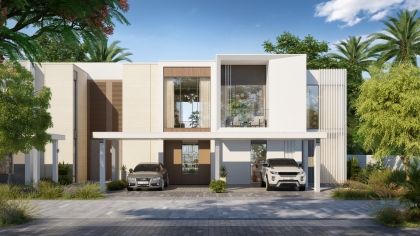
Демалыс үйлері
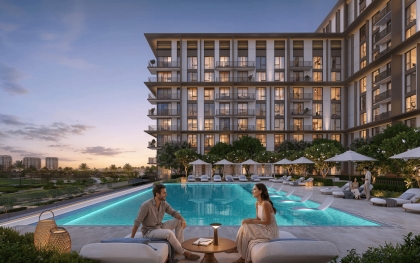
Люкс пәтерлер
Брендтелген тұрғын үйлер
Қонақ үй пәтерлері
Су жағасындағы құрылымдар
Сауда және коммерциялық жылжымайтын мүлік
Көптеген халықаралық туристер Дубайды алғаш рет турист ретінде танып, кейін екінші үй сатып алуға, көшуге немесе жылжымайтын мүлікке инвестиция жасауға шешім қабылдайды.
Инвесторлар үшін туризм болашақ сатып алушылар мен тұрғындардың үздіксіз ағынын жасайды.
Туристер жиі жылжымайтын мүлік сатып алушыларға айналады
Дубайдың бірегей күштерінің бірі - келушілерді ұзақ мерзімді инвесторларға айналдыру қабілеті.
Көптеген сатып алушылар бастапқыда демалыс, бизнес конференциясы немесе көрме үшін келеді, содан кейін жылжымайтын мүлік мүмкіндіктерін зерттейді.
Бұл өтпелі кезеңді ынталандыратын бірнеше факторлар
Жыл бойы күн сәулесі
Заманауи инфрақұрылым
Жоғары өмір сүру сапасы
Салық тиімді орта
Глобалдық байланыс
Сәйкес жылжымайтын мүлік иелігіне байланысты ұзақ мерзімді тұру мүмкіндіктері
Нәтижесінде, туризм инвестиция жолының алғашқы кезеңіне айналады.
Қонақжайлылық өсімі тұрғын үй сұранысын қолдайды
Дубайдың қонақ үй индустриясының табысы қалада өмір сүру және инвестициялау үшін кеңірек сұранысты көрсетеді.
Жоғары қонақ үй толтырылуы халықаралық туристерден тұрақты қызығушылықты көрсетеді, ал қонақ үйлер, мейрамханалар, сауда орталықтары және ойын-сауық орындарының кеңеюі бірнеше салаларда жұмыс орындарын жасайды.
Жұмыс орындары артқан сайын, тұрғын үйге сұраныс көбінесе оның жанында артады.
Бұл байланыс Дубайдағы қауымдастықтардың кеңеюін қолдауға көмектесті, әсіресе жаңа инфрақұрылым мен өмір салты дамуына пайда әкелетін аймақтарда.
Туризм люкс жылжымайтын мүлікке сұранысты қозғайды
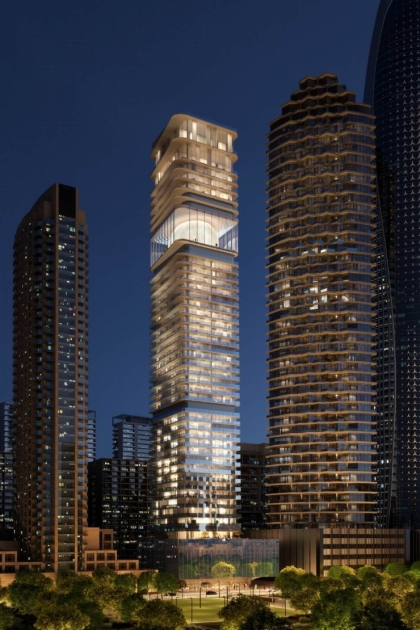
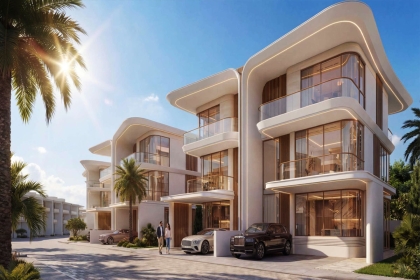
Дубайдың люкс жылжымайтын мүлік нарығы халықаралық сатып алушылар үшін барған сайын тартымды болып келеді.
Сапалы қонақ үйлерді, су жағасындағы бағыттарды және брендтелген тұрғын үйлерді көрген туристер қалада жылжымайтын мүлік иеленуге қызығушылық танытады.
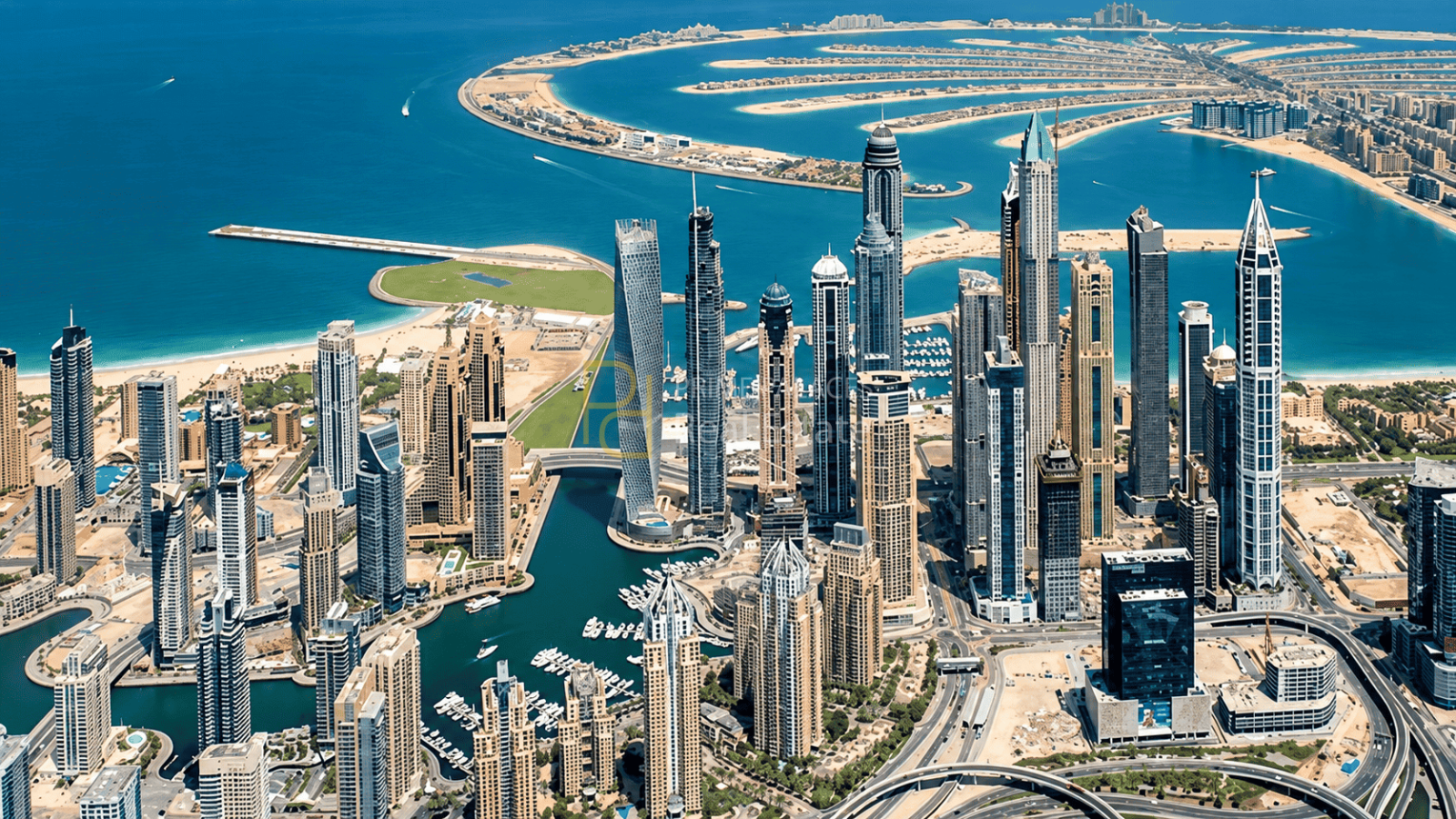
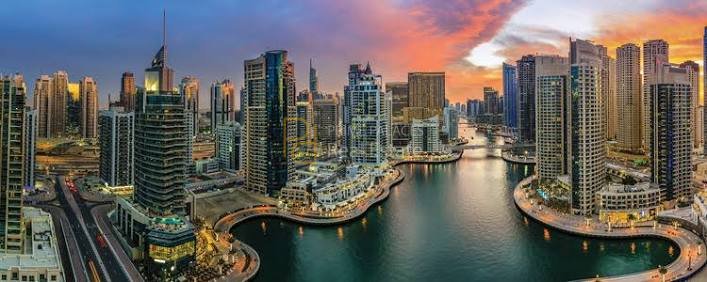
Пальма Джумейра, Дубай орталығы, Дубай Марина және Дубай Хиллс Эстейт сияқты люкс қауымдастықтар өмір салты мен инвестициялық мүмкіндіктерді іздейтін шетелдік сатып алушылардан тұрақты сұраныс тартады.
Люкс туризмнің тұрақты өсуі Дубайдың премиум жылжымайтын мүлік үшін жаһандық бағыт ретінде орнын нығайтады.
Бизнес туризм де маңызды
Демалыс саяхаты Дубайдың табысының тек бір бөлігі.
Қала әлемдегі бизнес іс-шаралары, көрмелер және халықаралық конференциялар үшін жетекші бағыттардың бірі ретінде де танылды.
Маңызды іс-шаралар жыл бойы Дубайға басшылар, кәсіпкерлер және инвесторларды тартады, олардың көпшілігі кейін жергілікті жылжымайтын мүлік нарығында мүмкіндіктерді зерттейді.
Бизнес туризм жыл бойы сұранысты сақтауға көмектеседі, тек маусымдық туристерге ғана сүйенбейді.
Инфрақұрылым туризм мен жылжымайтын мүлік арасындағы байланысты нығайтуда
Дубай туризм мен жылжымайтын мүлікке пайда әкелетін жобаларға үлкен инвестициялар салып жатыр.
Мысалдар
Әл Мактум халықаралық әуежайының кеңеюі
Экспо Сити Дубай
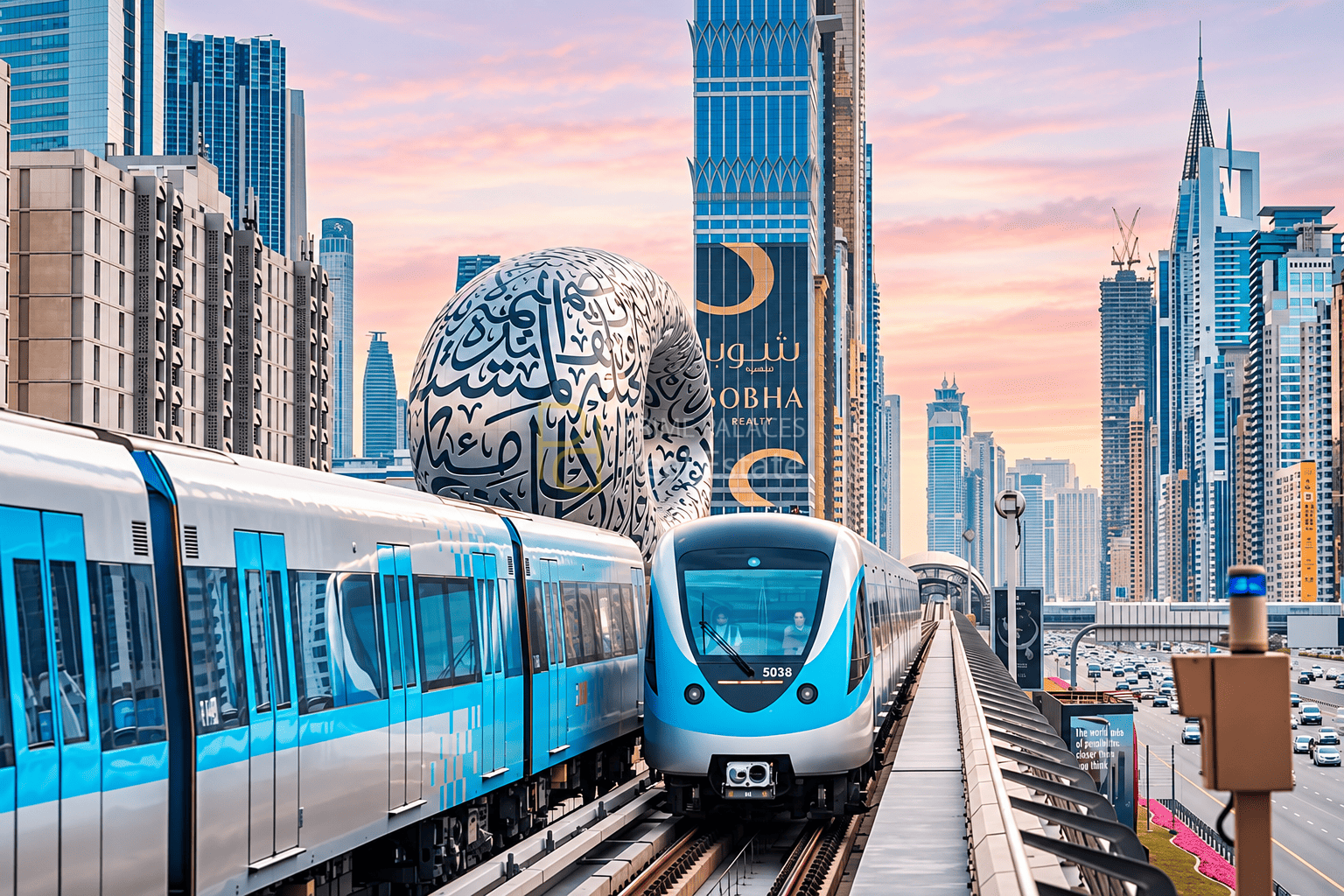
Жаңа метро және жол инфрақұрылымы
Люкс қонақжайлылық жобалары
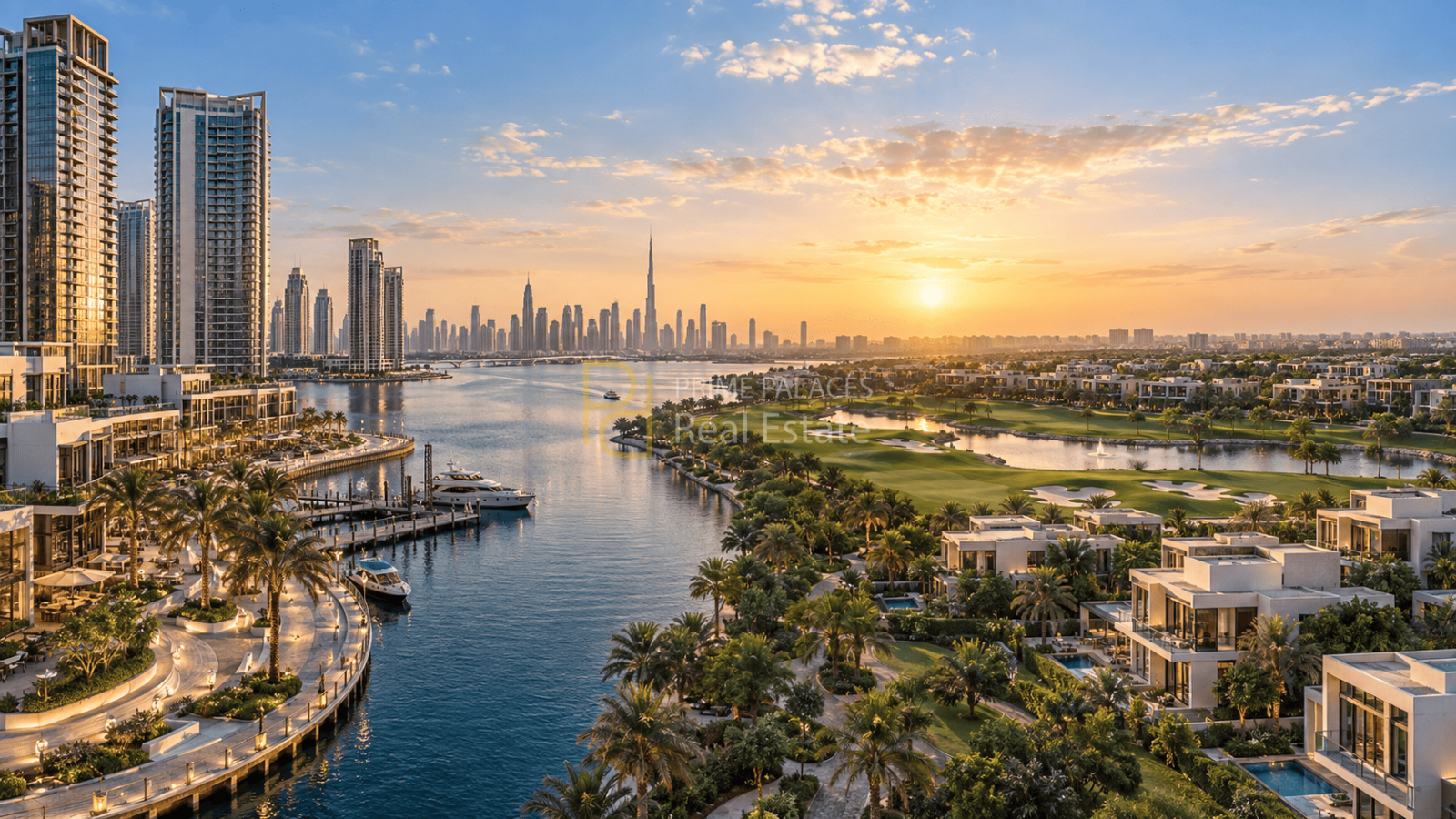
Су жағасындағы мастер қауымдастықтар
Ойын-сауық және мәдени attractions
Бұл жобалар қолжетімділікті жақсартады, өмір сүру сапасын арттырады және жақын тұрғын үй қауымдастықтарының тартымдылығын арттырады.
Ұзақ мерзімді инвесторлар үшін инфрақұрылымдық инвестициялар болашақ жылжымайтын мүлік сұранысының ең күшті көрсеткіштерінің бірі болып табылады.
Қысқа мерзімді жалға беру жаңа инвестициялық мүмкіндіктерді жасады
Туризмнің өсуі Дубайдың лицензияланған қысқа мерзімді жалға беру нарығын да қолдады.
Көптеген инвесторлар демалыс туристерін қабылдай алатын, бірақ ұзақ мерзімді тұрғын үй үшін де жарамды жылжымайтын мүлікті таңдайды.
Бұл икемділік иелерге инвестициялық стратегияларын нарықтық жағдайлар мен реттеуші талаптарға байланысты бейімдеуге мүмкіндік береді.
Дегенмен, инвесторлар қысқа мерзімді жалға беру нарығына кірмес бұрын, өз мүліктерінің Дубайдың лицензиялау және демалыс үйі ережелеріне сәйкес келетінін әрқашан қамтамасыз етуі керек.
Қай аймақтар туризмнен ең көп пайда көреді?
Дубайдың бірнеше қауымдастықтары күшті туристік сұраныстан пайда көре береді.
Популярлы мысалдар
Дубай орталығы
Пальма Джумейра
Дубай Марина
Бизнес Бэй
Блюуотерс аралы
Дубай Крик Харбор
Джумейра Бич Резиденс (JBR)
Бұл орындар туристік тартымдылықты тұрғын үй сұранысымен біріктіріп, оларды меншік иелері мен инвесторлар үшін тартымды етеді.
Бұл инвесторлар үшін не білдіреді?
Туризм жылжымайтын мүліктің бағасын арттыруды қамтамасыз етпейді.
Дегенмен, тұрақты келушілердің өсуі көбінесе:
Тұрғын үй сұранысының артуы
Халықаралық сатып алушылардың қызығушылығының артуы
Қонақжайлылық инфрақұрылымының кеңеюі
Жаңа жұмыс орындарының пайда болуы
Көлік және қоғамдық қызметтерге тұрақты инвестициялар
Дубайдың халық санының өсуі мен бизнес кеңеюімен бірге, туризм қаланың ұзақ мерзімді жылжымайтын мүлік нарығын қолдайтын негізгі драйверлердің бірі болып қала береді.
Жиі қойылатын сұрақтар
Неліктен туризм Дубайдың жылжымайтын мүлік нарығына әсер етеді?
Туризм жыл сайын Дубайға миллиондаған халықаралық туристерді енгізеді. Көптеген адамдар кейіннен инвесторлар, үй иелері немесе ұзақ мерзімді тұрғындар ретінде оралады, бұл тұрғын және коммерциялық жылжымайтын мүлікке қосымша сұраныс тудырады.
2025 жылы Дубайға қанша турист келді?
Дубай Экономика және Туризм Департаментінің мәліметтері бойынша, Дубай 2025 жылы 19,59 миллион халықаралық түнгі туристі қабылдады, бұл бұрын-соңды тіркелген ең жоғары жылдық көрсеткіш.
Дубайдың қай аймақтары туризмнен ең көп пайда көреді?
Дубай орталығы, Пальма Джумейра, Дубай Марина, Бизнес Бэй және Дубай Крик Харбор сияқты қауымдастықтар күшті туристік белсенділіктен пайда көретін орындардың қатарында.
Туризм жылжымайтын мүлік бағаларын арттыра ма?
Туризм ұзақ мерзімді жылжымайтын мүлік сұранысын қолдауы мүмкін, бірақ жылжымайтын мүлік бағалары ұсыныс, инфрақұрылым, қаржыландыру жағдайлары және кеңірек экономикалық факторларға да байланысты.
Туризм Дубай үшін маңызды болып қала ма?
Туризм Дубайдың экономикалық стратегиясының орталық тіректерінің бірі болып қала береді, инфрақұрылым, қонақжайлылық және халықаралық іс-шараларға тұрақты инвестициямен қолдау көрсетіледі.
Prime Palaces қалай көмектесе алады
Prime Palaces-те біз инвесторларға Дубайдың жылжымайтын мүлік нарығындағы мүмкіндіктерді анықтауға көмектесеміз.
Сіз люкс су жағасындағы пәтер, жоспарланбаған инвестиция немесе ұзақ мерзімді отбасылық үй іздесеңіз де, біздің команда сізге ақпараттандырылған жылжымайтын мүлік шешімдерін қабылдауға көмектесу үшін нарықтық сараптамалар мен жеке кеңестер ұсынады.