


DIFC Surpasses 10,000 Companies: What It Means for Dubai Real Estate
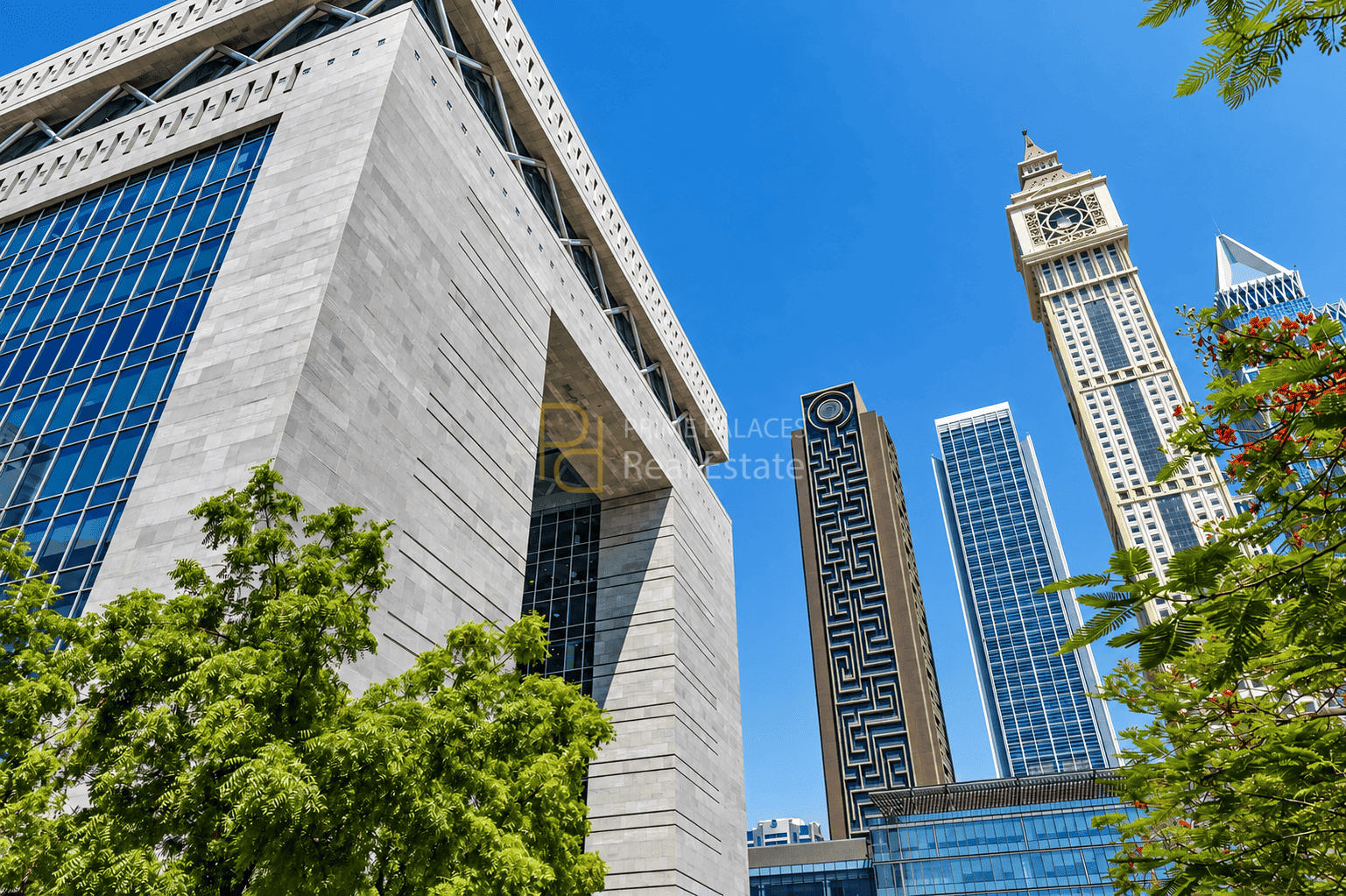
Dubai International Financial Centre has crossed a major milestone.
In the first half of 2026, the number of active registered companies in DIFC reached 10,018, pushing the financial district beyond the 10,000-company mark for the first time.
The milestone reflects more than the growth of a business district.
DIFC is expanding its workforce, attracting financial institutions, wealth managers, technology companies and international businesses, while simultaneously preparing for a major physical expansion through the new DIFC Zabeel District.
For Dubai's property market, this raises an important question:
What could the continued expansion of DIFC mean for real estate demand in and around the financial centre?
DIFC Reaches 10,018 Active Companies
According to DIFC's H1 2026 results, the financial centre reached 10,018 active registered companies by the end of June 2026.
DIFC attracted 2,318 new active registered companies over the preceding 12 months, representing organic growth of approximately 30%.
The pace of expansion becomes clearer when compared with previous years.
At the end of 2024, DIFC had 6,920 active companies.
By the end of 2025, that figure had increased to 8,844.
Six months later, DIFC had passed 10,000.
This represents a significant expansion of Dubai's financial and professional-services ecosystem.
What Is Driving DIFC's Growth?
DIFC is not attracting only one type of business.
Its ecosystem includes companies operating across:
-
Banking
-
Capital markets
-
Wealth management
-
Asset management
-
Insurance
-
FinTech
-
Artificial intelligence
-
Professional services
-
Family wealth
-
Innovation and technology
This diversity matters for Dubai.
A broader financial ecosystem can attract different types of companies, investors and skilled professionals rather than relying on one industry.
Dubai's Position as a Financial Centre Is Strengthening
DIFC's expansion forms part of Dubai's wider strategy to strengthen its position as an international financial hub.
The Dubai Economic Agenda D33 includes an ambition to position Dubai among the world's leading financial centres.
In March 2026, Dubai reached 7th place globally in the Global Financial Centres Index, its highest position at that point.
DIFC's continued expansion is an important part of that story.
But company registrations are only one side of the equation.
More businesses also require people.
And people require offices, housing, services, restaurants, schools and transportation.
That is where the real estate implications become particularly interesting.
More Companies Can Mean More Employment Demand
As DIFC expands, its workforce is also growing.
By the end of 2025, DIFC's workforce had reached approximately 50,200 professionals, after adding more than 4,000 jobs during the year.
The continued addition of businesses creates the potential for further employment growth.
For Dubai property investors, employment is one of the most important long-term demand drivers.
People generally choose homes based partly on where they work.
A growing employment centre can therefore influence residential demand in surrounding areas.
Why Employment Centres Matter for Property
Property markets are ultimately driven by people.
When analysing a residential investment, one useful question is:
Why will someone want to live here?
Proximity to employment is one of the strongest answers.
Professionals working in DIFC may consider residential locations offering convenient access to the financial district.
That can include areas such as:
-
DIFC itself
-
Downtown Dubai
-
Business Bay
-
City Walk
-
Za'abeel
-
Dubai Design District and surrounding central locations
The relationship is not automatic.
More DIFC companies do not guarantee that every nearby apartment will rise in value or rent.
But employment growth can strengthen the underlying demand base supporting central Dubai property.
DIFC Is Also Running Out of Space
The growth of DIFC has created another challenge:
physical capacity.
Strong demand for offices has already encouraged significant expansion.
DIFC completed DIFC Square ahead of schedule, with the development reaching full occupancy before handover.
Between 2026 and 2027, DIFC plans to add approximately 1.6 million square feet of commercial space through developments including:
-
DIFC Living
-
Innovation Two
-
Immersive Tower
But these developments are only the beginning.
DIFC Zabeel District Changes the Scale
In January 2026, Dubai announced one of DIFC's most important expansions since the financial centre was established.
The DIFC Zabeel District will extend the financial centre into a major new mixed-use district adjacent to the existing Gate District.
The scale is substantial.
The project covers approximately:
-
7.1 million sq ft of site area
-
17.7 million sq ft of gross floor area
-
More than AED 100 billion in estimated gross development value
Development is planned across six phases.
The first phase is expected to open by 2030, with the overall masterplan scheduled for completion by 2040.
DIFC Could Eventually Support More Than 42,000 Companies
The long-term targets reveal the scale of Dubai's ambition.
Once the expanded district is fully developed, DIFC is designed to accommodate:
More than 42,000 companies
and a workforce of:
More than 125,000 professionals.
That would represent a dramatic increase from today's scale.
For property investors, this is where the story moves beyond a single corporate milestone.
The 10,000-company figure represents where DIFC is today.
The Zabeel District shows where Dubai intends to take it next.
The Expansion Is Not Just Offices
DIFC Zabeel District is planned as a mixed-use destination.
The masterplan includes:
-
Commercial space
-
Residential property
-
Hotels
-
Retail
-
Conference facilities
-
Innovation facilities
-
Education
-
Lifestyle amenities
-
Public spaces
This reflects a wider change in how major business districts are being designed.
The traditional model was simple:
People travelled into an office district in the morning and left at night.
Modern financial centres increasingly combine work, living, dining, hospitality and entertainment.
DIFC is moving further in that direction.
What Could This Mean for Residential Property?
The most direct potential impact is increased demand from professionals.
If more financial institutions, investment firms, technology companies and professional-services businesses establish operations in DIFC, more employees may want to live within convenient commuting distance.
This could support demand for:
One-Bedroom Apartments
These can appeal to single professionals and couples.
Two-Bedroom Apartments
These may attract couples wanting additional space, professionals working from home and small families.
Premium Residences
Senior executives and high-income professionals may prioritise:
-
Location
-
Views
-
Privacy
-
Building quality
-
Branded residences
-
Hotel-style services
-
Walkability
This helps explain why the wider DIFC-Downtown corridor continues to attract premium residential development.
DIFC Living Adds Residential Property Directly to the District
DIFC itself is increasingly becoming residential.
Projects such as DIFC Living and Innovation Two integrate homes into the financial centre's wider development.
This is significant.
Rather than commuting from another part of Dubai, residents can potentially live, work, dine and socialise within the same wider district.
For certain professionals, that convenience can carry significant value.
The Rise of Branded and Luxury Residences
DIFC's expansion also intersects with another major Dubai property trend: premium and branded residences.
The profile of people working within DIFC includes executives, bankers, fund managers, entrepreneurs, investors and other high-income professionals.
That creates a potential audience for premium residential products.
However, investors should not assume that a luxury address alone guarantees strong returns.
The fundamentals still matter:
-
Entry price
-
Layout
-
View
-
Service charges
-
Developer
-
Rental demand
-
Future supply
-
Resale audience
DIFC Is Becoming an AI and Technology Hub Too
Another important part of the growth story is technology.
In April 2026, DIFC announced its ambition to become what it describes as the world's first AI-Native financial centre.
The strategy involves embedding artificial intelligence into areas including:
-
Legal frameworks
-
Regulation
-
Business operations
-
Talent development
-
Financial services
-
Infrastructure
DIFC projects that the initiative could contribute approximately AED 12.9 billion to Dubai's economy and support the creation of 25,000 jobs.
These are forward-looking targets rather than existing economic outcomes.
But they show how DIFC's future growth strategy extends beyond traditional banking.
The World's Largest Innovation Hub Is Planned
The Zabeel expansion will dedicate more than one million square feet to future technologies and artificial intelligence.
Plans include an expanded Innovation Hub and purpose-built AI Campus.
The facilities are designed to eventually serve more than:
-
6,000 businesses
-
30,000 technology specialists
For property investors, this could broaden the employment base surrounding DIFC.
Instead of demand coming predominantly from finance, the district could increasingly attract technology professionals as well.
Wealth Management Is Another Important Growth Story
DIFC has also become increasingly important for global wealth and asset management.
At the end of 2025, its regulated financial ecosystem included more than 500 wealth and asset management firms, including 102 hedge funds.
DIFC has also expanded its family wealth ecosystem.
This matters because Dubai is increasingly competing not only for companies but also for global capital and high-net-worth residents.
When businesses, investment managers and wealthy families establish a long-term presence, the impact can extend into:
-
Luxury housing
-
Offices
-
Hospitality
-
Private banking
-
Education
-
Professional services
That creates a broader economic ecosystem around the financial district.
Which Property Areas Could Be Influenced?
The strongest potential relationship exists in areas with convenient access to DIFC.
DIFC
The most direct option.
Residents can potentially live within walking distance of their workplace.
Downtown Dubai
Downtown combines luxury residential property with relatively convenient access to DIFC.
Business Bay
Business Bay offers a large apartment market and strong access to Downtown and DIFC.
Za'abeel
The new DIFC Zabeel District makes the wider Za'abeel area particularly relevant to the financial centre's long-term expansion.
City Walk
City Walk provides another premium residential option within relatively easy reach of DIFC.
These areas serve different buyer and tenant profiles, so investors should not treat them as interchangeable.
Could DIFC Growth Push Property Prices Higher?
Potentially, but this should not be treated as guaranteed.
Employment growth and business expansion can strengthen housing demand.
However, property prices are influenced by many factors, including:
-
Interest rates
-
New supply
-
Purchase prices
-
Rental growth
-
Investor demand
-
Construction
-
Global economic conditions
-
Individual project quality
DIFC's growth is therefore best understood as a demand driver, not a promise of property appreciation.
Office Demand Matters Too
The real estate impact is not limited to residential property.
More than 10,000 active companies require commercial space.
DIFC Square reaching full occupancy before handover provides a useful indication of current office demand within the financial centre.
Additional commercial developments are therefore being delivered to accommodate continued expansion.
For Dubai's broader real estate market, strong demand for premium office space can support:
-
Commercial development
-
Retail
-
Hospitality
-
Residential demand
-
Transport infrastructure
Business and residential real estate are interconnected.
What Should Property Investors Watch?
DIFC's growth creates an interesting long-term story.
But investors should still analyse individual opportunities carefully.
Distance From DIFC
How convenient is the commute?
Entry Price
Has expected future growth already been reflected in the purchase price?
Future Supply
How many competing apartments are being built nearby?
Tenant Profile
Who will realistically rent the property?
Service Charges
Premium buildings can carry significant annual ownership costs.
Unit Type
Does the layout suit professionals, couples or families?
Resale Market
Who is likely to purchase the property from you later?
The best investment is not automatically the building closest to DIFC Gate.
It is the property where location, demand and price make sense together.
DIFC and Dubai's D33 Strategy
The continued expansion of DIFC also needs to be understood within Dubai's broader economic strategy.
The Dubai Economic Agenda D33 aims to double the size of Dubai's economy over the decade to 2033 and strengthen its position among the world's leading business and financial cities.
DIFC is one of the major platforms supporting that objective.
The growth from fewer than 7,000 active companies at the end of 2024 to more than 10,000 by H1 2026 illustrates the speed at which the ecosystem is currently expanding.
The Zabeel District represents the next stage.
Frequently Asked Questions
How many companies are registered in DIFC?
DIFC reported 10,018 active registered companies at the end of H1 2026.
How quickly is DIFC growing?
DIFC reported 2,318 new active registered companies over the preceding 12 months, representing organic growth of approximately 30%.
What is DIFC Zabeel District?
DIFC Zabeel District is a major expansion of the existing financial centre covering approximately 7.1 million sq ft of site area and 17.7 million sq ft of gross floor area.
How much is the DIFC expansion worth?
The estimated gross development value of DIFC Zabeel District exceeds AED 100 billion.
When will DIFC Zabeel District open?
Development will take place in phases. The first phase is planned to open by 2030, while the overall masterplan is scheduled for completion by 2040.
How many companies could DIFC eventually accommodate?
The expanded financial centre is designed to accommodate more than 42,000 companies and over 125,000 professionals.
Could DIFC's growth affect Dubai property?
Business and employment growth can support residential and commercial demand in surrounding areas. However, this does not guarantee price or rental increases for individual properties.
Conclusion: DIFC's 10,000 Companies May Be Just the Beginning
Crossing 10,000 active companies is an important milestone for Dubai International Financial Centre.
But perhaps the more important number is 42,000.
That is the scale DIFC is ultimately preparing to accommodate through its expansion.
More businesses can mean more professionals.
More professionals can create more demand for offices, homes, restaurants, retail and services.
And the development of DIFC Zabeel District will physically expand the financial centre to accommodate that growth.
For Dubai property investors, DIFC's expansion should therefore be watched as more than financial-sector news.
It is part of the changing economic geography of central Dubai.
The important question is not simply how many companies DIFC has today.
It is where the people working for the next generation of DIFC companies will choose to live tomorrow.
How Prime Palaces Can Help
Prime Palaces helps international investors identify Dubai property opportunities connected to the city's long-term economic and infrastructure growth.
When evaluating property around DIFC, Downtown Dubai, Business Bay and emerging central districts, we consider more than proximity.
Entry price, future supply, tenant demand, property type, developer quality and exit potential all form part of the investment decision.
Because a growing business district can create opportunity.
The property still needs to make sense.