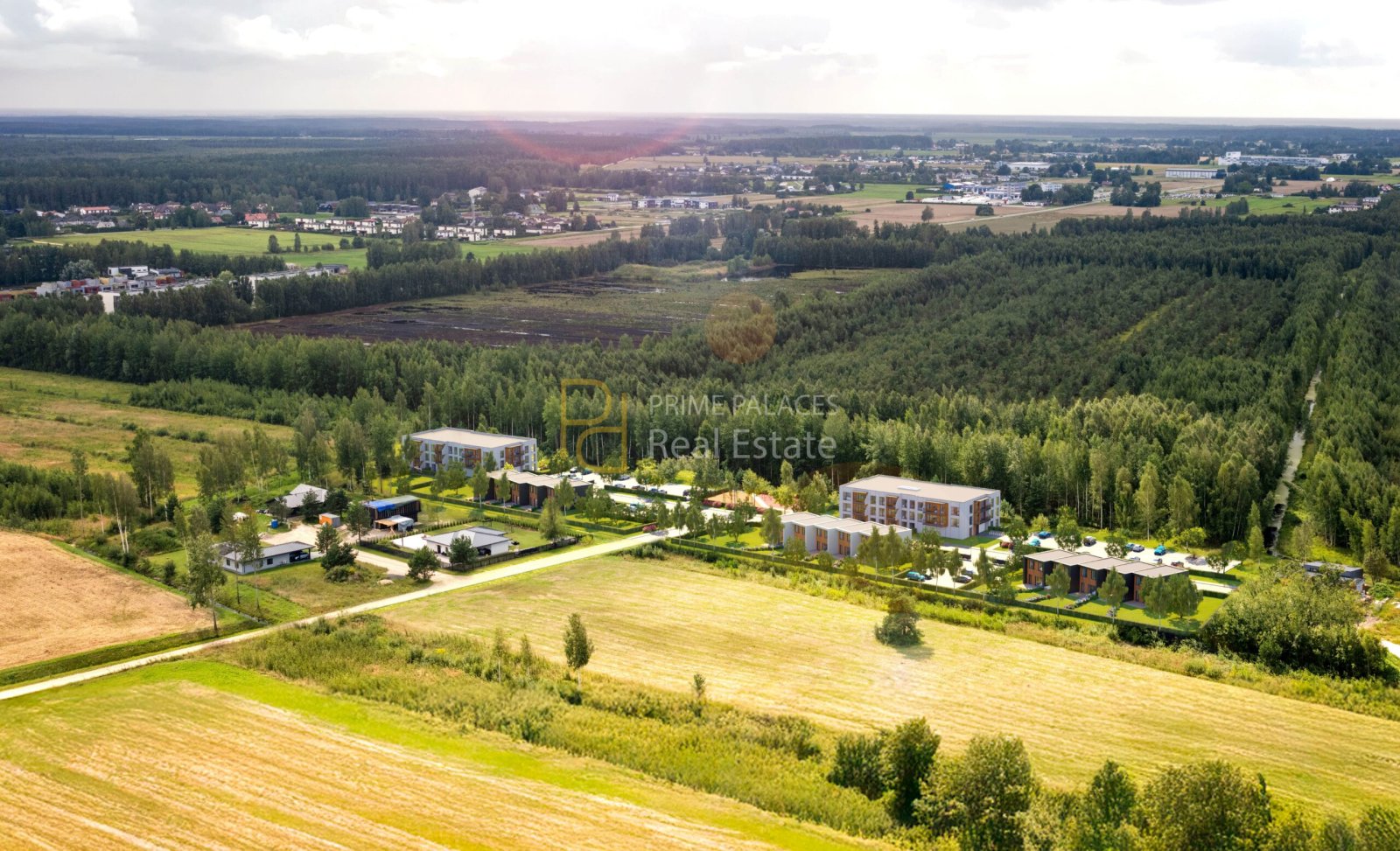



Marupes Sirds - bu rejalashtirilgan yashash rivojlanishi bo'lib, Mārupe markazida joylashgan, mustaqil bino loyihasi emas, balki bir butun 12 gektar hudud sifatida ishlab chiqilgan. Invego tomonidan ishlab chiqilgan loyiha, Rīga metropolitan hududida strukturalangan shahar atrofidagi yashash konsepsiyasini taqdim etadi, kvartira binolari va qator uylarni birlashtirgan holda yagona shahar rejasida joylashtiradi. Ushbu yondashuv, Mārupe da odatiy kichik o'lchamdagi yashash rivojlanishlaridan farq qiladi, uni parchalanmagan uy-joy klasteridan ko'ra uzoq muddatli jamoaga yo'naltirilgan loyiha sifatida joylashtiradi.
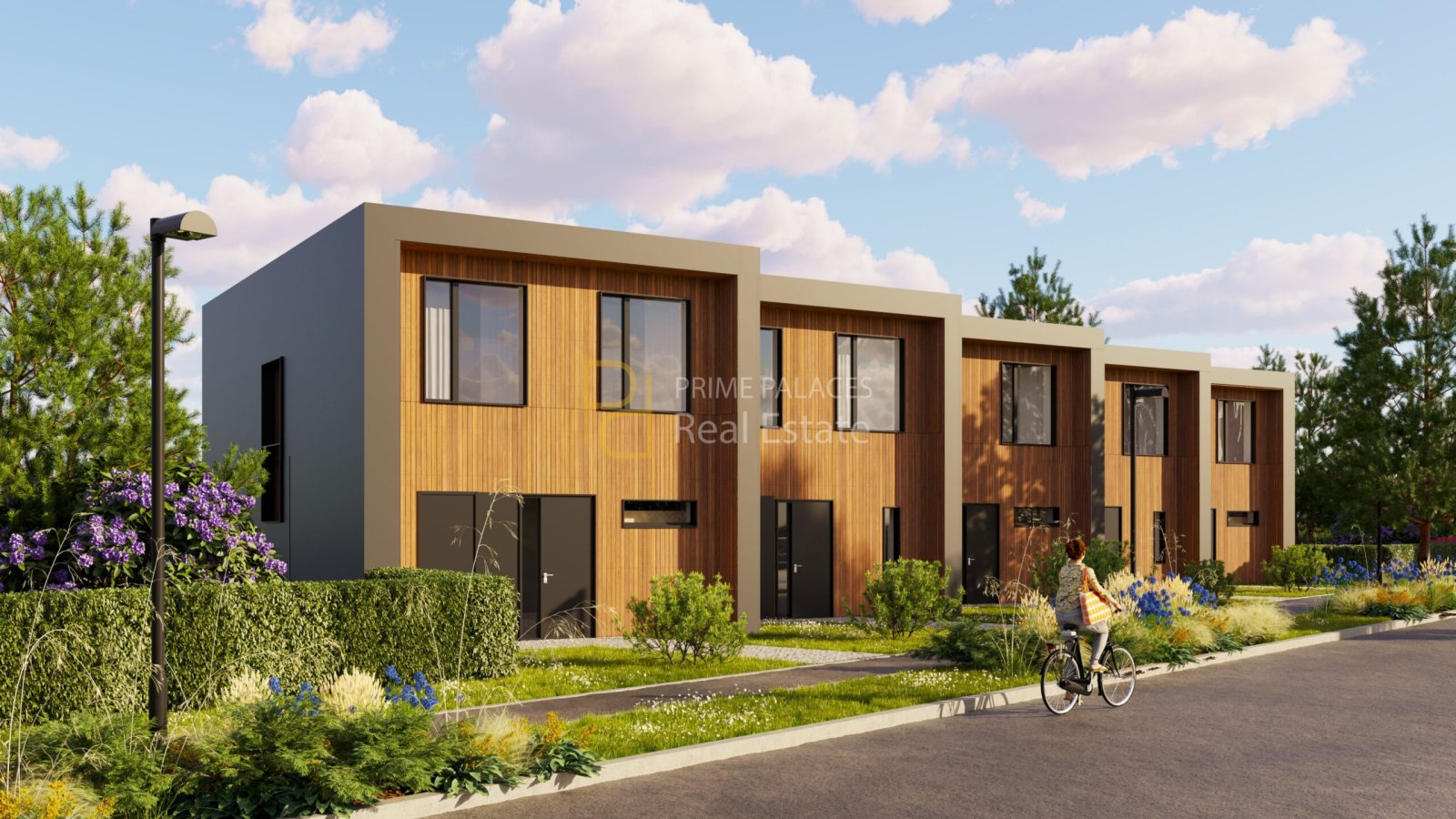
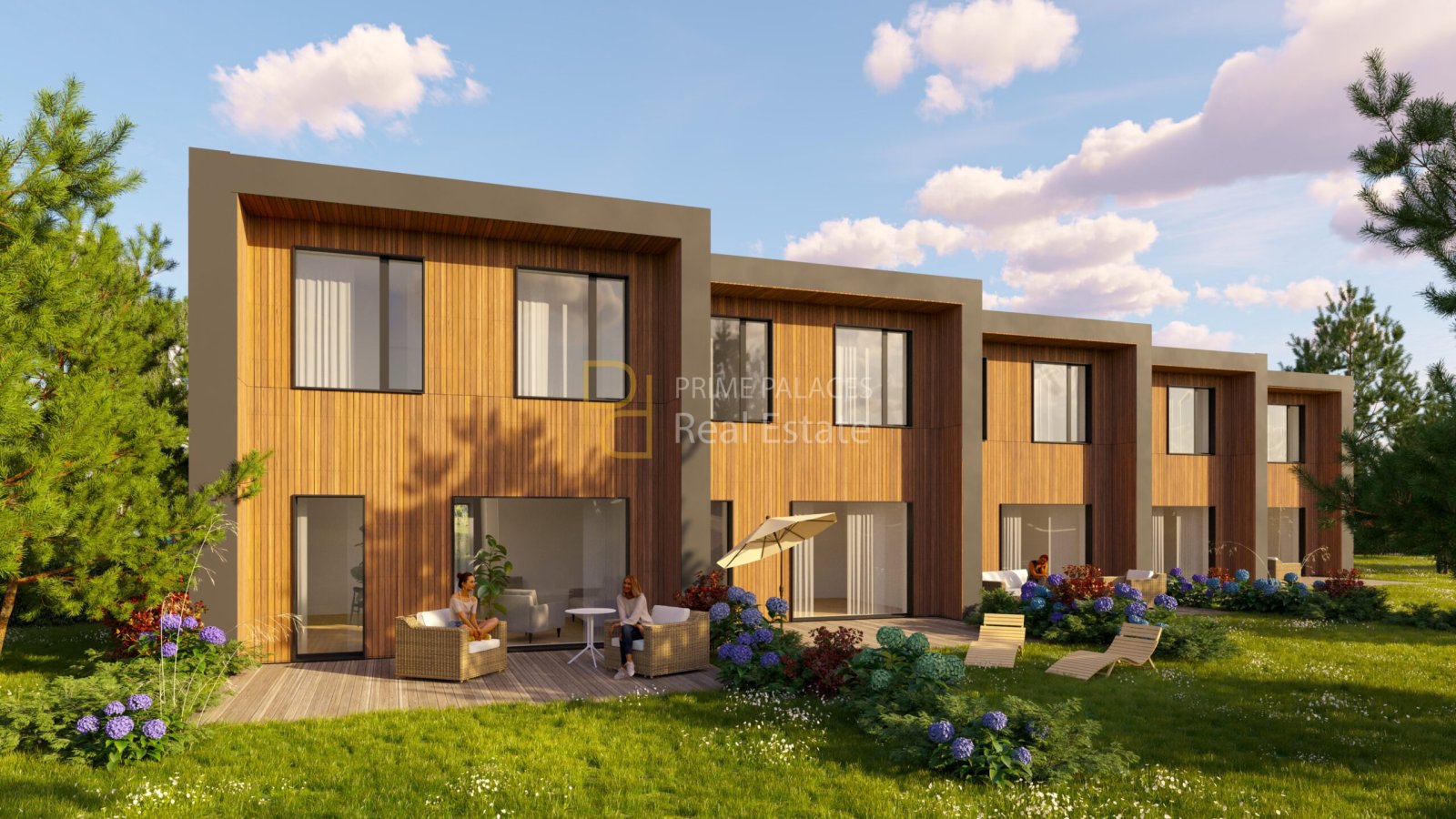
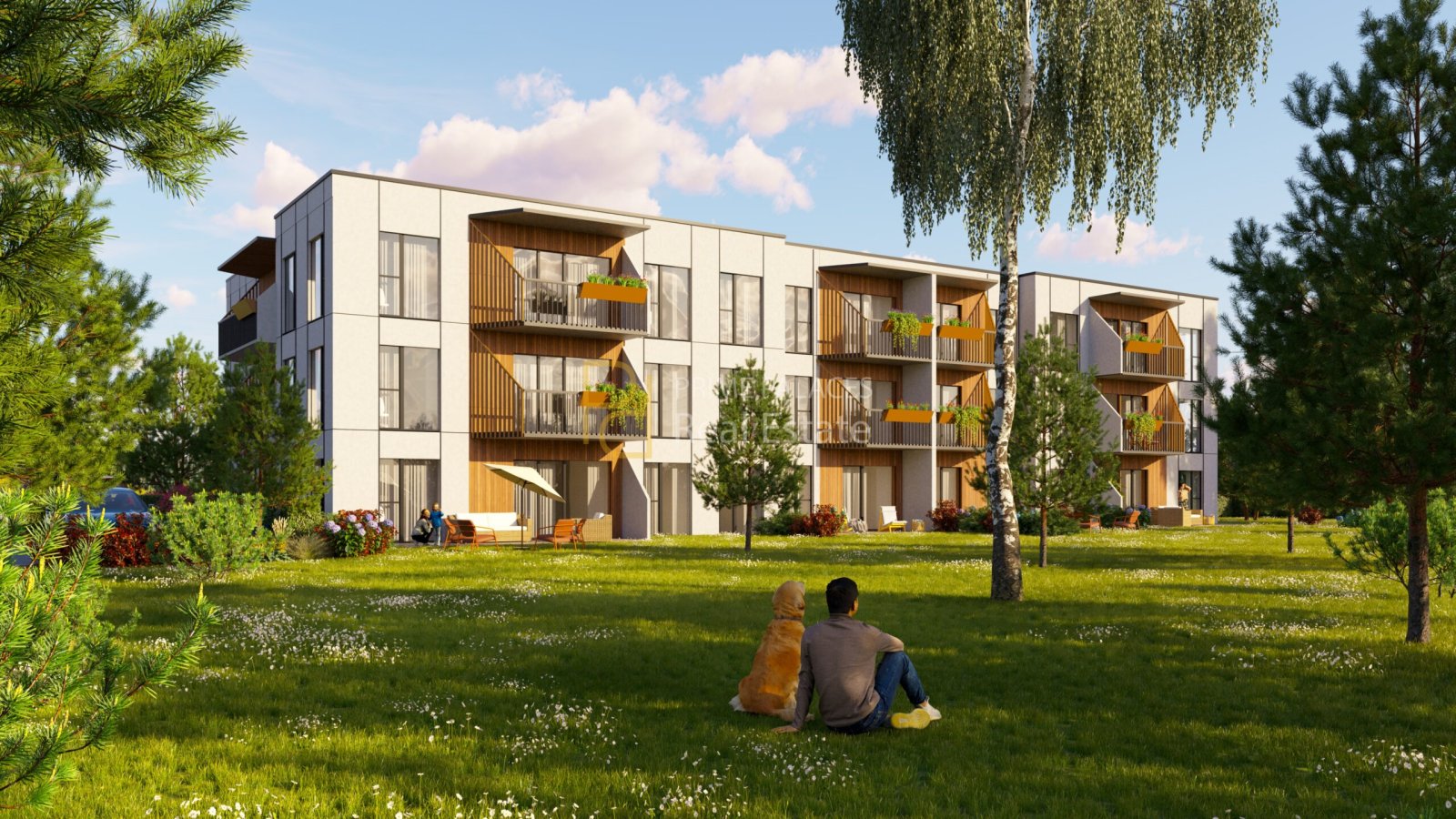
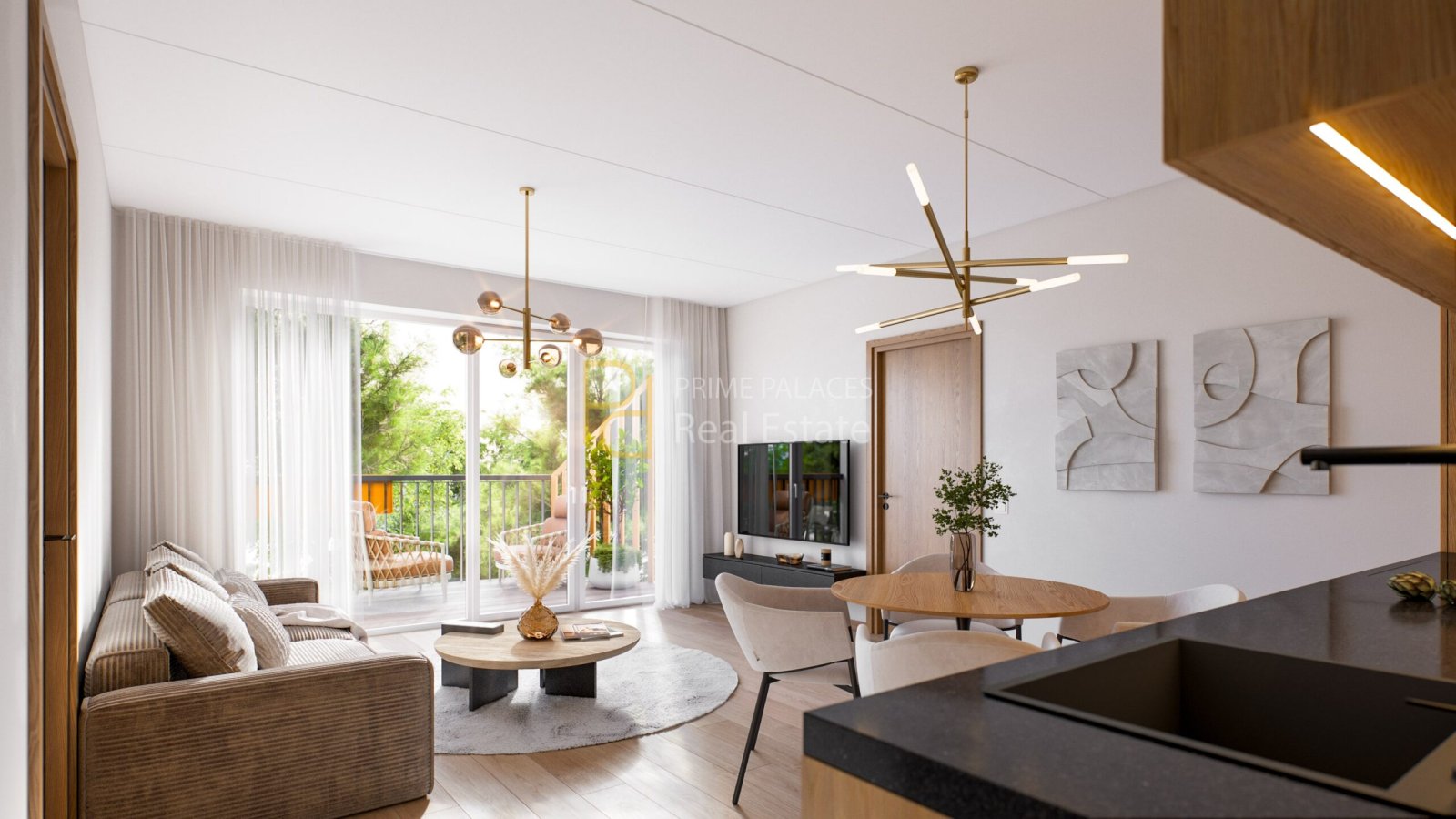
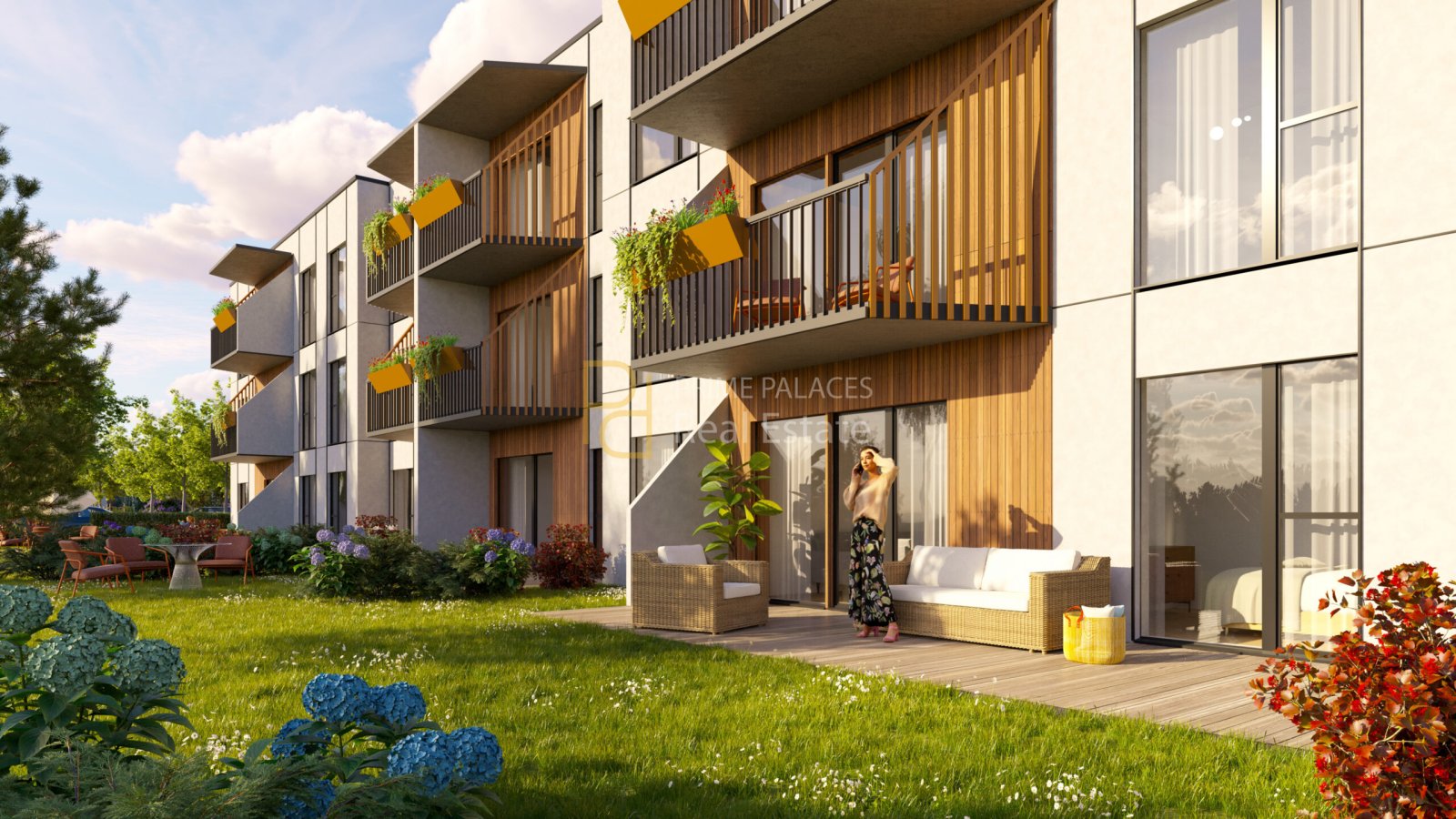
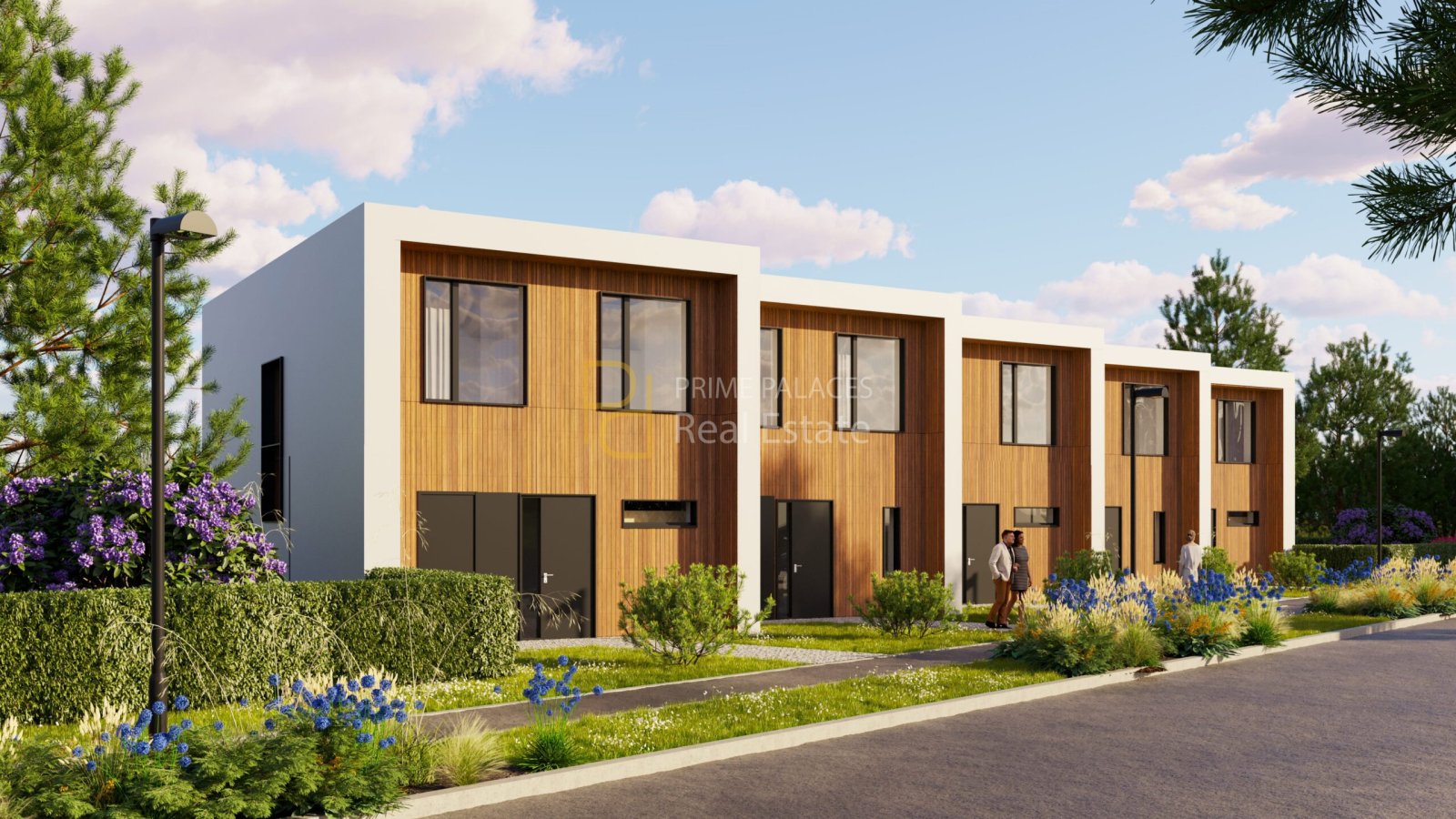
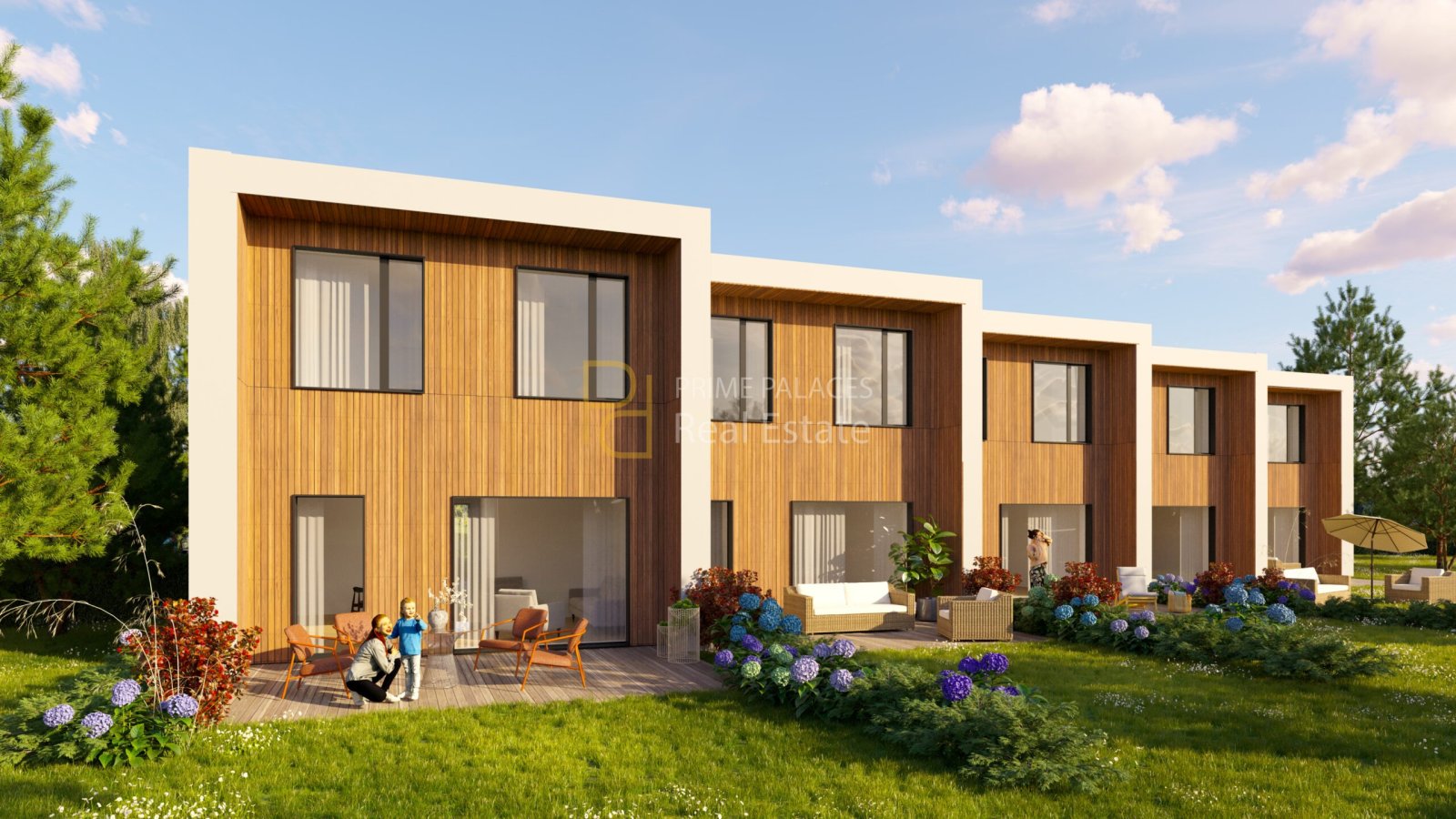
Loyiha kvartiralar va qator uylarni o'z ichiga oladi, bir xil rivojlanish ichida turli mulk egalik formatlarini taklif etadi. Qator uylar shaxsiy kirishlar va shaxsiy bog'lar bilan ishlab chiqilgan, bo'sh joy, maxfiylik va uzoq muddatli yashashni afzal ko'radigan oxirgi foydalanuvchilarni maqsad qiladi. Boshqa tomondan, kvartiralar kichik oilalar uchun mos keladigan, ammo balkonlar yoki teraslar orqali ochiq joylarga kirishni saqlab qoladigan, yanada ixcham va samarali rejalashtirilgan joylarni taqdim etadi. Ushbu ikki mahsulot tuzilishi loyiha xaridorlar profilini kengaytiradi va umumiy bozorni qabul qilishni yaxshilaydi.
Marupes Sirds ning asosiy dizayn elementi hududning ichki rejalashtirilishidir. Rivojlanish binolar o'rtasida avtomobilsiz zona atrofida tuzilgan bo'lib, nazorat qilingan va piyodalar uchun qulay muhit yaratadi. Bu Latviya shahar atrofidagi loyihalarda standart xususiyat emas va jamoaga yo'naltirilgan shahar rejalashtirishga qaratilgan maqsadni aks ettiradi. Reja xavfsizlik, transport ta'sirini kamaytirish va umumiy ochiq joy ga e'tibor qaratadi, bu esa oilaga yo'naltirilgan talab bilan kuchli bog'lanadi.
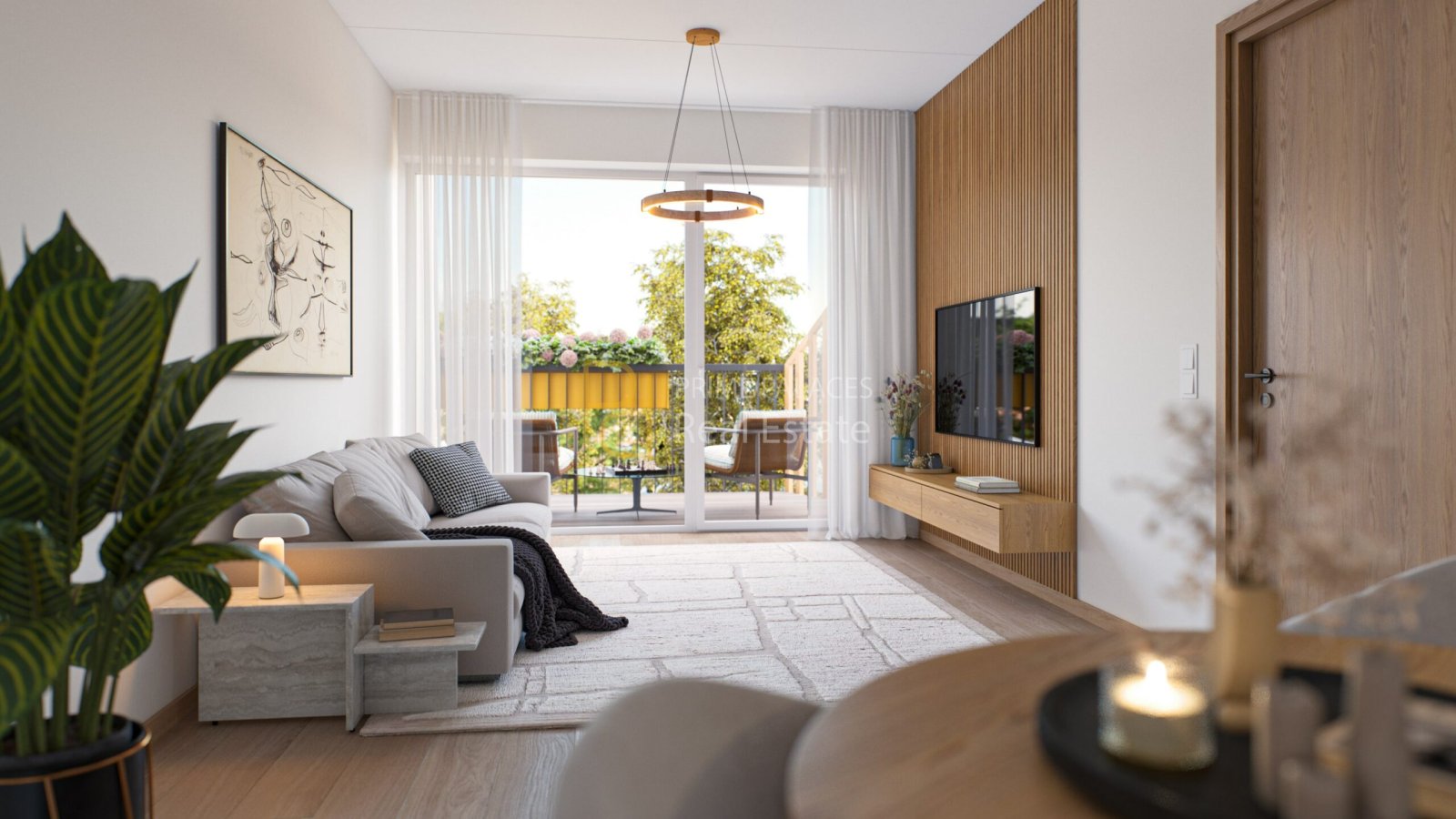
Har bir yashash birligi ochiq yashashni birlashtirish uchun mo'ljallangan, balkonlar, teraslar yoki shaxsiy bog'lar standart komponentlar sifatida kiritilgan. Bu Mārupe bozorida ayniqsa muhim, chunki talab bo'sh joy va turmush tarziga bog'liq, zich shahar muhitiga yaqinlikdan ko'ra. Loyiha shahar atrofidagi uy-joylar va strukturalangan yashash jamoalari o'rtasida joylashgan, ikkala tomonning afzalliklarini birlashtiradi.
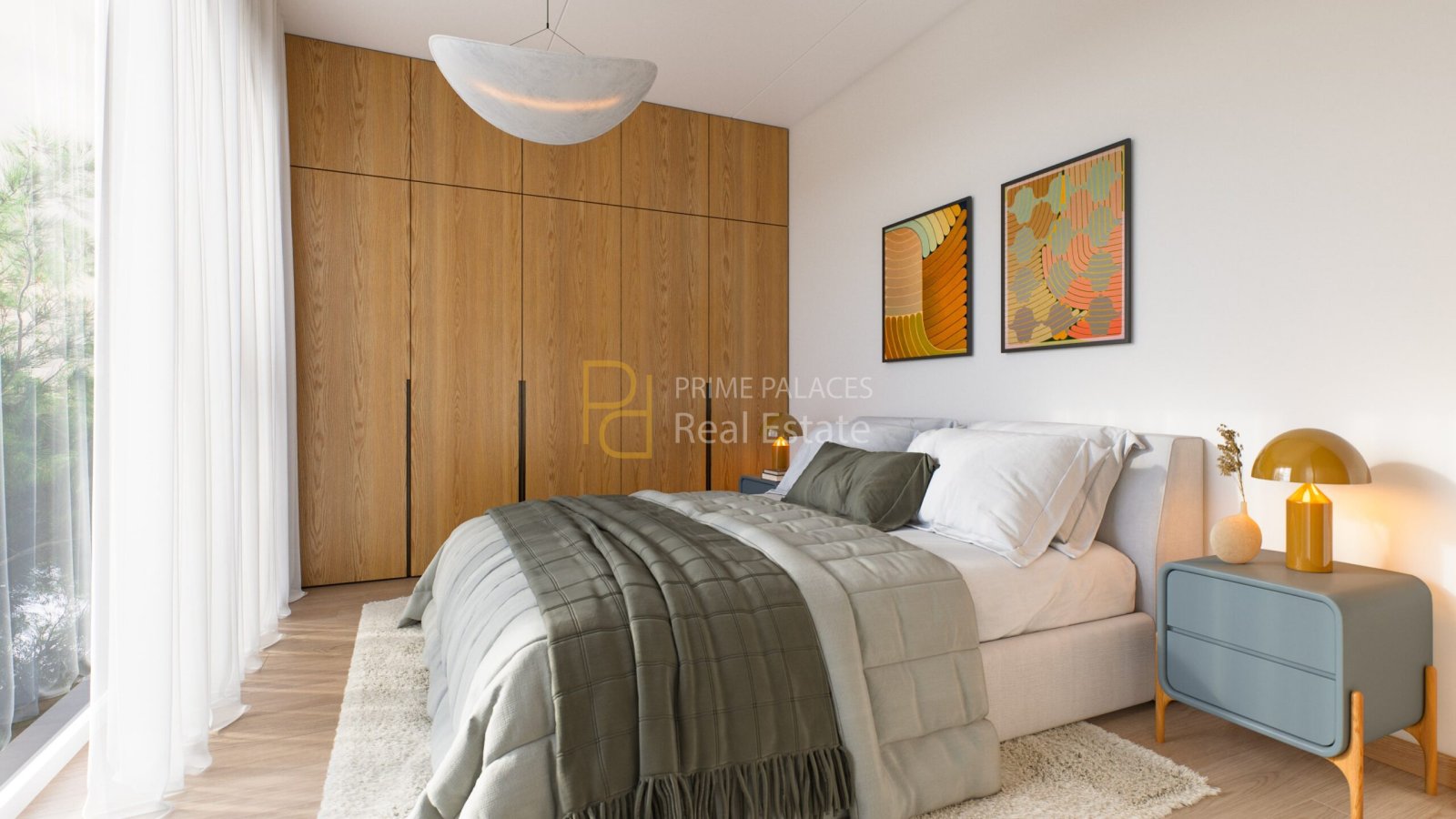
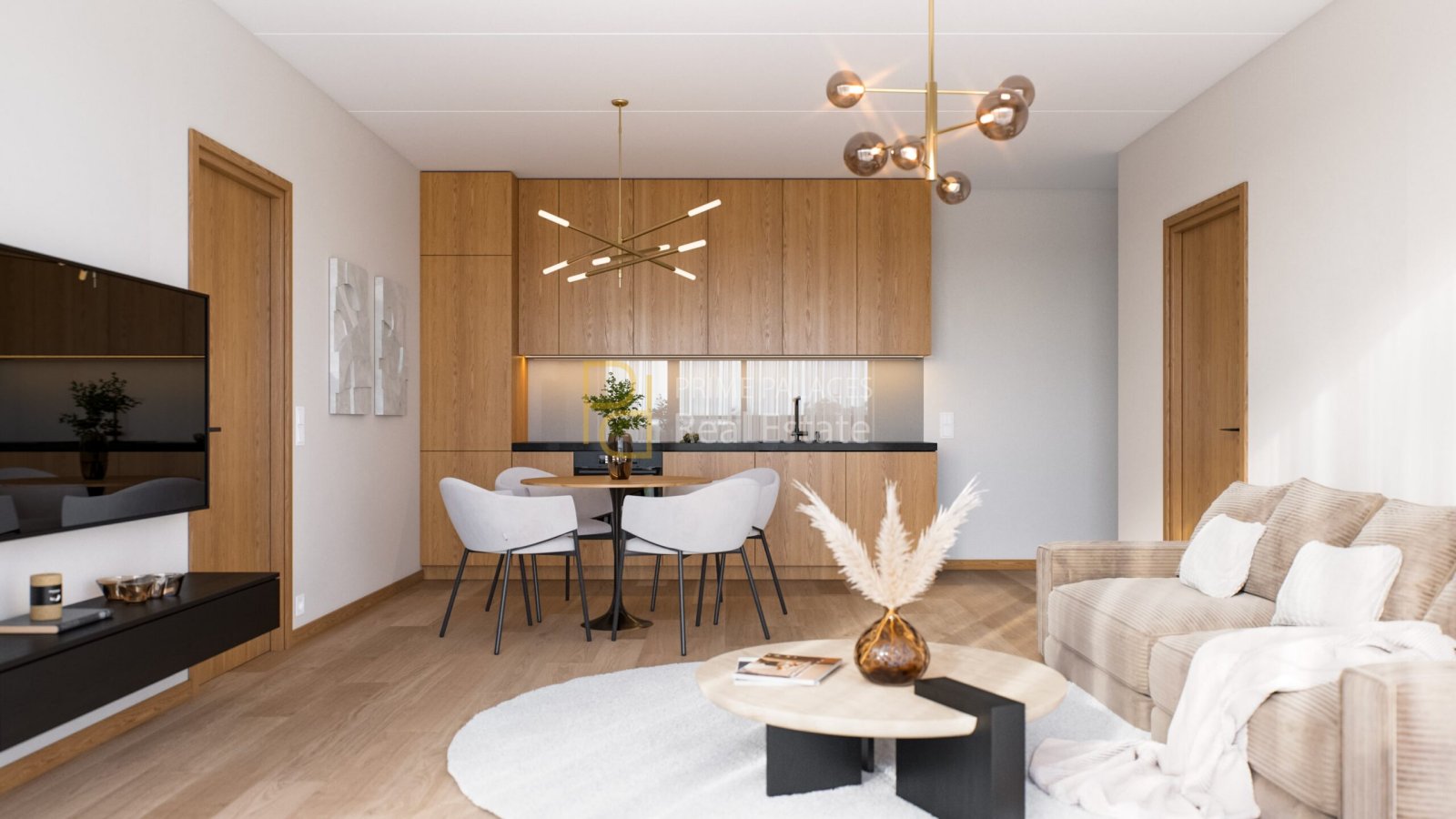
Qurilish nuqtai nazaridan, loyiha A energiya sinfi standartlariga muvofiq ishlab chiqilgan, bu energiyani tejash va uzoq muddatli operatsion xarajatlarni nazorat qilishga e'tibor qaratilganligini ko'rsatadi. Ichki spetsifikatsiya paketlari, jumladan “Yer,” “Quyosh,” va “O'rmon,” turli material va dizayn variantlarini taqdim etadi. Ushbu paketlar veneer yoki tabiiy parket pol, bo'yalgan yoki veneer eshiklar va to'liq jihozlangan hammomlar kabi xususiyatlarni o'z ichiga oladi, Villeroy & Boch va Gustavsberg kabi brendlar bilan.
Rivojlanish vaqt jadvali aniq tuzilgan. Savdolar 2025 yil yozida boshlandi, qurilish 2026 yilning birinchi choragida boshlanishi rejalashtirilgan va tugatish 2027 yilning ikkinchi choragida amalga oshirilishi rejalashtirilgan. Ushbu vaqt jadvali loyihani Rīga metropolitan bozoriga yangi yashash ta'minoti kirishi davriga joylashtiradi.
Joylashuv jihatidan, Marupes Sirds muhim infratuzilma tugunlariga yaqinlikdan foyda ko'radi. Rīga Xalqaro Aeroporti qisqa haydash masofasida joylashgan, shuningdek shahar markazi taxminan 20 daqiqa ichida erishish mumkin. Kundalik foydalanish infratuzilmasi, jumladan maktablar, sport inshootlari, do'konlar va parklar, yaqin joyda joylashgan bo'lib, uzoq muddatli yashash uchun qulayliklar taqdim etadi, qisqa muddatli yashashdan ko'ra.
Investitsiya nuqtai nazaridan, Marupes Sirds yuqori daromadli ijaraga berish aktivlari emas, balki turmush tarziga yo'naltirilgan shahar atrofidagi rivojlanish sifatida tasniflanishi kerak. Qator uylar, shaxsiy bog'lar va past zichlikdagi rejalashtirish oxirgi foydalanuvchilarga, ayniqsa oilalarga yo'naltirilgan asosiy e'tiborni ko'rsatadi. Biroq, strukturalangan master-reja yondashuvi va loyihaning o'lchami kichik shahar atrofidagi rivojlanishlarda ko'pincha yo'q bo'lgan tartib va bashorat darajasini taqdim etadi.
Loyihadagi mulklar Latviyaning investitsiya orqali yashash tizimiga tegishli bo'lishi mumkin, bu esa birlik qiymati va kadastrga muvofiqlikka bog'liq, ayniqsa €250,000 chegarasi atrofida. Biroq, moslik avtomatik emas va tanlangan birlik asosida alohida baholanishi kerak.
Umuman olganda, Marupes Sirds Rīga mintaqasida rejalashtirilgan shahar atrofidagi hududlarga o'tishni ifodalaydi, yashash turlarini, nazorat qilingan infratuzilmani va uzoq muddatli yashash qulayligini birlashtiradi. Loyiha bo'sh joy, barqarorlik va jamoa tuzilishini afzal ko'radigan xaridorlar uchun joylashtirilgan, qisqa muddatli ijaraga berish samaradorligi yoki spekulyativ qiymat oshishidan ko'ra.