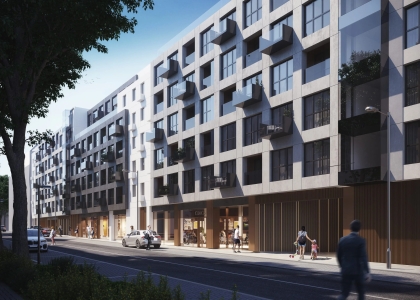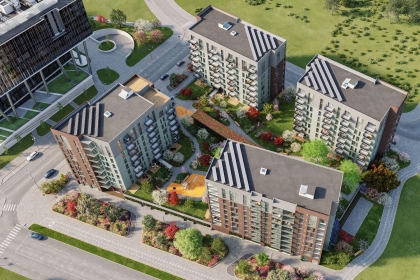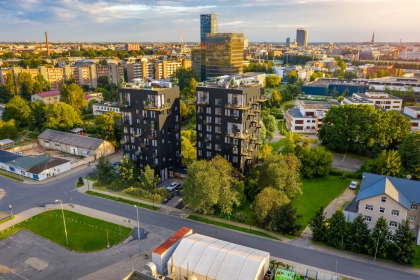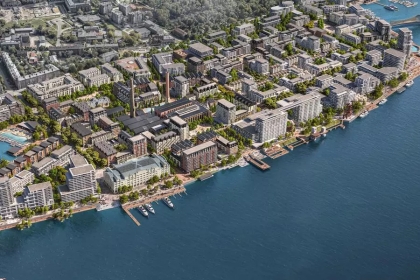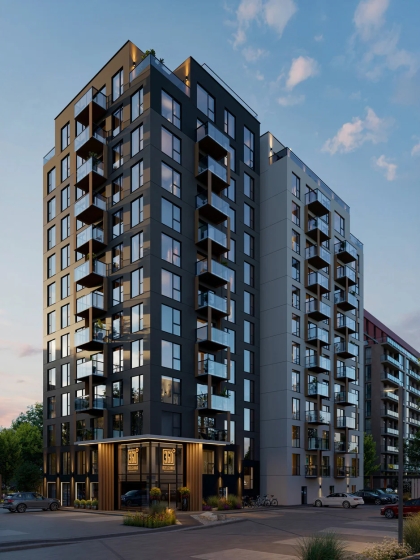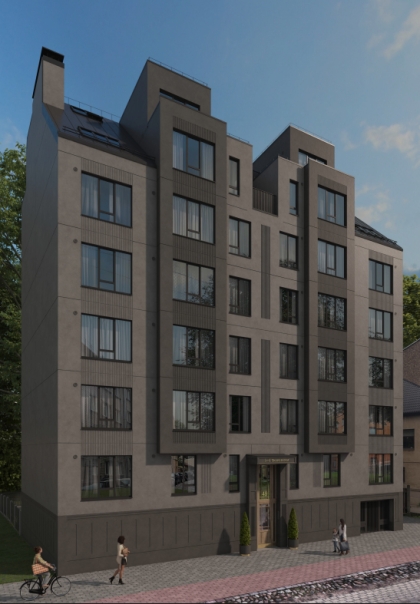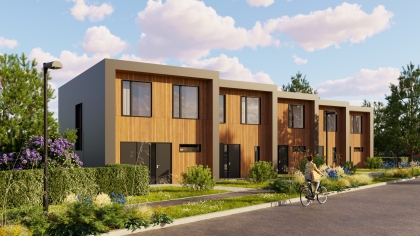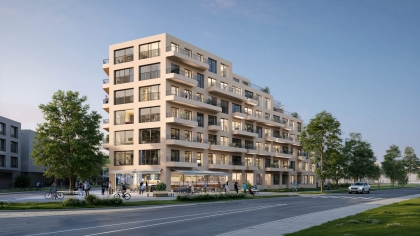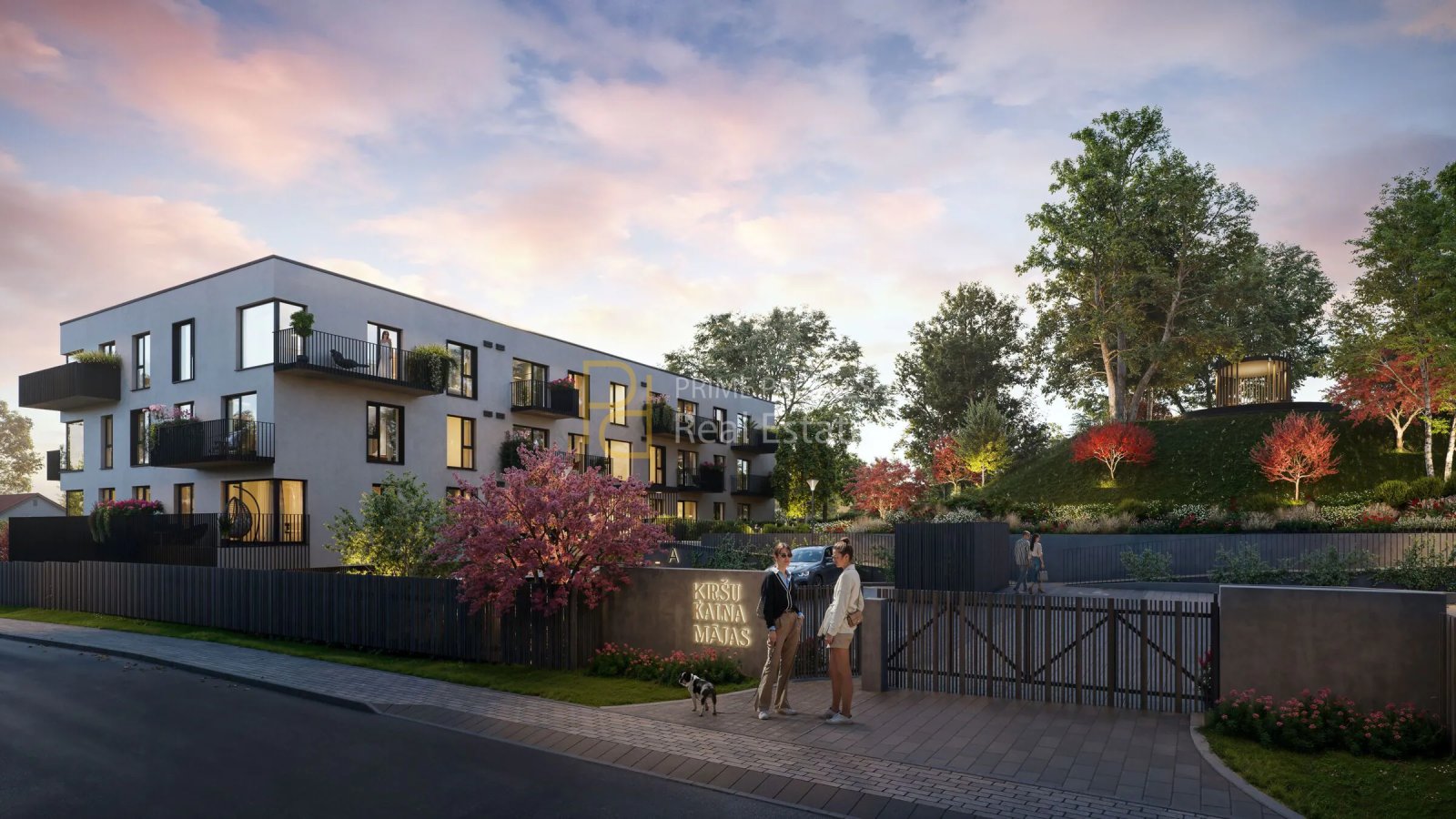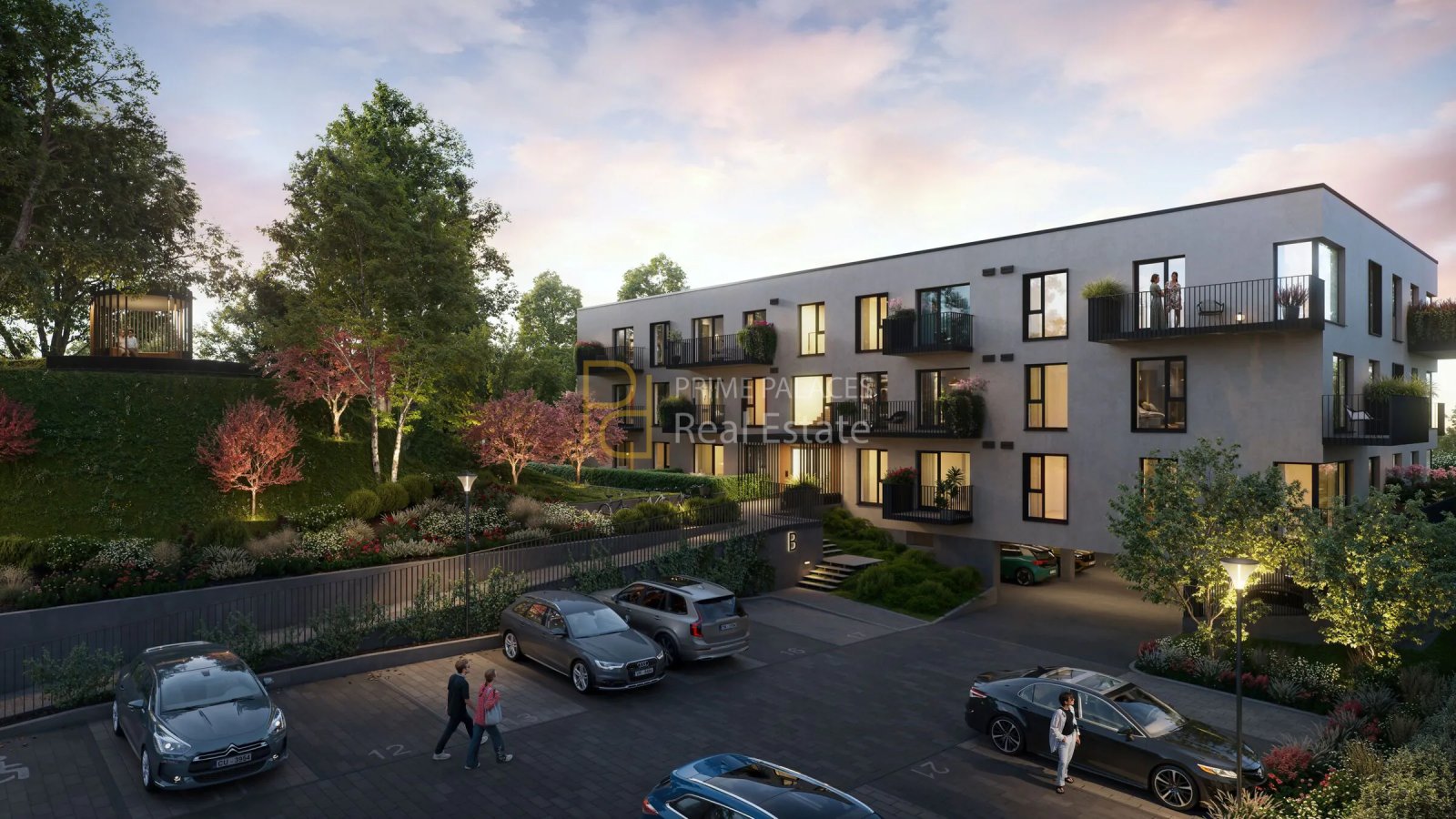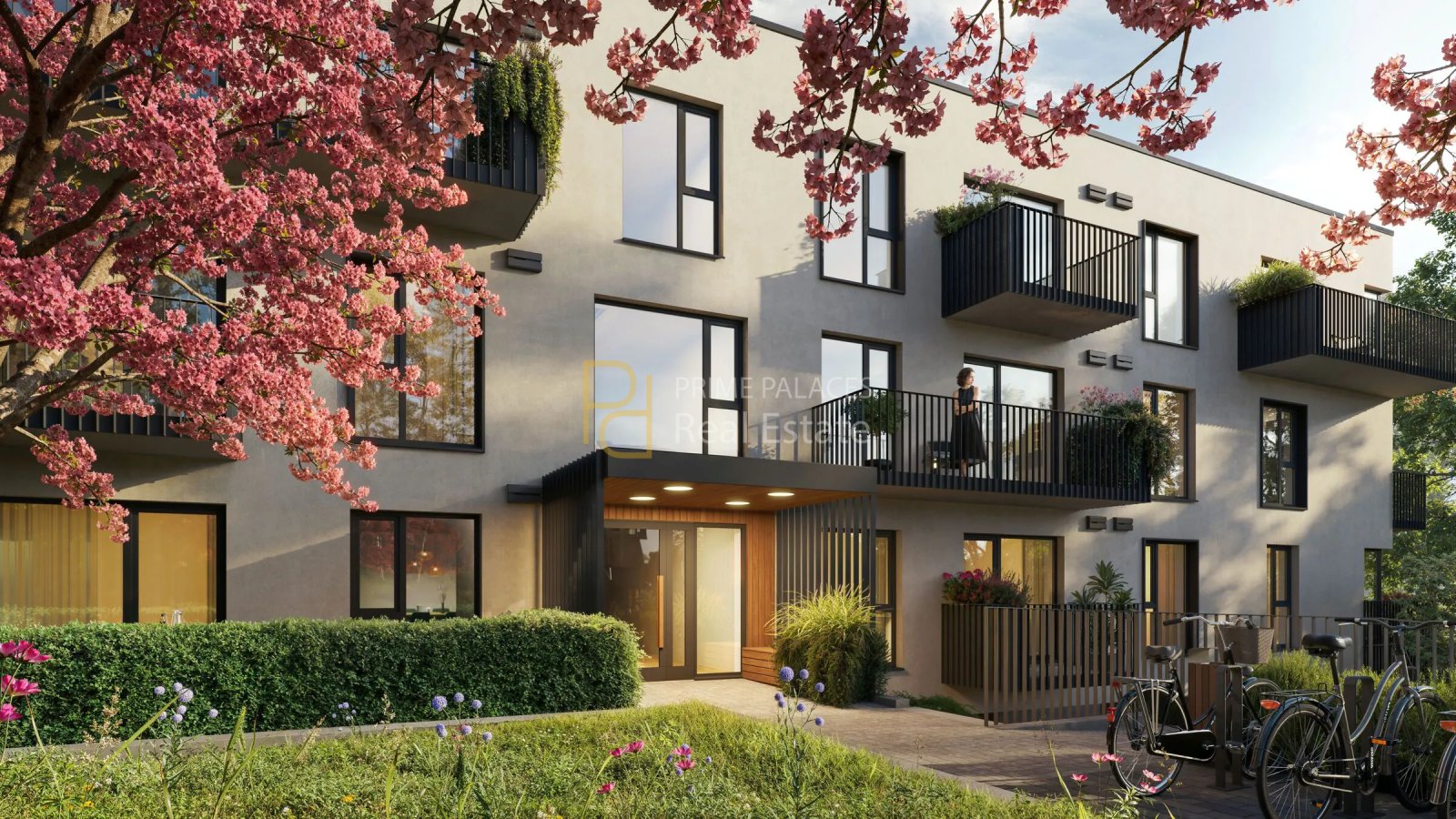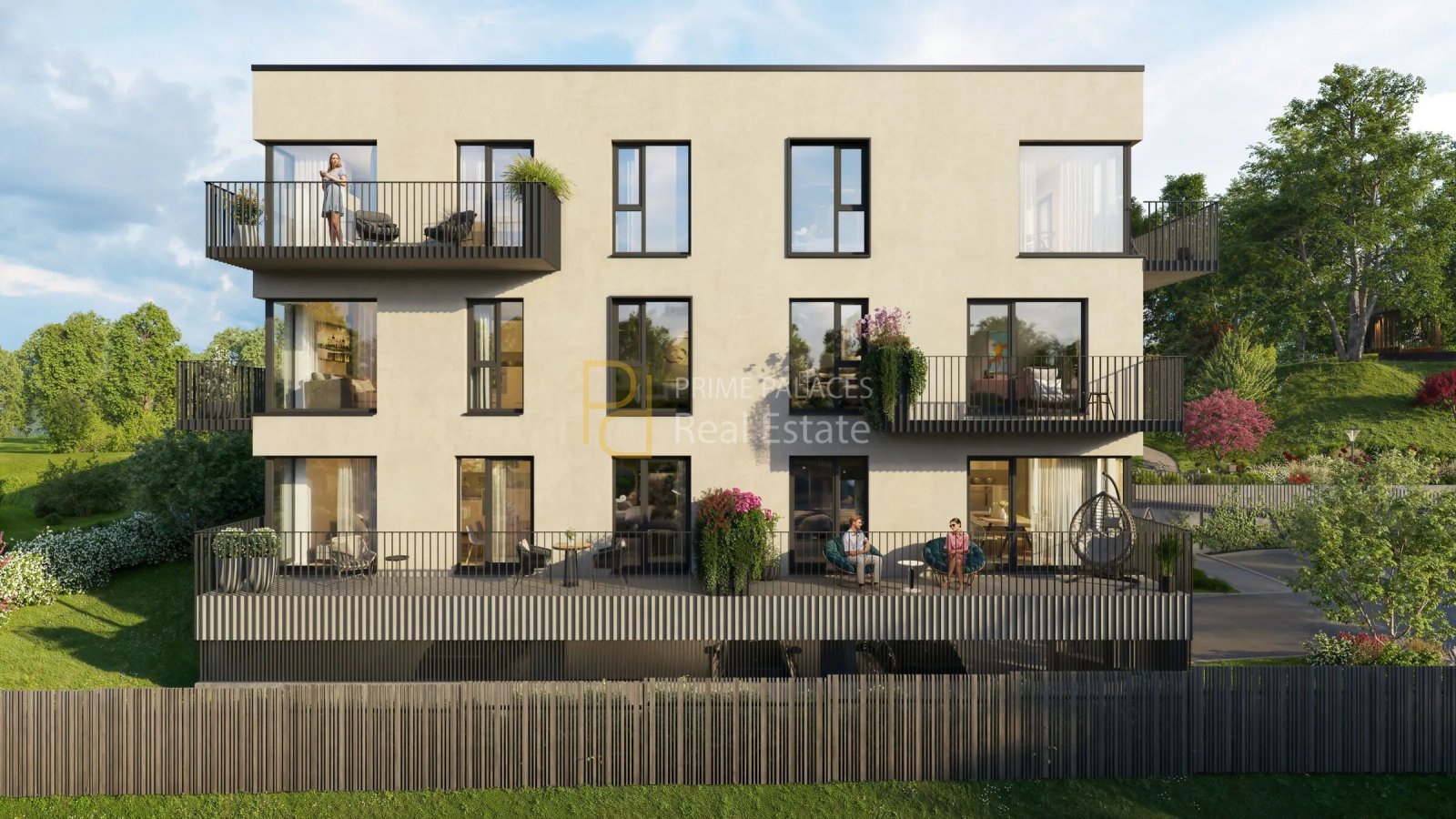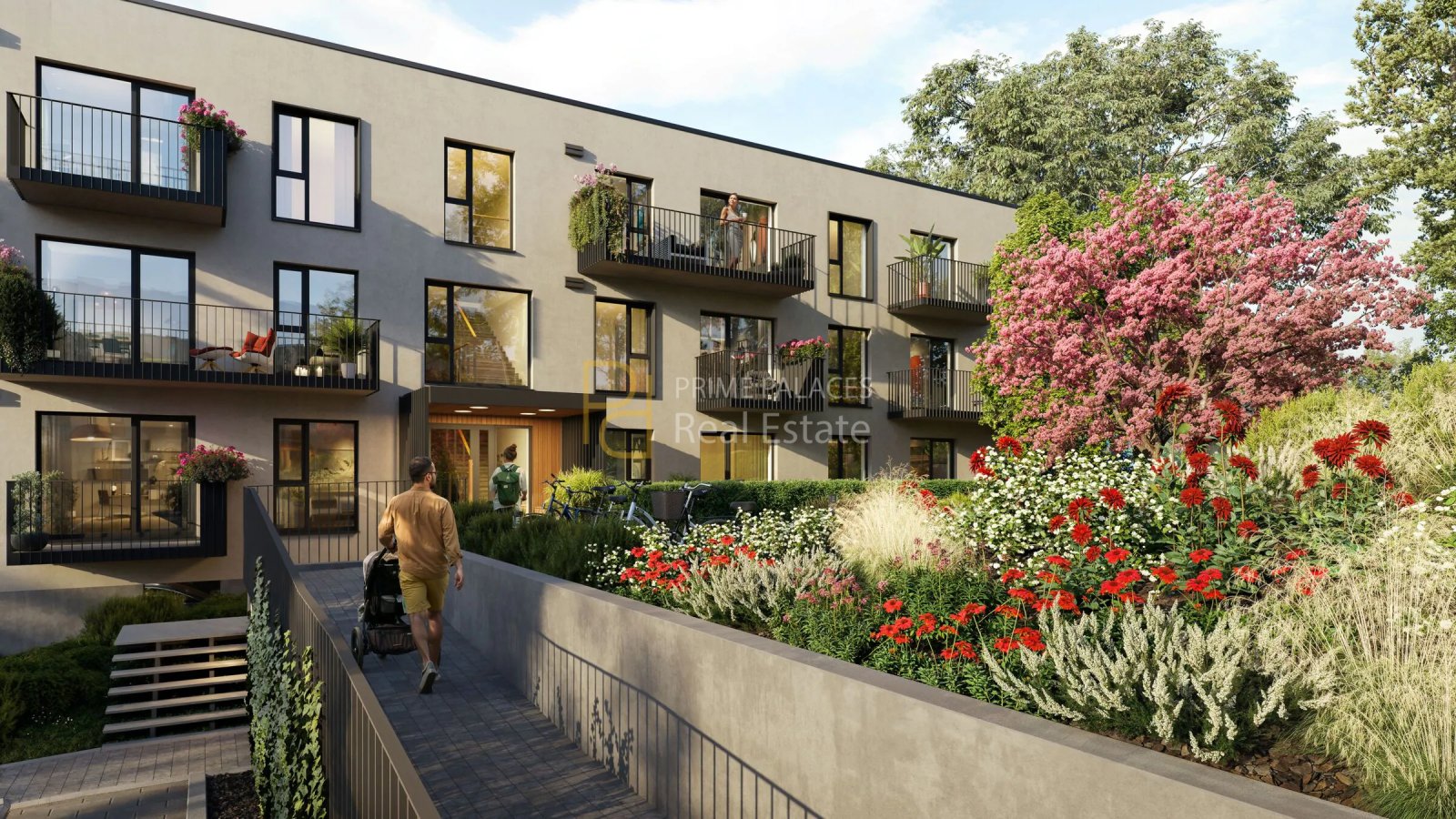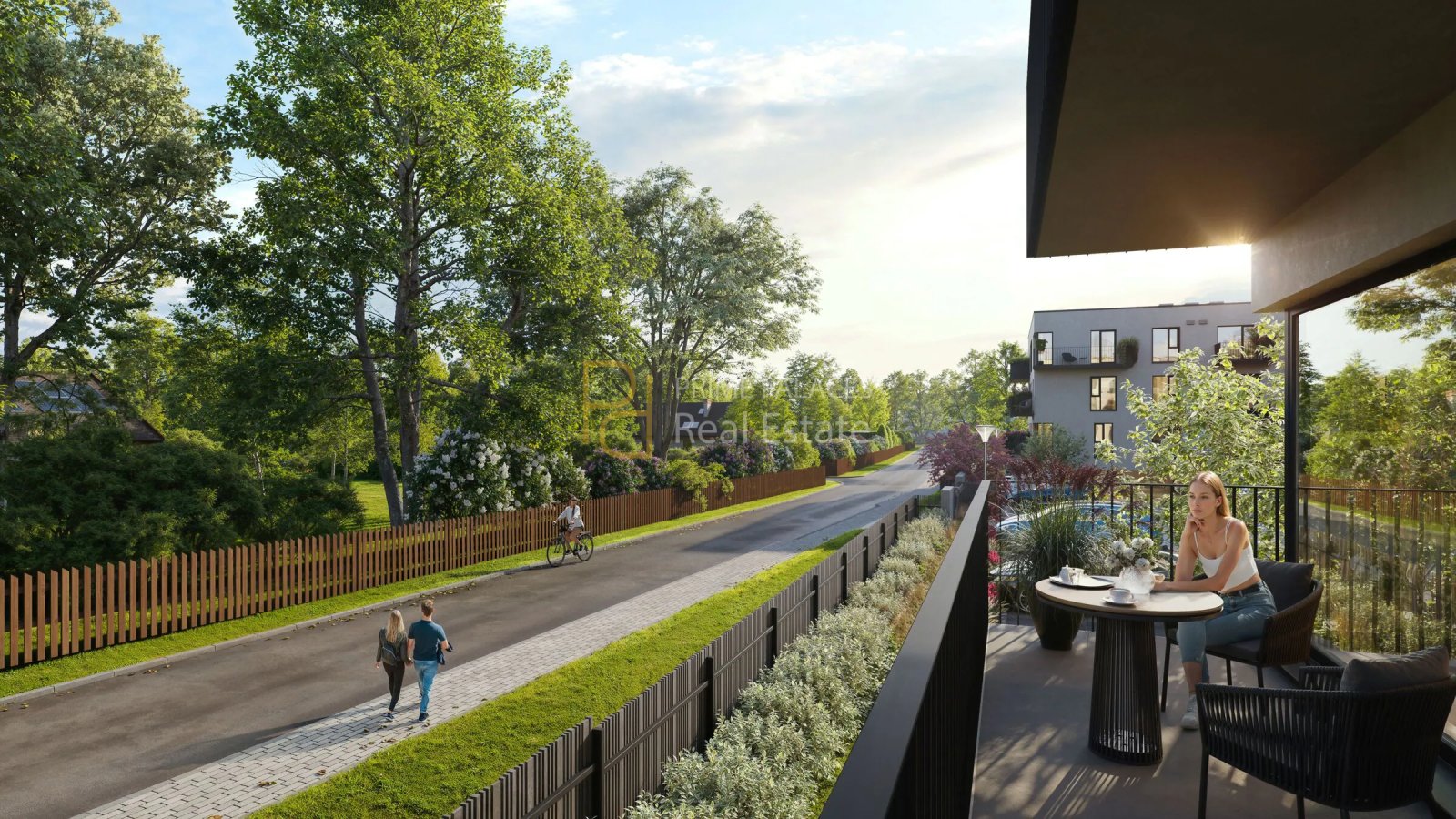




Ķiršu Kalna Mājas is a low-density residential development located on Eiženijas iela 18 in the Dzirciems district of Riga. The project is designed as a compact, two-building residential complex comprising 54 apartments, positioned within an established neighborhood characterized by private housing, greenery, and a calm residential atmosphere. Unlike large-scale urban developments, the project is structured to integrate into its surroundings rather than redefine them, targeting buyers who prioritize quiet living conditions and environmental quality.
The development is led by Hepsor, a developer known for focusing on energy-efficient residential projects across the Baltic region. This positioning is reflected in the project’s A+ energy class specification, which indicates a focus on long-term operational efficiency and controlled utility costs. The technical approach emphasizes sustainable construction materials and energy-efficient systems rather than high-end luxury features, aligning the project with practical, long-term residential use.
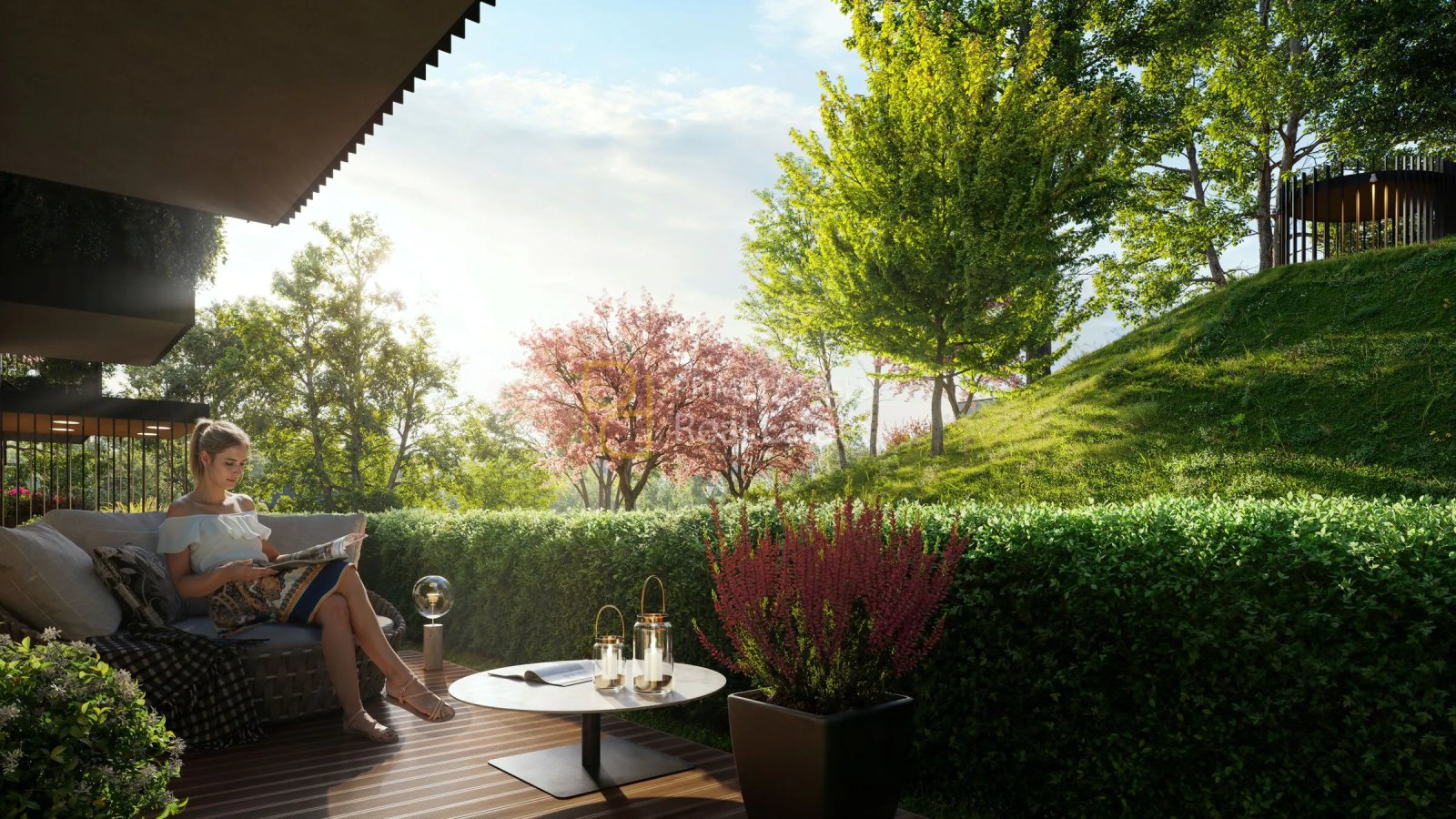
The project consists of apartments with 2 to 4 rooms, corresponding to one- to three-bedroom layouts. These units are designed to maximize usability and natural light, with both east- and west-facing orientations available. This allows residents to select units based on sunlight preference, which is a relevant factor in northern European climates. Apartments include outdoor extensions such as terraces and balconies, with integrated flower boxes that reinforce the connection between indoor and outdoor living.
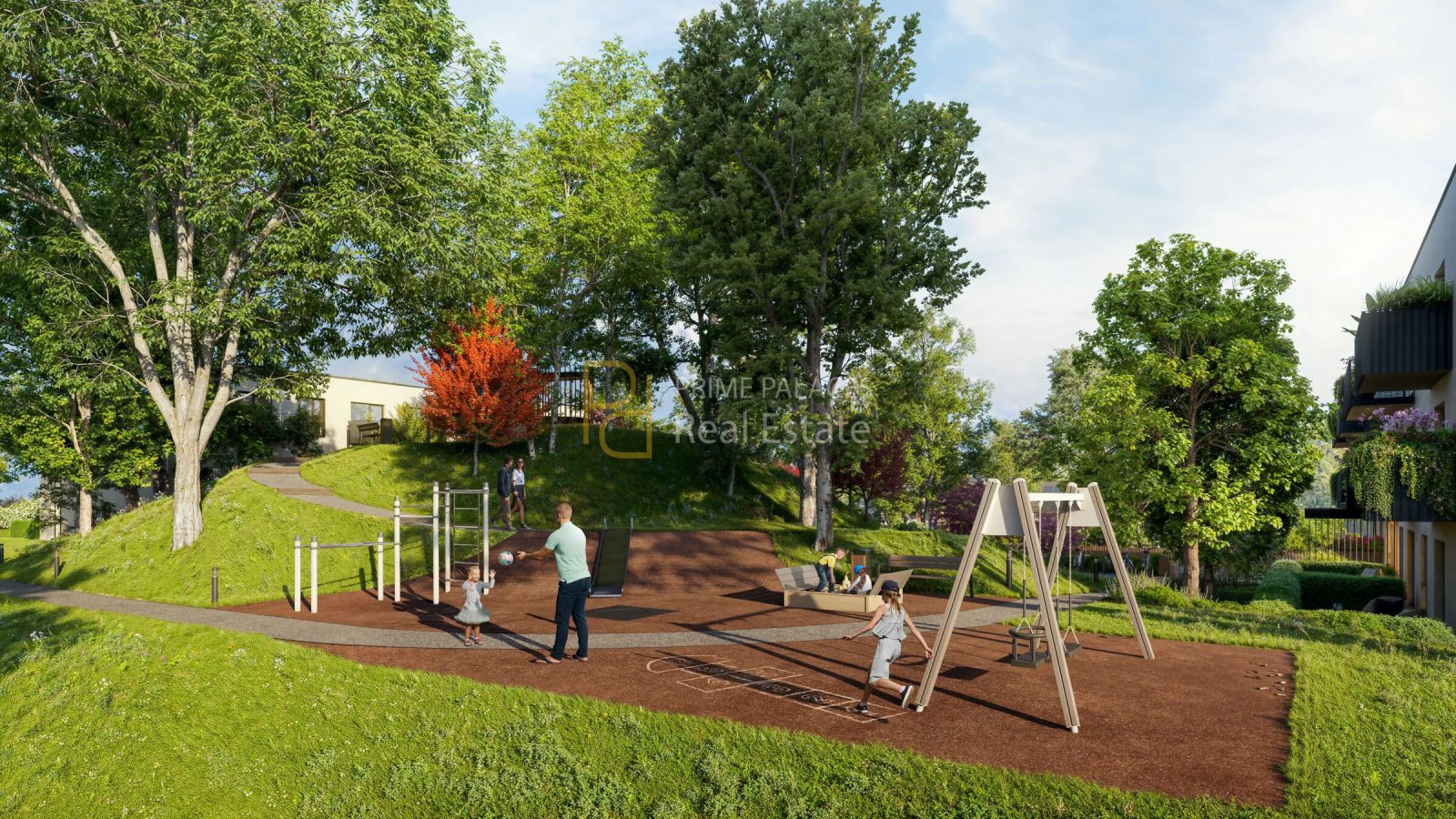
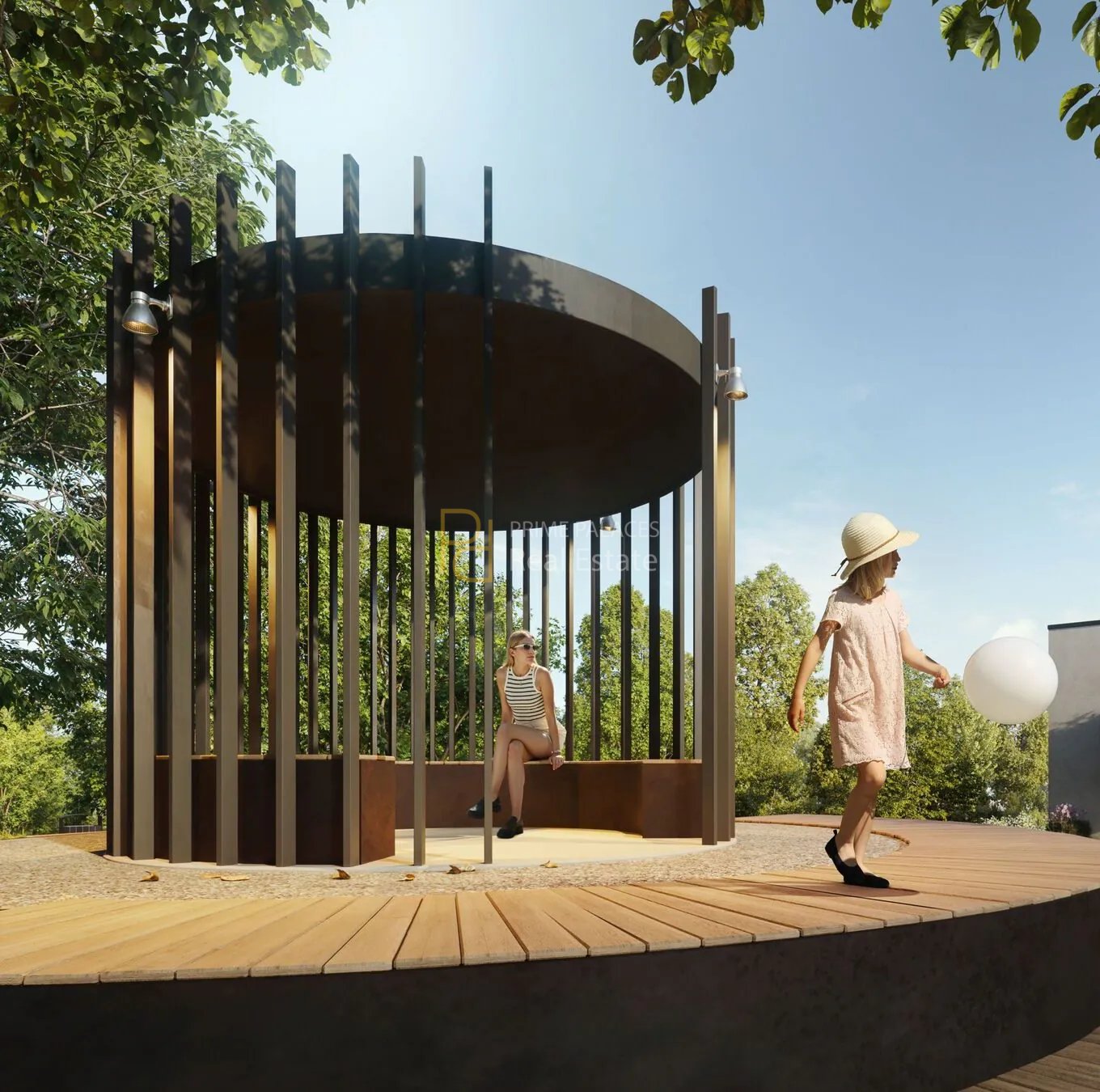
A defining feature of Ķiršu Kalna Mājas is its internal courtyard concept. The development incorporates an existing landscaped hill into the design, transforming it into a central green space with a dedicated relaxation area and meditation platform. This is combined with a closed and controlled territory, ensuring a secure environment for residents. The courtyard includes a children’s playground and pedestrian paths, creating a structured outdoor environment that supports daily use rather than purely aesthetic landscaping.
From an infrastructure perspective, the project includes underground parking as well as additional outdoor parking options. Dedicated storage areas for bicycles and strollers are integrated into the development, alongside bicycle stands within the territory. Waste sorting facilities are also included, reflecting a broader sustainability-oriented approach consistent with the developer’s positioning.
Interior design within the project is organized around three distinct finish collections: Morning Dew, Evening Shadow, and Cherry Blossom. These collections provide variation in materials and color schemes while maintaining a consistent design language focused on natural tones and balanced aesthetics. This structured approach allows for differentiation between units without compromising overall coherence.
The location of Ķiršu Kalna Mājas supports its positioning as a residential-focused development. Dzirciems offers access to schools, kindergartens, sports facilities, and public transport connections, ensuring functional daily living. At the same time, the project maintains distance from high-density urban zones, reinforcing its appeal to families and long-term residents. Key destinations such as Old Riga, Riga International Airport, and Jūrmala remain accessible within reasonable travel times, providing connectivity without compromising the area’s residential character.
The development timeline is clearly defined. Construction is scheduled to begin at the beginning of 2026, with completion planned for summer 2027. This places the project within Riga’s current development cycle and aligns delivery with ongoing demand for energy-efficient residential housing.
From an investment perspective, Ķiršu Kalna Mājas should be classified as a low-density, stability-oriented residential asset. Its scale, location, and design indicate a focus on end-users rather than short-term rental demand. The project’s value is derived from environmental quality, energy efficiency, and controlled supply rather than central positioning or speculative growth. It is therefore most suitable for buyers seeking long-term usability and predictable residential demand within Riga’s mid-market segment.
Properties within Ķiršu Kalna Mājas may be relevant in the context of Latvia’s real estate-based residence framework, particularly around the €250,000 threshold. However, eligibility is not determined by the project itself but by the specific unit. Factors such as transaction value, cadastral valuation, and compliance with legal requirements must be assessed on a case-by-case basis. Not all apartments within the development will qualify, and buyers should evaluate eligibility individually before proceeding.