





Абу-Дабидің жылжымайтын мүлік нарығын туризм қалай қозғайды
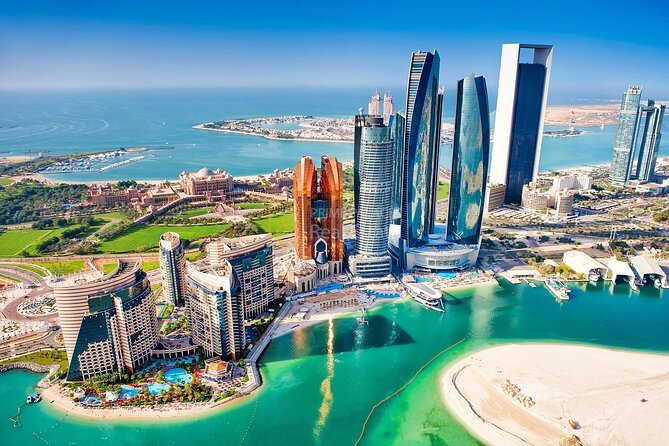
Абу-Даби жаһандық туристік бағыт ретінде өз позициясын тез нығайтуда.
Эмират енді тек БАӘ-нің саяси және экономикалық астанасы ретінде танылмайды. Ол мәдениет, ойын-сауық, ірі шаралар, люкс қонақжайлылық және отбасылық туризмнің халықаралық орталығына айналуда.
Бұл трансформация жылжымайтын мүлік нарысына да әсер етуде.
Саяхатшылардың саны артып, жаңа attractions ашылып, халықаралық байланыс жақсарған сайын, қонақ үйлерге, брендтік резиденцияларға, демалыс үйлеріне, жалға берілетін пәтерлерге және ірі туристік бағыттарға жақын орналасқан тұрғын үйлерге сұраныс артуда.
Бұл нұсқаулықта біз туризмнің Абу-Дабидің жылжымайтын мүлік нарығын қалай қозғайтынын және эмираттың ұзақ мерзімді келушілерінің өсуінен ең көп пайда көретін аймақтарды түсіндіреміз.
Маңызды ескерту
Туризмнің өсуі жылжымайтын мүлік бағасының көтерілуін немесе жалға алу кірістерін қамтамасыз етпейді. Жылжымайтын мүліктің тиімділігі ұсыныс, орналасу, сатып алу бағасы, қызмет көрсету ақысы, қоғамның сапасы және кеңірек экономикалық жағдайларға да байланысты. Сатып алушылар инвестиция жасаудан бұрын тәуелсіз заңдық және қаржылық тексеру жүргізуі тиіс.
Абу-Даби туризмі рекордтық деңгейге жетуде
Абу-Дабидің туризм секторы 2025 жылы ең күшті көрсеткіштеріне жетті.
Эмират жыл бойы 26,6 миллион туристі қабылдады. Олардың ішінде 5,9 миллион қонақ үй қонағы болды, ал жалпы қонақ үй табысы 9,1 миллиард дирхамға жетті.
Қонақ үй табысы 19,5%-ға артты, ал орташа тәуліктік бөлме бағасы шамамен 19%-ға, яғни 591 дирхамға көтерілді.
Бұл көрсеткіштер Абу-Дабидің тек көбірек туристерді тартумен ғана емес, сонымен қатар қонақжайлылық, тұрғын үй және туристік тәжірибелер бойынша күшті шығындарды да арттырып жатқанын көрсетеді.
Жылжымайтын мүлік нарығы үшін тұрақты туризмнің өсуі бірнеше секторларда сұраныс тудыруы мүмкін
Қонақ үйлер мен курорттар
Брендтік резиденциялар
Қысқа мерзімді тұрғын үй
Су жағасындағы пәтерлер
Дүкендер мен мейрамхана жылжымайтын мүлігі
Қызметкерлерге арналған тұрғын үй
Ұзақ мерзімді тұрғын үй жалға беру
Екінші үйлер
Абу-Даби жыл бойы бағыт ретінде орнықты болған сайын, туризм мен жылжымайтын мүлікке сұраныс арасындағы байланыс күшейе түседі.
2030 жылға арналған туризм стратегиясы ұзақ мерзімді сұраныс тудырып жатыр
Абу-Дабидің туризм кеңеюі тек қысқа мерзімді келушілердің өсуіне негізделмеген.
2030 жылға арналған Туризм стратегиясы жыл сайынғы келушілер санын 39,3 миллионға арттыру, туризмнің экономикалық үлесін 90 миллиард дирхамға көтеру және шамамен 178,000 жұмыс орнын қолдау бойынша ұзақ мерзімді мақсаттар қойды.
Бұл жылжымайтын мүлік инвесторлары үшін маңызды, өйткені туризм тек қонақ үй сұранысын ғана емес, одан да көп нәрсені тудырады.
Кеңейтілген келушілер экономикасы қажет
Қонақжайлылық қызметкерлері
Туризм мамандары
Дүкен қызметкерлері
Шара ұйымдастырушылары
Көлік қызметтері
Ойын-сауық операторлары
Мейрамхана және демалыс қызметкерлері
Басқару және бизнес қолдау топтары
Жұмыс орындары көбейген сайын, әртүрлі баға сегменттерінде тұрғын үйге сұраныс артуы мүмкін.
Сондықтан туризм уақытша тұрғын үй мен ұзақ мерзімді тұрғын үй сұранысын қолдайды.
Зайед халықаралық әуежайы Абу-Дабидің қолжетімділігін арттыруда
Халықаралық байланыс табысты туризм мен жылжымайтын мүлік нарығының ең маңызды негіздерінің бірі болып табылады.
Абу-Даби әуежайлары 2025 жылдың бірінші жартысында 15,8 миллионнан астам жолаушыны қабылдады. Зайед халықаралық әуежайы осы жолаушылардың 15,5 миллионын құрап, жылдық өсім 13,2%-ды көрсетті.
Әуежайдың заманауи терминалы жылына 45 миллион жолаушыны қабылдай алады, бұл Абу-Дабидің келушілер мен әуе компанияларының өсуін қолдауға мүмкіндік береді.
Жақсартылған байланыс жылжымайтын мүлікке сұранысқа әсер етуі мүмкін
Абу-Дабиді жету оңай ету
Халықаралық бизнес сапарларын қолдау
Екінші үй иелігін ынталандыру
Тоқтау туризмін арттыру
Шетелдік инвесторларды тарту
Ірі шаралар мен көрмелерді қолдау
Халықаралық тұрғындарға қолжетімділікті жақсарту
Әуежайға, Яс аралына және ірі жұмыс орталықтарына ыңғайлы қолжетімділігі бар қауымдастықтар бұл өсімнен пайда көруі мүмкін.
Туристер болашақ жылжымайтын мүлік сатып алушыларына айналуы мүмкін
Туризм инвестордың қалаға қатынасының алғашқы кезеңі болып табылады.
Саяхатшылар бастапқыда Абу-Дабиге келуі мүмкін
Демалыс
Мәдени шара
Формула 1
Бизнес конференциясы
Отбасылық attraction
Спорттық шара
Тоқтау
Қаланың инфрақұрылымын, қауіпсіздігін, өмір салтын және тұрғын үй қауымдастықтарын көргеннен кейін, кейбір туристер жылжымайтын мүлік сатып алушылар, бизнес иелері немесе ұзақ мерзімді тұрғындар ретінде оралу туралы ойлана алады.
Бұл жылжымайтын мүлік нарығы үшін маңызды құбырды қалыптастырады.
Абу-Дабидің халықаралық көрінуі артқан сайын, болашақ сатып алушылардың әлеуетті аудиториясы да кеңейе түседі.
Яс аралы - ең айқын мысалдардың бірі
Яс аралы туризм мен тұрғын үй жылжымайтын мүлігінің бір-бірін қолдайтынын көрсетеді.
Арал ірі attractions, қонақ үйлер, мейрамханалар, ойын-сауық орындары, дүкендер мен тұрғын үй қауымдастықтарын бір шебер жоспарланған бағытта біріктіреді.
Оның attractions-ы мыналарды қамтиды
Ferrari World Abu Dhabi
Warner Bros. World Abu Dhabi
SeaWorld Yas Island
Yas Waterworld
Yas Marina Circuit
Yas Mall
Etihad Arena
Yas Bay Waterfront
Яс аралы мен Саадият аралы 2024 және 2025 жылдары жаңа attractions және кеңейтілген демалыс тәжірибелерімен қолдау тапқан күшті келушілер өсімін көрсетті.
2025 жылы Yas Waterworld-тың кеңеюі 20-дан астам жаңа аттракцион, сырғанақ және тәжірибені қосып, аттракционның жалпы санын 60-тан астамға жеткізді.
Яс аралында болашақ Disney тақырыптық паркі курортының жариялануы аймақтың жаһандық туристік профилін одан әрі нығайтты.
Жылжымайтын мүлік үшін, бұл attractions мыналарды қолдауы мүмкін
Демалыс үйіне сұраныс
Қысқа мерзімді жалға алу сұранысы
Қызметкерлерден ұзақ мерзімді жалға алу сұранысы
Халықаралық сатып алушылардың хабардарлығы
Отбасылық көшу
Қонақжайлылықпен байланысты тұрғын үй жобалары
Ойын-сауық нысандарына жақын виллалар мен пәтерлерге сұраныс
Дегенмен, инвесторлар жылжымайтын мүлік бағаларын және болашақ ұсынысты мұқият салыстыруы керек, тек бағыттың туристік профиліне ғана сүйенбеуі тиіс.
Саадият аралы премиум сұранысты қозғау үшін мәдениетті пайдаланып жатыр
Саадият аралы өте ерекше туристік идентификацияны дамытты.
Негізінен тақырыптық парктер мен ойын-сауыққа назар аударудың орнына, Саадият мәдениет, жағажайлар, люкс қонақ үйлер, білім беру және премиум тұрғын үй қауымдастықтарын біріктіреді.
Аралда немесе оған байланысты
Louvre Abu Dhabi
Zayed National Museum
Natural History Museum Abu Dhabi
teamLab Phenomena Abu Dhabi
Abrahamic Family House
Manarat Al Saadiyat
Saadiyat Beach
Ірі люкс қонақ үйлер мен курорттар
Саадияттың мәдени ескерткіштері 2025 жылы келушілердің өсімін көрсетті, teamLab Phenomena-ның ашылуы аралға қызығушылықты арттыруға үлес қосты.
Zayed National Museum және Natural History Museum Abu Dhabi мәдени ауданның халықаралық бағыт ретіндегі рөлін одан әрі нығайтады.
Жылжымайтын мүлік нарығы үшін, бұл мәдени және өмір салты ортасы мыналардан сұранысты қолдай алады
Жоғары таза құнды сатып алушылар
Халықаралық отбасылар
Екінші үй иелері
Мәдениет мамандары
Басшылар
Ұзақ мерзімді тұрғындар
Люкс тұрғындар
Саадияттың тартымдылығы шектеулі су жағасындағы жер, мәдени бедел және жоғары деңгейдегі тұрғын үй құрылысын біріктіруінен туындайды.
Ірі шаралар жыл бойы жалға алу сұранысын қолдайды
Абу-Дабидің туризм стратегиясы халықаралық шаралар мен бизнес туризмді барған сайын қамтиды.
Эмират ірі шараларды өткізеді
Моторспорт
Жекпе-жек спорттары
Көрмелер
Конференциялар
Музыка
Мәдениет
Жүзу
Азық-түлік және қонақжайлылық
Корпоративтік шаралар
DCT Abu Dhabi 2024 жылы бизнес шараларына шамамен 1,15 миллион делегаттың қатысқанын хабарлады, бұл кездесулер мен шаралар секторындағы жылдық өсімді білдіреді.
Маусымдық демалыс туризмінен айырмашылығы, бизнес шаралары жыл бойы сұраныс тудыруы мүмкін.
Бұл мыналарға пайда әкелуі мүмкін
Қызмет көрсетілетін пәтерлер
Қонақ үйлер
Қысқа мерзімді жалға алу
Басшыларға арналған тұрғын үй
Шара орындарына жақын жылжымайтын мүлік
Дүкендер мен мейрамхана жылжымайтын мүлігі
Яс аралы, ADNEC, Аль-Мария аралы және Абу-Дабидің орталық аудандары қайталанатын шаралар мен бизнес белсенділігінен ерекше пайда көруі мүмкін.
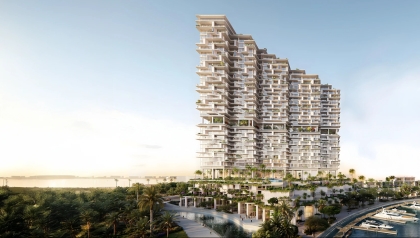
Қонақ үй өсімі брендтік резиденцияларды қолдай алады
Абу-Дабидің қонақжайлылық нарығы кеңейген сайын, брендтік резиденциялар барған сайын маңызды бола алады.
Брендтік резиденциялар жеке меншік иелігін халықаралық қонақ үй немесе өмір салты брендінің атауы, қызмет көрсету стандарттары мен мүмкіндіктерімен біріктіреді.
Олар сатып алушыларға мыналарды ұсына алады
Кәсіби жылжымайтын мүлік басқармасы
Консьерж қызметтері
Премиум мүмкіндіктер
Халықаралық бренд танымалдығы
Екінші үйдің ыңғайлылығы
Потенциалды жалға беру басқару опциялары
Шетелдік сатып алушылар арасында күшті тартымдылық
Туризмнің өсуі бұл секторды қолдайды, өйткені халықаралық келушілер жылжымайтын мүлік сатып алуды қарастырған кезде көптеген қонақжайлылық брендтерімен таныс.
Дегенмен, брендтік резиденциялар көбінесе жоғары сатып алу бағалары мен қызмет көрсету ақысына ие, сондықтан сатып алушылар қаржылық құрылымды мұқият бағалауы тиіс.
Қысқа мерзімді жалға алу пайда көруі мүмкін, бірақ реттеу маңызды
Көбірек туристер жиһазбен жабдықталған және қысқа мерзімді тұрғын үйге сұраныс тудыруы мүмкін.
Инвесторлар сондықтан мыналарға жақын пәтерлерді қарастыруы мүмкін
Яс аралының attractions
Саадият мәдени ауданы
Корниш
Аль-Мария аралы
Ірі шара орындары
Әуежайлар
Жағажайлар мен курорттар
Дегенмен, қысқа мерзімді жалға алу тиімділігі тек келушілер санына ғана байланысты емес.
Инвесторлар мыналарды тексеруі тиіс
Лицензиялау талаптары
Ғимарат ережелері
Қауымдастық шектеулері
Басқару ақысы
Маусымдылық
Толтырылу деңгейлері
Жиһаз құны
Қонақ үйлерден бәсекелестік
Болашақ пәтер ұсынысы
Күшті туристік экспозициясы бар жылжымайтын мүлік сатып алу бағасы немесе операциялық шығындары тым жоғары болса, әлі де нашар нәтиже көрсетуі мүмкін.
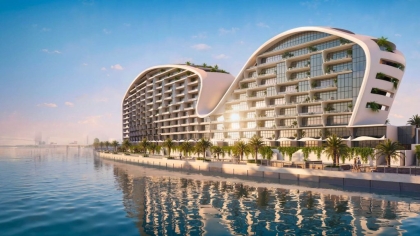
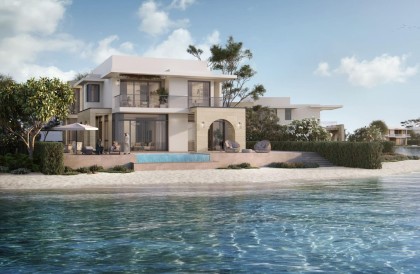
Туризм жаңа су жағасындағы дамуды қолдап жатыр
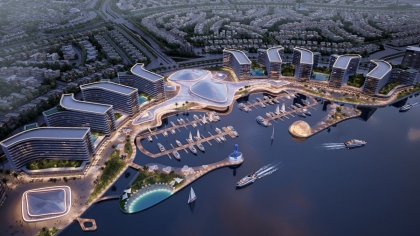
Су жағасындағы аудандар Абу-Дабидің туризм және жылжымайтын мүлік стратегияларының орталығында орналасқан.
Саяхатшылар жағажайларға, курорттарға, мариналарға, мәдени аудандарға және ашық ауадағы бағыттарға тартылады. Дамытушылар туристік тартымдылықты ұзақ мерзімді өмірмен біріктіретін тұрғын үй қауымдастықтарын құру арқылы жауап береді.
Бұл мыналарда көрінеді
Саадият аралы
Яс аралы
Ал Раха жағажайы
Ал Рим аралы
Худайриат аралы
Жубайл аралы
Болашақ су жағасындағы шебер жоспарлар
Бұл бағыттар бірдей емес.
Кейбіреулері мәдениетке, кейбіреулері ойын-сауыққа, ал басқалары табиғат, денсаулық немесе бизнес белсенділігіне негізделген.
Инвесторлар әр орынның нақты туристік және тұрғын үй сұранысын түсінуі тиіс.
Шетелдік инвестициялар туризммен бірге өсуде
Абу-Дабидің жылжымайтын мүлік нарығы 2025 жылы 142 миллиард дирхам көлемінде жалпы транзакцияларды тіркеді, бұл 44%-ға өсті.
Тұрғын үй сатылымы 67%-ға 76 миллиард дирхамға артты, ал шетелдік инвестициялар нарықтың жалпы өсімінің 69%-ын құрады.
Туризм бұл көрсеткіштің жалғыз себебі емес, бірақ ол Абу-Дабидің халықаралық аудиториялар арасында көрінуін нығайтуға көмектеседі.
Эмираттың
Қауіпсіздігі
Инфрақұрылымы
Attractions
Жағажайлар
Қонақ үйлер
Мәдени институттар
Отбасылық өмір салты
жылжымайтын мүлік инвестициясын қарастыруға ыңғайлы болуы мүмкін.
Сондықтан туризм мен жылжымайтын мүлік бір-бірін нығайтады.
Қай аймақтар ең көп пайда көре алады?
Әр түрлі туристік сегменттер әр түрлі жылжымайтын мүлік орындарын қолдауы мүмкін.
Яс аралы
Потенциалды драйверлер мыналарды қамтиды
Тақырыптық парктер
Disney курорттық жоспарлары
Формула 1
Etihad Arena
Қонақ үйлер мен демалыс
Бизнес шаралары
Отбасылық attractions
Саадият аралы
Потенциалды драйверлер мыналарды қамтиды
Мәдени мұражайлар
Люкс жағажайлар
Премиум курорттар
Халықаралық мектептер мен университеттер
Жоғары таза құнды туризм
Екінші үй сұранысы
Ал Мариах аралы және Абу-Дабидің орталығы
Потенциалды драйверлер мыналарды қамтиды
Бизнес туризмі
Қаржы
Люкс қонақ үйлер
Дүкендер
Корпоративтік сұраныс
Медициналық туризм
Ал Раха жағажайы және әуежай коридоры
Потенциалды драйверлер мыналарды қамтиды
Әуежай байланысы
Яс аралына қолжетімділік
Су жағасындағы өмір салты
Кәсіби тұрғындар
Халықаралық тұрғындар
Әл-Айн
Потенциалды драйверлер мыналарды қамтиды
Мұра туризмі
Табиғат
Отбасылық туризм
Мәдени attractions
Мемлекеттік қонақ үй инвестициясы
Әр нарық әр түрлі инвестициялық стратегияны талап етеді.
Жылжымайтын мүлік инвесторлары неге назар аударуы керек?
Туризмнің өсуі жылжымайтын мүлікке сұранысты қолдай алады, бірақ бұл сатып алудың жалғыз себебі болмауы тиіс.
Инвесторлар мыналарды тексеруі тиіс
Жылжымайтын мүлік бағасы
Жалдау кірісі
Дамытушының беделі
Аяқталу мәртебесі
Қызмет көрсету ақысы
Болашақ ұсыныс
Қауымдастыққа қолжетімділік
Туризмнің маусымдылығы
Ұзақ мерзімді тұрғындар сұранысы
Шығу стратегиясы
Ең күшті жылжымайтын мүліктер - бұл келушілер мен тұрақты тұрғындарды тартуға қабілеттілер.
Бұл туризм сұранысы өзгерген жағдайда үлкен икемділік тудырады.
Басқа жиі кездесетін қателіктер
Инвесторлар туристік attraction-ға жақын әрбір жылжымайтын мүліктің сәтті болатынын болжаудан аулақ болуы тиіс.
Жиі кездесетін қателіктер мыналарды қамтиды
Атақты орын үшін тым көп төлеу
Болашақ пәтер ұсынысын елемеу
Демалыс үйінің толтырылуын асыра бағалау
Басқару және жиһаз шығындарын төмен бағалау
Тек шара маусымының сұранысына сүйену
Ұзақ мерзімді тұрғындардың қалауларын елемеу
Лицензиялау талаптарын тексермеу
Құрылымы жоқ жобаны таңдау
Туризмнің өсуі қайта сату пайдасын қамтамасыз етеді деп болжау
Тұрақты инвестиция шынайы сұраныс пен шығындарға негізделуі тиіс.
Жиі қойылатын сұрақтар
2025 жылы Абу-Даби қанша турист қабылдады?
Абу-Даби 2025 жылы 26,6 миллион туристі, оның ішінде 5,9 миллион қонақ үй қонағын қабылдады.
Туризм Абу-Дабидің жылжымайтын мүлкіне қалай әсер етеді?
Туризм қонақ үйлерге, брендтік резиденцияларға, қысқа мерзімді жалға беруге, екінші үйлерге және келушілер экономикасында жұмыс істейтін қызметкерлер үшін ұзақ мерзімді тұрғын үйге сұранысты арттыруы мүмкін.
Абу-Дабидің қай аймақтары туризмнен ең көп пайда көреді?
Яс аралы мен Саадият аралы ең айқын мысалдардың қатарында, ал Аль-Мария аралы, Ал Раха жағажайы және Абу-Дабидің орталығы да бизнес және демалыс сапарларынан пайда көреді.
Disney курорты Яс аралының жылжымайтын мүлкіне әсер ете ме?
Жоба Яс аралының жаһандық туристік профилін нығайтуы мүмкін, бірақ оның соңғы жылжымайтын мүлікке әсері жеткізу, келушілердің өсуі, тұрғын үй ұсынысы және сатып алу бағаларына байланысты болады.
Абу-Дабиде қысқа мерзімді жалға алу жылжымайтын мүлік жақсы инвестиция ма?
Бұл таңдалған орындарда жарамды болуы мүмкін, бірақ инвесторлар лицензиялау, операциялық шығындар, бәсекелестік, маусымдылық және ғимарат шектеулерін тексеруі тиіс.
Қорытынды
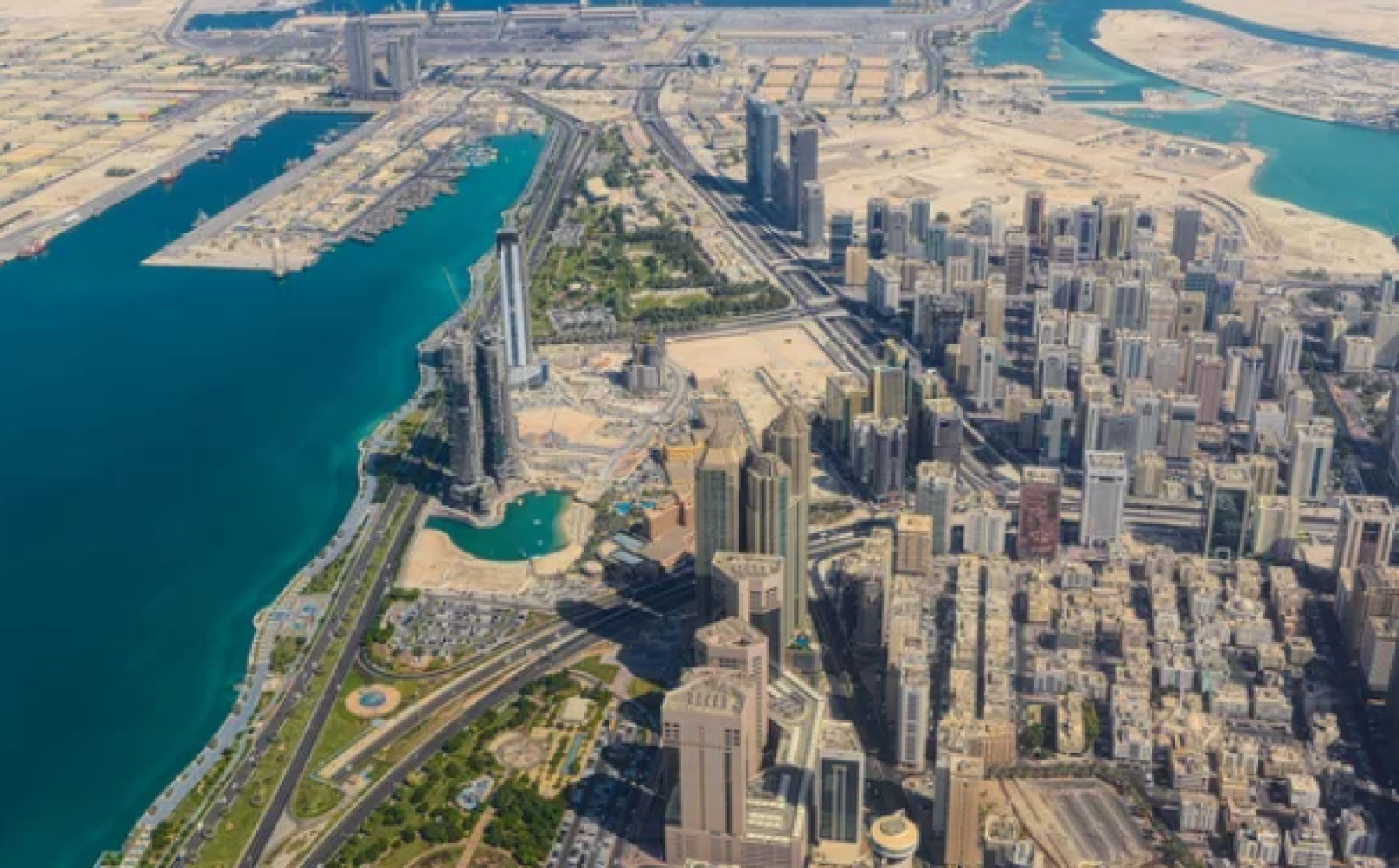
Туризм Абу-Дабидің жылжымайтын мүлік нарығының ең маңызды қолдаушы күштерінің біріне айналуда.
Рекордтық келушілер саны, әуежайдың өсуі, халықаралық шаралар және мәдениет пен ойын-сауық бағыттарының кеңеюі эмираттың жаһандық танымалдылығын арттыруда.
Яс аралы ойын-сауық туризмінің тұрғын үй сұранысын қалай қолдайтынын көрсетеді. Саадият аралы мәдениет, жағажайлар және люкс қонақжайлылықтың әсерін көрсетеді. Бизнес шаралары мен күшті әуежай байланысы дәстүрлі демалыс нарықтарынан тыс сұраныс тудырып жатыр.
Дегенмен, туризм кең ауқымды инвестициялық стратегияның бір бөлігі ретінде қарастырылуы тиіс.
Ұзақ мерзімді перспективада ең жақсы нәтиже көрсететін жылжымайтын мүліктер - бұл келушілердің тартымдылығын шынайы тұрғын үй сұранысымен, күшті инфрақұрылыммен және шектеулі, жақсы басқарылатын ұсыныспен біріктіретіндер.
Prime Palaces қалай көмектесе алады
Prime Palaces халықаралық сатып алушыларға Абу-Дабидің орныққан қауымдастықтарын, туризмге негізделген бағыттарын және жаңа инвестициялық мүмкіндіктерін бағалауға көмектеседі.
Біздің команда орналасу салыстыруларын, дамытушы талдауын және жалға алу мақсаттары, өмір салтының таңдаулары және ұзақ мерзімді нарық әлеуеті негізінде нұсқаулық береді.
Сіз Яс аралына жақын жылжымайтын мүлікті, Саадият аралындағы люкс резиденцияны немесе Абу-Дабидің басқа жоғары өсім көрсететін қауымдастығында үй сатып алуды қарастырып жатсаңыз да, біз сізге ресми ақпарат пен нарық негіздері негізінде ақпараттандырылған шешімдер қабылдауға көмектесеміз.