





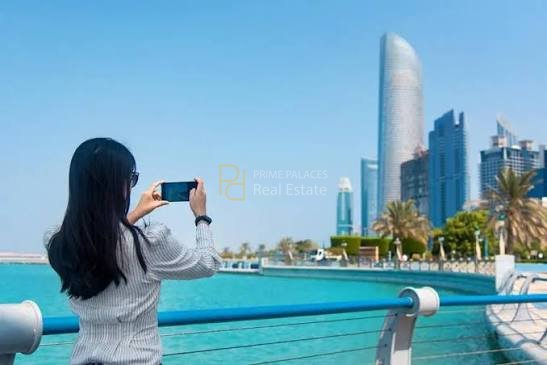
Как туризм влияет на рынок недвижимости Абу-Даби
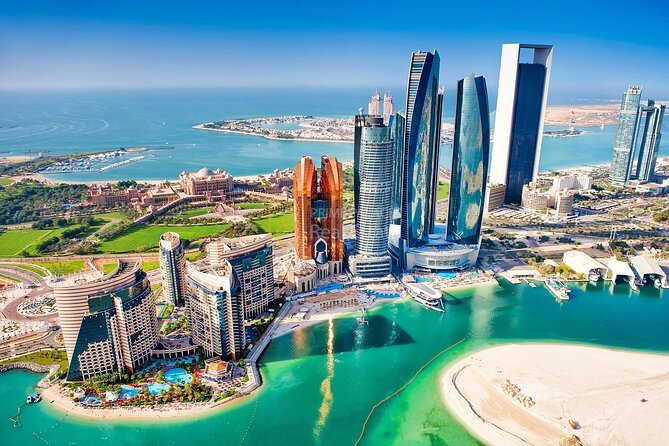
Абу-Даби быстро укрепляет свои позиции как глобальное туристическое направление.
Эмират больше не известен только как политическая и экономическая столица ОАЭ. Он превращается в международный центр культуры, развлечений, крупных мероприятий, роскошного гостеприимства и семейного туризма.
Эта трансформация также влияет на рынок недвижимости.
С ростом числа посетителей, открытием новых достопримечательностей и улучшением международной доступности растет спрос на отели, брендированные резиденции, загородные дома, квартиры для аренды и недвижимость в сообществах, расположенных рядом с крупными туристическими направлениями.
В этом руководстве мы объясняем, как туризм влияет на рынок недвижимости Абу-Даби и какие районы могут получить наибольшую выгоду от долгосрочного роста числа посетителей эмирата.
Важное замечание
Рост туризма не гарантирует повышения цен на недвижимость или доходности от аренды. Эффективность недвижимости также зависит от предложения, местоположения, цены покупки, сервисных сборов, качества сообщества и более широких экономических условий. Покупатели должны проводить независимую юридическую и финансовую проверку перед инвестированием.
Туризм Абу-Даби достигает рекордных уровней
Туристический сектор Абу-Даби достиг своего наилучшего результата на сегодняшний день в 2025 году.
Эмират принял рекордные 26,6 миллиона посетителей в течение года. Это включало 5,9 миллиона гостей отелей, а общий доход от гостиничного бизнеса составил 9,1 миллиарда дирхамов ОАЭ.
Доход от гостиничного бизнеса увеличился на 19,5%, а средняя цена номера за сутки возросла примерно на 19% до 591 дирхамов ОАЭ.
Эти цифры указывают на то, что Абу-Даби привлекает не только больше посетителей, но и более высокие расходы в сфере гостеприимства, размещения и туристических услуг.
Для рынка недвижимости устойчивый рост туризма может создать спрос в нескольких секторах
Отели и курорты
Брендированные резиденции
Краткосрочное жилье
Квартиры на набережной
Недвижимость для розничной торговли и ресторанов
Жилища для персонала
Долгосрочная аренда жилья
Вторые дома
Чем более устоявшимся становится Абу-Даби как круглогодичное направление, тем сильнее может стать связь между туризмом и спросом на недвижимость.
Стратегия туризма 2030 создает долгосрочный спрос
Расширение туризма в Абу-Даби не основано только на краткосрочном росте числа посетителей.
Стратегия туризма 2030 ставит долгосрочные цели по увеличению ежегодного числа посетителей до 39,3 миллиона, повышению экономического вклада туризма до 90 миллиардов дирхамов ОАЭ и поддержке примерно 178 000 рабочих мест.
Это важно для инвесторов в недвижимость, поскольку туризм создает спрос не только на отели.
Более крупная экономика посетителей требует
Сотрудников гостиничного бизнеса
Туристических специалистов
Персонала розничной торговли
Организаторов мероприятий
Транспортных услуг
Операторов развлечений
Работников ресторанов и досуга
Команд управления и бизнес-поддержки
С увеличением занятости может возрасти и потребность в жилой недвижимости в разных ценовых сегментах.
Таким образом, туризм поддерживает как временное жилье, так и долгосрочный спрос на жилье.
Международный аэропорт Зайед расширяет доступность Абу-Даби
Международная доступность является одним из самых важных оснований успешного туризма и рынка недвижимости.
Аэропорты Абу-Даби приняли более 15,8 миллиона пассажиров в первой половине 2025 года. Международный аэропорт Зайед составил 15,5 миллиона из этих пассажиров и зафиксировал ежегодный рост на 13,2%.
Современный терминал аэропорта может обслуживать до 45 миллионов пассажиров в год, что дает Абу-Даби возможность поддерживать дальнейший рост числа посетителей и авиаперевозчиков.
Улучшенная доступность может повлиять на спрос на недвижимость следующим образом
Упрощая доступ к Абу-Даби
Поддерживая международные деловые поездки
Стимулируя владение вторыми домами
Увеличивая транзитный туризм
Привлекая зарубежных инвесторов
Поддерживая крупные мероприятия и выставки
Улучшая доступность для международных жителей
Сообщества с удобным доступом к аэропорту, острову Яс и крупным центрам занятости могут получить выгоду от этого роста.
Туристы могут стать будущими покупателями недвижимости
Туризм часто является первой стадией отношений инвестора с городом.
Посетители могут изначально приехать в Абу-Даби для
Отпуска
Культурного события
Формулы 1
Деловой конференции
Семейной достопримечательности
Спортивного события
Транзита
После того как они оценят инфраструктуру города, безопасность, образ жизни и жилые сообщества, некоторые посетители могут рассмотреть возможность возвращения в качестве покупателей недвижимости, владельцев бизнеса или долгосрочных жителей.
Это создает важный поток для рынка недвижимости.
Чем больше международная экспозиция Абу-Даби, тем больше потенциальная аудитория будущих покупателей.
Остров Яс является одним из самых ярких примеров
Остров Яс демонстрирует, как туризм и жилая недвижимость могут поддерживать друг друга.
Остров объединяет крупные достопримечательности, отели, рестораны, развлекательные заведения, торговлю и жилые сообщества в одном мастер-плане.
Его достопримечательности включают
Ferrari World Abu Dhabi
Warner Bros. World Abu Dhabi
SeaWorld Yas Island
Yas Waterworld
Yas Marina Circuit
Yas Mall
Etihad Arena
Yas Bay Waterfront
Остров Яс и остров Саадият зафиксировали сильный рост посещаемости в 2024 и 2025 годах, поддерживаемый новыми достопримечательностями и расширенными возможностями для досуга.
Расширение Yas Waterworld в 2025 году добавило более 20 новых аттракционов, горок и развлечений, увеличив общее количество аттракционов до более чем 60.
Объявление о будущем курорте Disney на острове Яс еще больше укрепило глобальный туристический профиль этого района.
Для рынка недвижимости эти достопримечательности могут поддерживать
Спрос на загородные дома
Спрос на краткосрочную аренду
Долгосрочный спрос на аренду от сотрудников
Осведомленность международных покупателей
Семейные переезды
Связанные с гостиничным бизнесом жилые проекты
Спрос на виллы и квартиры рядом с развлекательными объектами
Тем не менее, инвесторы должны внимательно сравнивать цены на недвижимость и будущее предложение, а не полагаться только на туристический профиль направления.
Остров Саадият использует культуру для создания премиум-спроса
Остров Саадият развил совершенно другую туристическую идентичность.
Вместо того чтобы сосредотачиваться в основном на тематических парках и развлечениях, Саадият сочетает культуру, пляжи, роскошные отели, образование и премиум-жилые сообщества.
Остров является домом для или связан с
Louvre Abu Dhabi
Национальный музей Зайеда
Природный исторический музей Абу-Даби
teamLab Phenomena Abu Dhabi
Abrahamic Family House
Manarat Al Saadiyat
Пляж Саадият
Крупные роскошные отели и курорты
Культурные достопримечательности Саадият зафиксировали рост посещаемости в 2025 году, открытие teamLab Phenomena способствовало увеличению интереса к острову.
Национальный музей Зайеда и Природный исторический музей Абу-Даби еще больше укрепляют роль Культурного района как международного направления.
Для рынка недвижимости эта культурная и жизненная среда может поддерживать спрос от
Покупателей с высоким доходом
Международных семей
Владельцев вторых домов
Культурных специалистов
Руководителей
Долгосрочных жителей
Роскошных арендаторов
Привлекательность Саадият заключается в сочетании ограниченных прибрежных земель, культурного престижа и высококачественного жилого строительства.
Крупные мероприятия поддерживают спрос на аренду круглый год
Стратегия туризма Абу-Даби все больше включает международные мероприятия и деловой туризм.
Эмират проводит крупные мероприятия в области
Моторного спорта
Боевых искусств
Выставок
Конференций
Музыки
Культуры
Парусного спорта
Пищевой и гостиничной сферы
Корпоративных мероприятий
DCT Abu Dhabi сообщило, что примерно 1,15 миллиона делегатов посетили бизнес-мероприятия в 2024 году, что представляет собой ежегодный рост в секторе встреч и мероприятий.
В отличие от сезонного досугового туризма, деловые мероприятия могут создавать спрос в течение всего года.
Это может быть выгодно для
Сервисных квартир
Отелей
Краткосрочной аренды
Исполнительного жилья
Жилой недвижимости рядом с местами проведения мероприятий
Недвижимости для розничной торговли и ресторанов
Районы рядом с островом Яс, ADNEC, островом Аль-Мария и центральным Абу-Даби могут особенно выиграть от повторяющейся деловой активности и мероприятий.
Рост гостиничного бизнеса может поддержать брендированные резиденции
С расширением гостиничного рынка Абу-Даби брендированные резиденции могут стать все более важными.
Брендированные резиденции сочетают частную собственность с именем, стандартами обслуживания и удобствами международного отеля или бренда образа жизни.
Они могут привлечь покупателей, ищущих
Профессиональное управление недвижимостью
Консьерж-услуги
Премиум-удобства
Международное признание бренда
Удобство вторых домов
Возможности управления арендой
Более сильную привлекательность среди зарубежных покупателей
Рост туризма поддерживает этот сектор, поскольку международные посетители уже знакомы со многими гостиничными брендами, прежде чем рассмотреть возможность покупки недвижимости.
Тем не менее, брендированные резиденции часто связаны с более высокими ценами на покупку и сервисными сборами, поэтому покупатели должны тщательно оценивать финансовую структуру.
Краткосрочная аренда может быть выгодной, но регулирование имеет значение
Большее количество туристов может создать спрос на меблированное и краткосрочное жилье.
Инвесторы могут рассмотреть квартиры рядом с
Достопримечательностями острова Яс
Культурным районом Саадият
Корниш
Островом Аль-Мария
Крупными местами проведения мероприятий
Аэропортами
Пляжами и курортами
Тем не менее, эффективность краткосрочной аренды зависит не только от числа посетителей.
Инвесторы должны проверить
Требования к лицензированию
Правила строительства
Ограничения сообщества
Управленческие сборы
Сезонность
Уровни заполняемости
Затраты на меблирование
Конкуренцию со стороны отелей
Будущее предложение квартир
Недвижимость с сильной туристической экспозицией может все равно показывать низкие результаты, если цена покупки или операционные расходы слишком высоки.
Туризм поддерживает новое прибрежное развитие
Прибрежные районы являются центральными для стратегий туризма и недвижимости Абу-Даби.
Посетителей привлекают пляжи, курорты, марины, культурные районы и открытые места. Разработчики реагируют, создавая жилые сообщества, которые сочетают привлекательность туризма с долгосрочным проживанием.
Это можно увидеть в таких районах, как
Остров Саадият
Остров Яс
Пляж Аль-Раха
Остров Аль-Рим
Остров Худайриат
Остров Джубайл
Будущие мастер-планы прибрежной зоны
Эти направления не идентичны.
Некоторые движимы культурой, некоторые развлечениями, другие природой, здоровьем или деловой активностью.
Инвесторы должны понимать конкретный туристический и жилой спрос за каждым местоположением.
Иностранные инвестиции растут на фоне туризма
Рынок недвижимости Абу-Даби зафиксировал 142 миллиарда дирхамов ОАЭ в общих сделках в 2025 году, что на 44% больше.
Продажа жилой недвижимости увеличилась на 67% до 76 миллиардов дирхамов ОАЭ, в то время как иностранные инвестиции составили 69% общего роста рынка.
Туризм не является единственной причиной этой эффективности, но он помогает укрепить видимость Абу-Даби среди международной аудитории.
Посетитель, который испытывает
Безопасность
Инфраструктуру
Достопримечательности
Пляжи
Отели
Культурные учреждения
Семейный образ жизни
может стать более уверенным в рассмотрении инвестиции в недвижимость.
Таким образом, туризм и недвижимость поддерживают друг друга.
Какие районы могут получить наибольшую выгоду?
Разные туристические сегменты могут поддерживать разные местоположения недвижимости.
Остров Яс
Потенциальные факторы включают
Темы парки
Планы курорта Disney
Формула 1
Etihad Arena
Отели и досуг
Деловые мероприятия
Семейные достопримечательности
Остров Саадият
Потенциальные факторы включают
Культурные музеи
Роскошные пляжи
Премиум-курорты
Международные школы и университеты
Туризм с высоким доходом
Спрос на вторые дома
Остров Аль-Мария и центральный Абу-Даби
Потенциальные факторы включают
Деловой туризм
Финансы
Роскошные отели
Розничная торговля
Корпоративный спрос
Медицинский туризм
Пляж Аль-Раха и коридор аэропорта
Потенциальные факторы включают
Аэропортная доступность
Доступ к острову Яс
Прибрежный образ жизни
Профессиональные арендаторы
Международные жители
Аль-Айн
Потенциальные факторы включают
Наследственный туризм
Природа
Семейный туризм
Культурные достопримечательности
Государственные инвестиции в отели
Каждый рынок требует своей инвестиционной стратегии.
Что должны учитывать инвесторы в недвижимость?
Рост туризма может поддерживать спрос на недвижимость, но это не должно быть единственной причиной для покупки.
Инвесторы должны изучить
Цену недвижимости
Доходность от аренды
Репутацию застройщика
Статус завершения
Сервисные сборы
Будущее предложение
Доступ к сообществу
Сезонность туризма
Спрос долгосрочных жителей
Стратегию выхода
Самые сильные объекты могут быть теми, которые могут привлечь как посетителей, так и постоянных жителей.
Это создает большую гибкость, если спрос на туризм изменится.
Распространенные ошибки, которых следует избегать
Инвесторы должны избегать предположения, что каждая недвижимость рядом с туристической достопримечательностью будет успешной.
Распространенные ошибки включают
Платить слишком много из-за известного местоположения
Игнорировать будущее предложение квартир
Переоценивать заполняемость загородных домов
Недооценивать затраты на управление и меблирование
Полагаться только на спрос в сезон мероприятий
Игнорировать предпочтения долгосрочных арендаторов
Не проверять требования к лицензированию
Выбирать проект без устоявшегося сообщества
Предполагать, что рост туризма гарантирует прирост перепродаж
Устойчивые инвестиции должны основываться на реалистичном спросе и затратах.
Часто задаваемые вопросы
Сколько посетителей принял Абу-Даби в 2025 году?
Абу-Даби принял рекордные 26,6 миллиона посетителей в 2025 году, включая 5,9 миллиона гостей отелей.
Как туризм влияет на недвижимость Абу-Даби?
Туризм может увеличить спрос на отели, брендированные резиденции, краткосрочную аренду, вторые дома и долгосрочное жилье для сотрудников, работающих в туристической экономике.
Какие районы Абу-Даби получают наибольшую выгоду от туризма?
Остров Яс и остров Саадият являются одними из самых ярких примеров, в то время как остров Аль-Мария, пляж Аль-Раха и центральный Абу-Даби также получают выгоду от деловых и развлекательных поездок.
Повлияет ли курорт Disney на недвижимость острова Яс?
Ожидается, что проект укрепит глобальный туристический профиль острова Яс, но его окончательное влияние на недвижимость будет зависеть от реализации, роста числа посетителей, предложения жилья и цен на покупку.
Является ли недвижимость для краткосрочной аренды хорошей инвестицией в Абу-Даби?
Это может быть подходящим в выбранных местах, но инвесторы должны проверить лицензирование, операционные расходы, конкуренцию, сезонность и ограничения по строительству.
Заключение
Туризм становится одной из самых важных поддерживающих сил на рынке недвижимости Абу-Даби.
Рекордные числа посетителей, рост аэропортов, международные мероприятия и расширяющиеся культурные и развлекательные направления увеличивают глобальную осведомленность об эмирате.
Остров Яс показывает, как развлекательный туризм может поддерживать спрос на жилье. Остров Саадият демонстрирует влияние культуры, пляжей и роскошного гостеприимства. Деловые мероприятия и более сильная доступность аэропортов также создают спрос за пределами традиционных развлекательных рынков.
Тем не менее, туризм следует рассматривать как одну часть более широкой инвестиционной стратегии.
Недвижимость, которая, вероятно, будет хорошо работать в долгосрочной перспективе, может быть той, которая сочетает привлекательность для посетителей с подлинным спросом на жилье, сильной инфраструктурой и ограниченным, хорошо управляемым предложением.
Как Prime Palaces может помочь
Prime Palaces помогает международным покупателям оценивать устоявшиеся сообщества Абу-Даби, направления, ориентированные на туризм, и новые инвестиционные возможности.
Наша команда предоставляет сравнения местоположений, анализ застройщиков и рекомендации на основе целей аренды, предпочтений образа жизни и долгосрочного рыночного потенциала.
Независимо от того, рассматриваете ли вы недвижимость рядом с островом Яс, роскошную резиденцию на острове Саадият или дом в другом быстрорастущем сообществе Абу-Даби, мы помогаем вам принимать обоснованные решения на основе официальной информации и рыночных основ.