



Gretsiya Oltin Visa Bozori O'zgarishlar Qilmoqda Konversiya Loyihalari va Tartibga Solingan Investitsiyalar Tomonida
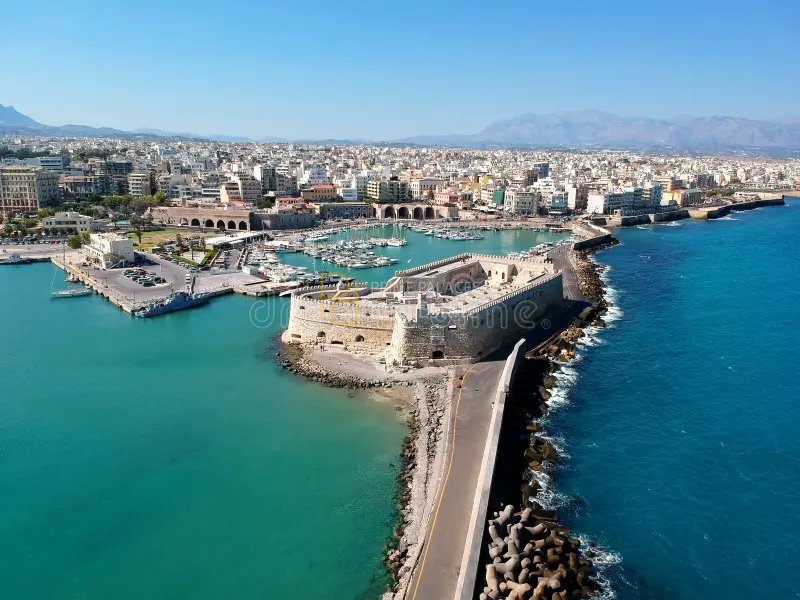
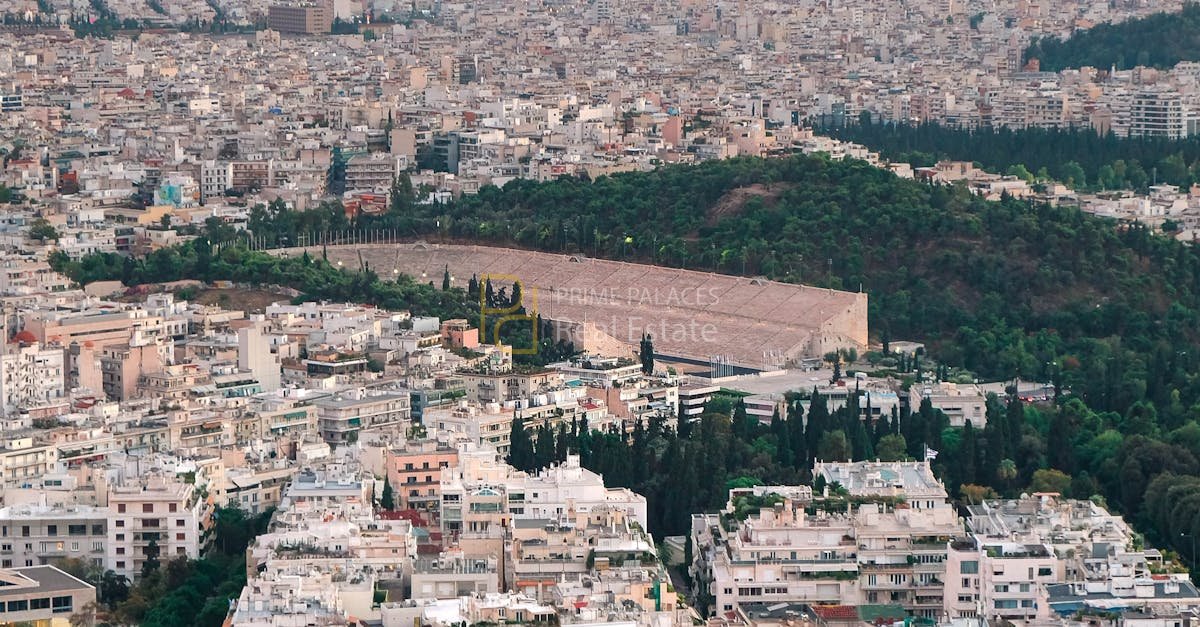
Gretsiyaning ko'chmas mulk investitsiya bozori 2026 yilda rivojlanishda davom etdi, chunki hokimiyatlar spekulyativ kvartira xaridlaridan ko'ra tartibga solingan, qayta rivojlantirishga yo'naltirilgan investitsiya tuzilmalariga o'tishni kuchaytirdi. 5100/2024-sonli qonunning amalga oshirilishi bo'yicha qo'shimcha tushuntirishlar bilan investorlar va rivojlantiruvchilar mamlakatning yangilangan Oltin Visa tizimining amaliyotda qanday ishlashini yaxshiroq tushunishdi.
Yangilangan tuzilma €250,000 investitsiya yo'lining rolini sezilarli darajada o'zgartirdi. Afinada, Selanik, Mikonos, Santorini va bir nechta yirik orollarda standart yashash xaridlari endi ancha yuqori investitsiya talablarini talab qilsa-da, ba'zi konversiya va tiklash loyihalari pastroq talablar bo'yicha malakali bo'lib qolmoqda. Bu tijoratdan yashashga qayta rivojlantirish loyihalari va ro'yxatga olingan tarixiy binolarni tiklashni o'z ichiga oladi.
Natijada, bozor e'tibori an'anaviy kvartira xaridlaridan ko'ra shaharni qayta tiklash imkoniyatlariga ko'proq qaratildi. Rivojlantiruvchilar eskirgan ofis binolari, sobiq sanoat mulklari va zamonaviy yashash inventariga aylantirilishi mumkin bo'lgan eskirgan tijorat aktivlarini o'z ichiga olgan loyihalarni ustun qo'yishni boshladilar. Ushbu loyihalar nafaqat investorlar uchun strategik jihatdan jozibador bo'lib qolmoqda, balki hukumatning kengroq uy-joy va shahar rivojlanishi maqsadlari bilan ham yaqinroq mos kelmoqda.
O'zgarishlar investitsiya migratsiya sohasida qat'iyroq muvofiqlik standartlarini mustahkamladi. Hokimiyatlar Oltin Visa investitsiyalari bilan bog'liq ko'chmas mulkdan foydalanish, mulk egalik tuzilmalari va qisqa muddatli ijaraga olish faoliyati bo'yicha nazoratni kuchaytirishda davom etdi. Yangilangan tizim, ilgari Gretsiya bozorining post-pandemiya tiklanish davrida hukmron bo'lgan faqat Airbnb asosidagi investitsiya strategiyalarining jozibadorligini samarali ravishda kamaytirdi.
Hukumatning yondashuvi, ayniqsa, Afina va boshqa yuqori talabga ega shahar hududlarida ijaraga olish xarajatlari so'nggi yillarda sezilarli darajada oshgani sababli, uy-joy arzonligi bosimiga bo'lgan o'sib borayotgan tashvishni aks ettiradi. Mavjud uy-joy fondini ommaviy xarid qilish o'rniga qayta rivojlantirish va tiklashni rag'batlantirish orqali Gretsiya xorijiy investitsiya oqimlarini uzoq muddatli yashash ta'minoti ehtiyojlari bilan muvozanatlashishga harakat qilmoqda.
Investorlar uchun Gretsiya bozori tobora tanlovli va ehtiyotkorlik bilan o'rganishga asoslangan bo'lmoqda. Aktiv sifatlari, huquqiy tuzilma, konversiya uchun moslik, zonalarga muvofiqlik va uzoq muddatli ijaraga olish potentsiali endi investitsiya qarorlarida oddiy rezidentlik malakasi bilan solishtirganda ancha katta rol o'ynamoqda. Bozor asta-sekin hajmga asoslangan Oltin Visa tranzaksiyalaridan ko'ra ko'proq institutiyalashgan, tartibga solingan va barqarorlikka yo'naltirilgan investitsiya faoliyatiga o'tmoqda.
Qat'iyroq qoidalarga qaramay, Gretsiya o'zining strategik evropa joylashuvi, turizm sektori, infratuzilma yangilanishlari va uzoq muddatli ko'chmas mulk tiklanish potentsiali tufayli kuchli xalqaro qiziqishni saqlab qolmoqda. Biroq, investitsiya manzarasi sezilarli darajada murakkablashmoqda, bu esa avvalgi yillarga nisbatan chuqur bozor tahlilini va ehtiyotkor aktiv tanlovini talab qiladi.