





Покупка вашей первой недвижимости в Дубае: пошаговое руководство для иностранных инвесторов
Покупка вашей первой недвижимости в Дубае может показаться удивительно простой.
Выберите проект. Забронируйте единицу. Подпишите контракт. Произведите платежи. Получите ключи.
Но для международного покупателя успешная покупка недвижимости включает в себя гораздо больше, чем выбор привлекательной квартиры.
Вам нужно понять где иностранцы могут покупать, как работает регистрация в Департаменте земельных ресурсов Дубая, какие сборы учесть в бюджете, чем отличаются объекты на стадии строительства и готовые объекты, и что проверить перед переводом ваших денег.
Хорошая новость заключается в том, что в Дубае существует регулируемая система регистрации недвижимости, и нерезиденты могут приобретать недвижимость в определенных зонах свободной собственности.
Это пошаговое руководство объясняет, как купить вашу первую недвижимость в Дубае как иностранный инвестор—от установки вашего бюджета до получения вашего свидетельства о праве собственности.
Могут ли иностранцы покупать недвижимость в Дубае?
Да.
Департамент земельных ресурсов Дубая подтверждает, что иностранные граждане могут владеть недвижимостью в определенных зонах свободной собственности.
К ним относятся многие из самых известных жилых и инвестиционных направлений Дубая.
Иностранные покупатели не обязательно должны быть резидентами ОАЭ, чтобы приобрести подходящую недвижимость. Для регистрации продажи завершенной недвижимости в DLD можно использовать действующий паспорт для нерезидента-иностранного покупателя.
Это делает Дубай доступным для международных инвесторов, которые живут за пределами ОАЭ.
Тем не менее, первый вопрос не должен быть просто:
“Могу ли я купить?”
Он должен быть:
“Что мне купить и почему?”
Шаг 1: Определите вашу цель инвестиции в недвижимость
Перед тем как рассматривать проекты, решите, чего вы хотите достичь с помощью недвижимости.
Это звучит очевидно, но это один из самых важных шагов.
Недвижимость, купленная для долгосрочного дохода от аренды, может быть совершенно другой, чем та, которая выбрана для капитализации или личного использования.
Вы покупаете для получения дохода от аренды?
Сосредоточьтесь на таких факторах, как:
-
Спрос арендаторов
-
Арендные ставки
-
Сборы за обслуживание
-
Пустующие объекты
-
Расходы на управление недвижимостью
-
Размер единицы
-
Транспорт
-
Центры занятости
Вы покупаете для капитализации?
Обратите больше внимания на:
-
Цена входа
-
Будущая инфраструктура
-
Развитие сообщества
-
Репутация застройщика
-
Будущее предложение
-
Сроки передачи
-
Спрос на перепродажу
Вы покупаете для жизни в Дубае?
Ваши приоритеты могут включать:
-
Школы
-
Коммутация
-
Парки
-
Здравоохранение
-
Шопинг
-
Размер недвижимости
-
Стиль жизни сообщества
Вы покупаете по нескольким причинам?
Многие международные инвесторы хотят сочетание инвестиций, личного использования и потенциальных преимуществ резидентства.
Это возможно, но вам следует установить, какая цель является приоритетной.
Шаг 2: Установите свой реальный бюджет
Ваш бюджет на недвижимость никогда не должен равняться вашей максимальной цене покупки.
Существуют дополнительные транзакционные и собственнические расходы, которые нужно учесть.
Для завершенной продажи недвижимости DLD в настоящее время указывает сбор за регистрацию в размере 4% от стоимости продажи, формально разделенный на 2% для продавца и 2% для покупателя.
Существуют также дополнительные сборы, связанные с регистрацией.
Например, DLD в настоящее время указывает:
-
Сбор за выдачу свидетельства о праве собственности в размере 250 AED
-
Применимые сборы за недвижимость/карты
-
Сбор за знания в размере 10 AED
-
Сбор за инновации в размере 10 AED
-
Сборы за услуги регистрационного доверителя
Для сделок стоимостью 500,000 AED или более DLD указывает сбор за услуги регистрационного доверителя в размере 4,000 AED плюс НДС. Для сделок ниже 500,000 AED это 2,000 AED плюс НДС.
Не забывайте о текущих расходах
После покупки вам также может потребоваться учесть:
-
Сборы за обслуживание
-
Управление недвижимостью
-
Техническое обслуживание
-
Страхование
-
Меблировка
-
Расходы по ипотеке, если применимо
-
Настройка коммунальных услуг
Вот почему рекламируемая цена недвижимости никогда не должна рассматриваться как полная стоимость инвестиций.
Шаг 3: Выберите между недвижимостью на стадии строительства и готовой недвижимостью
Одно из первых крупных решений заключается в том, покупать недвижимость на стадии строительства или готовую недвижимость в Дубае.
Они предлагают очень разные инвестиционные структуры.
Что такое недвижимость на стадии строительства?
Недвижимость на стадии строительства покупается до завершения строительства.
Покупатели обычно производят платежи в соответствии с графиком платежей застройщика.
Типичная структура может включать:
-
Платеж за резервирование
-
Выплаты во время строительства
-
Окончательный платеж при передаче
Точная структура варьируется в зависимости от проекта.
Почему инвесторы выбирают недвижимость на стадии строительства
Потенциальные преимущества включают:
-
Низкие первоначальные денежные требования
-
Платежные планы на основе рассрочки
-
Доступ к новым запущенным проектам
-
Потенциальная капитализация во время строительства
-
Новые здания и удобства
Но инвестиции на стадии строительства также связаны с рисками.
К ним могут относиться:
-
Сроки строительства
-
Изменения на рынке до передачи
-
Большое будущее предложение
-
Различия между ожидаемой и фактической арендной доходностью
Что такое готовая недвижимость?
Готовая недвижимость уже завершена.
Это означает, что вы можете осмотреть фактическую единицу и, в зависимости от недвижимости, потенциально арендовать ее сразу после завершения сделки.
Почему инвесторы выбирают готовую недвижимость
Потенциальные преимущества включают:
-
Существующие данные о аренде
-
Немедленный арендный потенциал
-
Физическая проверка
-
Установленное сообщество
-
Ясные сборы за обслуживание
-
Меньшая неопределенность в строительстве
Компромисс может заключаться в менее гибких условиях оплаты и большем первоначальном капитальном требовании.
Шаг 4: Выберите правильный район
Дубай не является единым рынком недвижимости.
Это коллекция сообществ с очень разными профилями покупателей и арендаторов.
Для жизни в центре города
Покупатели часто рассматривают такие районы, как:
-
Центр Дубая
-
Бизнес-Бей
-
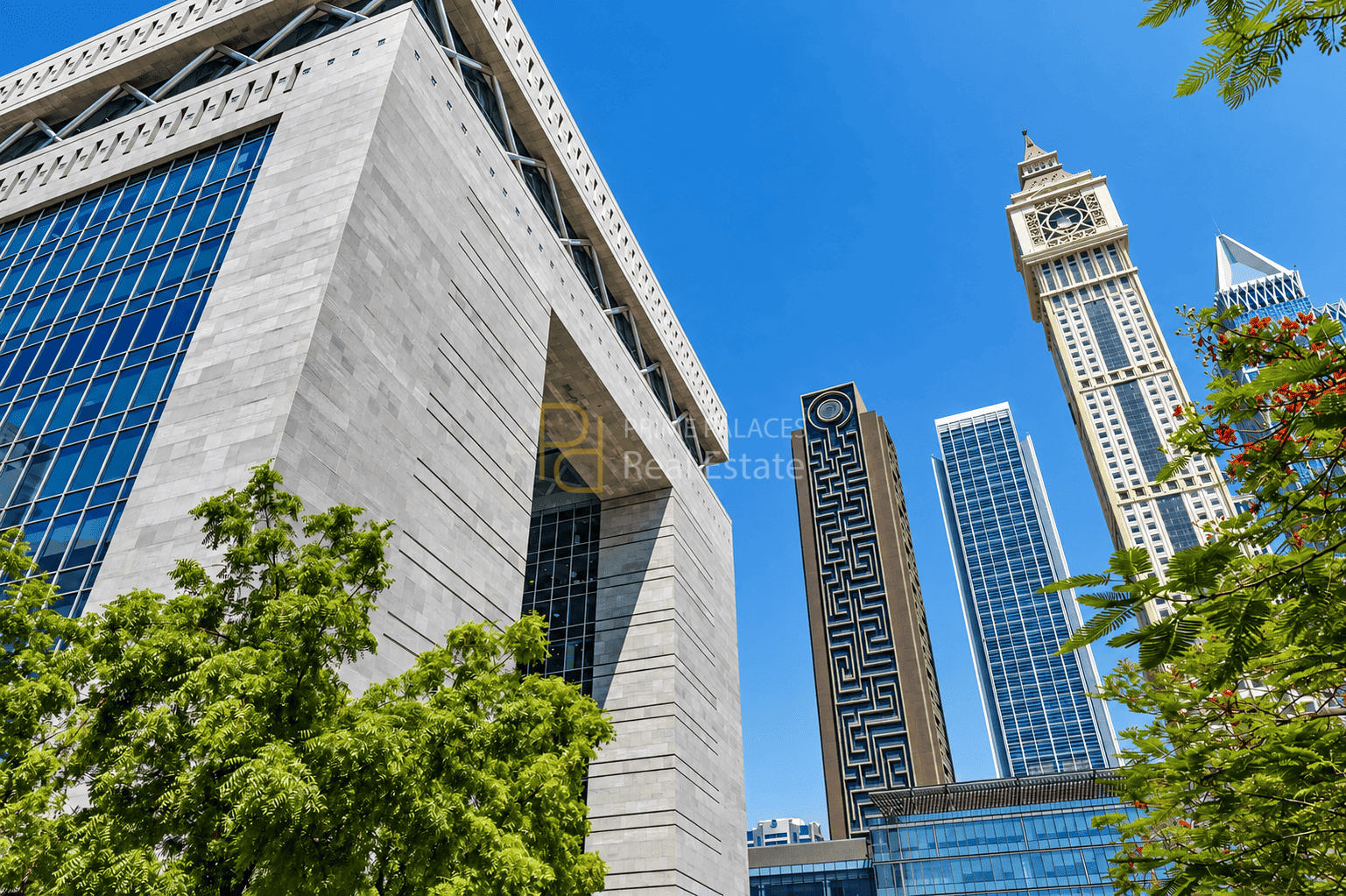
DIFC
Эти районы могут привлечь профессионалов, руководителей и международных жителей.
Для семейной жизни
Сообщества, такие как:
-
Dubai Hills Estate
-
Аравийские ранчо
-
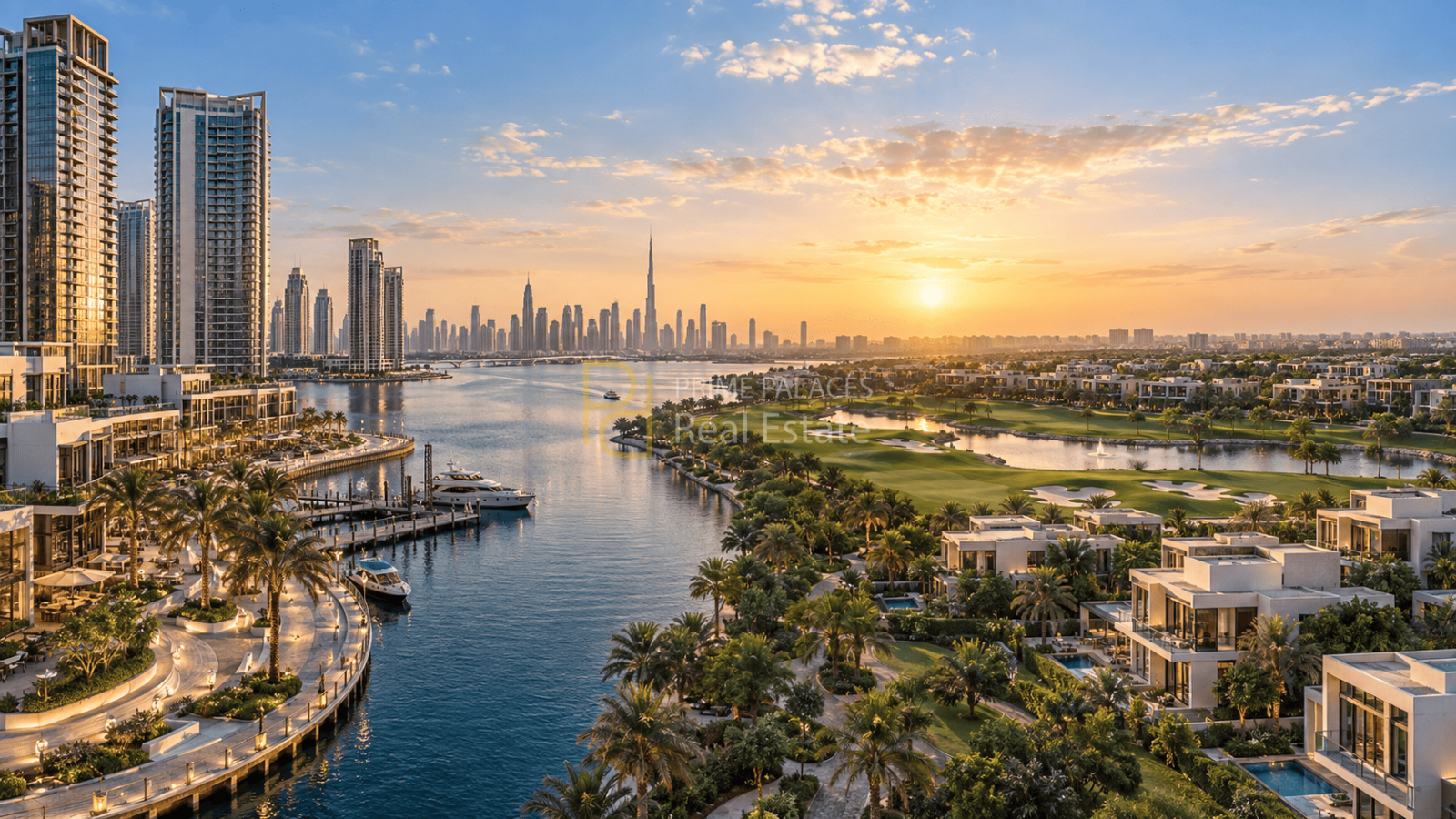
Dubai Creek Harbour
-
Dubai South
могут удовлетворить различные семейные и долгосрочные жилые потребности в зависимости от типа недвижимости и инфраструктуры.
Для прибрежной недвижимости
Варианты включают такие районы, как:
-
Пальма Джумейра
-
Дубай Марина
-
Dubai Creek Harbour
-
Дубайские острова
-
Яхты Рашид и Марина
Для развивающихся инвестиционных районов
Инвесторы также могут рассмотреть местоположения, на которые влияют новая инфраструктура и развитие мастер-планов.
Важно не просто выбрать район, который получает наибольшее внимание.
Спросите:
Кто на самом деле будет жить здесь?
Этот вопрос должен направлять ваши инвестиции.
Шаг 5: Выберите недвижимость
Как только вы определили район, сравните отдельные объекты.
Цена имеет значение.
Но также важны характеристики, которые определяют будущий спрос.
Проверьте единицу
Учитывайте:
-
Этаж
-
Вид
-
Планировка
-
Балкон
-
Естественное освещение
-
Парковка
-
Размер единицы
-
Конфиденциальность
-
Расстояние от лифтов
-
Шум
Две квартиры в одном здании могут иметь разную производительность из-за этих деталей.
Проверьте здание
Учитывайте:
-
Удобства
-
Сборы за обслуживание
-
Качество здания
-
Управление
-
Лобби
-
Бассейн
-
Тренажерный зал
-
Парковка
-
Доступ к торговле
Проверьте сообщество
Обратите внимание на:
-
Транспорт
-
Школы
-
Торговля
-
Парки
-
Здравоохранение
-
Будущее строительство
-
Конкурирующие проекты
Сильная единица в неправильном месте все равно может быть трудно сдать в аренду или перепродать.
Шаг 6: Проверьте недвижимость и проект
Этот шаг никогда не следует пропускать.
Департамент земельных ресурсов Дубая предоставляет цифровые услуги, позволяющие покупателям проверять информацию о недвижимости и проекте.
Для завершенной недвижимости служба запроса статуса недвижимости DLD позволяет пользователям проверять информацию о недвижимости.
DLD также предоставляет услугу Проверка свидетельства о праве собственности для подтверждения действительности свидетельств о праве собственности.
Покупка на стадии строительства?
Для проекта на стадии строительства покупатели могут использовать службу статуса проекта DLD через Dubai REST.
Служба может отображать информацию, включая:
-
Статус проекта
-
Завершение
-
Детали застройщика
-
Управляющая компания
-
Эскроу-счет
-
Детали инспекции
Это особенно важно перед тем, как вложить деньги в проект на стадии строительства.
Проверьте застройщика тоже
Исследуйте:
-
Предыдущие проекты
-
История поставок
-
Качество строительства
-
Существующие сообщества
-
Репутация
-
Послепродажное обслуживание
Красивый рендер не является должной осмотрительностью.
Шаг 7: Забронируйте недвижимость
Как только вы выбрали недвижимость, следующим шагом обычно является резервирование.
Для недвижимости на стадии строительства это обычно включает:
-
Выбор единицы
-
Заполнение документации на резервирование
-
Предоставление удостоверяющих документов
-
Оплата суммы резервирования или бронирования
Точная сумма зависит от застройщика и проекта.
Перед оплатой резервирования
Подтвердите:
-
Полная цена единицы
-
Номер единицы
-
Этаж
-
Размер
-
Вид
-
График платежей
-
Ожидаемое завершение
-
Условия отмены
-
Дополнительные сборы
Никогда не полагайтесь исключительно на устные представления.
Документы должны отражать то, что вы считаете, что покупаете.
Шаг 8: Подпишите договор купли-продажи
Для недвижимости на стадии строительства покупатель обычно заключает Договор купли-продажи, обычно называемый SPA.
Это один из самых важных документов в сделке.
Тщательно проверьте SPA
Он может касаться:
-
Цена покупки
-
График платежей
-
Детали недвижимости
-
Передача
-
Обязанности покупателя
-
Обязанности застройщика
-
Положения о дефолте
-
Отмена
-
Применимые сборы
-
Положения о спорах
Если вы не понимаете какой-либо пункт, получите соответствующую профессиональную юридическую консультацию перед подписанием.
Покупка недвижимости не должна рассматриваться как принятие условий приложения.
Это значительное юридическое и финансовое обязательство.
Шаг 9: Убедитесь, что продажа зарегистрирована
Регистрация является основополагающей для владения недвижимостью в Дубае.
Департамент земельных ресурсов Дубая утверждает, что сделки с недвижимостью, касающиеся владения и передачи, должны быть зарегистрированы в его записях.
Для недвижимости на стадии строительства: Oqood
Недвижимость на стадии строительства регистрируется в предварительном реестре недвижимости DLD.
Процесс регистрации обычно осуществляется через систему Oqood застройщиком.
Официальная служба DLD описывает начальную регистрацию продажи как регистрацию объектов на стадии строительства или земельных участков, стоимость которых еще не была полностью оплачена.
Покупатель получает подтверждение после регистрации.
Для завершенной недвижимости: Свидетельство о праве собственности
Для завершенной сделки с недвижимостью продажа регистрируется в Департаменте земельных ресурсов Дубая.
После завершения сделки покупатель получает электронное свидетельство о праве собственности.
Этот документ подтверждает зарегистрированное владение.
Шаг 10: Поймите, как работают платежи
Для недвижимости на стадии строительства платежи должны следовать графику, содержащемуся в договоре купли-продажи.
Структура варьируется в широких пределах.
Вы можете столкнуться с планами, такими как:
-
60/40
-
70/30
-
80/20
-
Платежи, связанные со строительством
-
Платежные планы после передачи
Не выбирайте недвижимость только из-за платежного плана
Гибкий платежный план может быть полезен.
Но хороший платежный план не превращает переоцененную недвижимость в хорошую инвестицию.
Сравните:
Общая цена + рыночная стоимость + будущее предложение + арендный потенциал
прежде чем быть убежденным размером первого взноса.
Шаг 11: Покупка готовой недвижимости отличается
Если вы покупаете недвижимость у существующего владельца, процесс отличается от покупки непосредственно у застройщика.
Сделка обычно включает покупателя, продавца, застройщика и систему регистрации DLD.
NOC застройщика
Требования DLD к регистрации продажи завершенной недвижимости включают электронный Сертификат об отсутствии возражений от застройщика в зонах свободной собственности.
NOC подтверждает, что применимые требования были выполнены для передачи.
Передача через регистрационного доверителя
Стороны проходят через авторизованный центр регистрации недвижимости.
Текущий процесс DLD включает:
-
Предоставление и проверка необходимых документов
-
Ввод и аудит транзакции
-
Оплата применимых сборов
-
Регистрация информации о покупателе
-
Электронная выдача результатов транзакции
DLD указывает стандартное время обслуживания примерно 25 минут, как только документация и требования в порядке.
Шаг 12: Получите ваше свидетельство о праве собственности
Для завершенной недвижимости ключевым финальным документом является ваше электронное свидетельство о праве собственности.
Департамент земельных ресурсов Дубая выдает свидетельства о праве собственности для зарегистрированных объектов.
Покупатели также могут использовать онлайн-сервис проверки DLD, чтобы подтвердить действительность свидетельства о праве собственности.
Что насчет покупателей на стадии строительства?
Покупатели на стадии строительства регистрируются в предварительной системе, пока продолжаются строительные и платежные обязательства.
Финальное свидетельство о праве собственности следует за применимым процессом завершения и регистрации, как только недвижимость готова и соответствующие обязательства выполнены.
Шаг 13: Подготовьтесь к передаче
Для покупателей на стадии строительства передача является одной из самых важных стадий.
Не просто забирайте ключи.
Проверьте недвижимость
Инспекция может выявить такие проблемы, как:
-
Дефекты покраски
-
Поврежденные отделки
-
Двери
-
Окна
-
Сантехника
-
Электрические установки
-
Плитка
-
Кухонные шкафы
-
Кондиционирование воздуха
Документируйте дефекты и поймите процесс исправления застройщика.
Проверьте окончательные расходы
Перед передачей подтвердите любые непогашенные:
-
Выплаты
-
Сборы за обслуживание
-
Обязанности по регистрации
-
Требования к коммунальным услугам
-
Административные сборы
Шаг 14: Решите, что будет после передачи
Как только вы станете владельцем недвижимости, ваша инвестиционная стратегия начинается.
Если вы планируете сдавать в аренду
Учитывайте:
-
Долгосрочная аренда
-
Краткосрочная аренда, где это законно разрешено
-
С меблировкой или без
-
Управление недвижимостью
-
Целевой арендатор
-
Реалистичная аренда
-
Пустующие объекты
-
Техническое обслуживание
Если вы планируете жить там
Вам нужно будет организовать коммунальные услуги и другие услуги и подготовить недвижимость к заселению.
Если вы планируете перепродажу
Поймите правила перепродажи, применимые к недвижимости, особенно для объектов на стадии строительства.
Застройщики могут иметь условия, касающиеся того, сколько из цены покупки должно быть оплачено до перепродажи.
Сколько стоит купить недвижимость в Дубае?
Конечная сумма зависит от того, покупаете ли вы готовую или недвижимость на стадии строительства, используете ли финансирование и вовлечены ли дополнительные профессиональные услуги.
Тем не менее, покупатели должны учитывать бюджет за пределами основной цены.
Распространенные расходы могут включать:
-
Регистрация DLD
-
Сборы регистрационного доверителя
-
Выдача свидетельства о праве собственности
-
Применимые сборы за карты
-
Регистрация ипотеки, если применимо
-
Сборы агентства, если применимо
-
Юридические услуги
-
Оценка недвижимости
-
Сборы за обслуживание
-
Страхование
-
Меблировка
-
Управление недвижимостью
Для завершенной недвижимости сбор за регистрацию продажи DLD в настоящее время составляет 4% от общей стоимости продажи, формально распределенный как 2% для покупателя и 2% для продавца в соответствии с опубликованным расписанием сборов DLD.
Однако на практике коммерческое соглашение между сторонами может определить, кто в конечном итоге несет определенные транзакционные расходы.
Всегда подтверждайте полный список расходов перед резервированием недвижимости.
Можете ли вы купить недвижимость в Дубае, не будучи резидентом ОАЭ?
Да, иностранные нерезиденты могут приобретать подходящую недвижимость в определенных зонах свободной собственности.
Требования DLD к регистрации явно учитывают нерезидентов-иностранных покупателей, использующих действительные паспорта.
Это означает, что вам не нужно сначала переезжать в Дубай, чтобы стать владельцем недвижимости.
Может ли покупка недвижимости дать вам резидентство в ОАЭ?
Владение недвижимостью и иммиграционный статус являются отдельными вопросами.
Некоторые квалифицированные инвесторы в недвижимость могут иметь право на получение резидентства в ОАЭ в зависимости от применимых требований на момент подачи заявки.
Тем не менее, покупатели не должны предполагать, что покупка любой недвижимости в Дубае автоматически дает визу резидента.
Если резидентство является частью вашей цели, подтвердите текущие правила приемлемости перед выбором недвижимости.
Распространенные ошибки, которые совершают покупатели в Дубае впервые
Покупка маркетинга вместо недвижимости
Рендеры, мероприятия по запуску и сообщения о ограниченном выпуске создают срочность.
Инвестиционные решения должны основываться на основах.
Сосредоточение только на цене за квадратный фут
Дешевый объект не обязательно является лучшей ценностью.
Игнорирование сборов за обслуживание
Сборы за обслуживание напрямую влияют на чистую арендную доходность.
Предположение, что рекламируемая доходность аренды равна чистой доходности
Валовая доходность не учитывает пустующие объекты, управление, сборы за обслуживание и техническое обслуживание.
Не проверяя будущее предложение
Сотни или тысячи конкурирующих квартир могут быть доставлены до того, как вы планируете продать.
Выбор платежного плана вместо инвестиции
Небольшой первоначальный платеж может сделать дорогую недвижимость выглядящей доступной.
Всегда оценивайте общую цену.
Игнорирование стратегии выхода
Перед покупкой спросите:
Кто, вероятно, купит эту недвижимость у меня позже?
Этот вопрос может изменить, какую недвижимость вы выберете сегодня.
Контрольный список для покупателей впервые
Перед тем как перевести ваши деньги, подтвердите:
-
Ваша инвестиционная цель
-
Общий бюджет
-
Право на свободную собственность
-
Застройщик
-
Регистрация проекта
-
Детали недвижимости
-
Платежный план
-
Условия SPA
-
Регистрация DLD
-
Сборы за обслуживание
-
Будущее предложение
-
Спрос на аренду
-
Дата передачи
-
Требования к финансированию
-
Стратегия выхода
Если вы не можете четко объяснить, почему вы покупаете недвижимость, кроме “Цены в Дубае растут,” вам может потребоваться провести больше исследований.
Часто задаваемые вопросы
Могут ли иностранцы покупать недвижимость в Дубае?
Да. Иностранные граждане могут владеть недвижимостью в определенных зонах свободной собственности в Дубае.
Нужна ли мне резидентура ОАЭ для покупки недвижимости в Дубае?
Нет. Процедуры регистрации DLD учитывают нерезидентов-иностранных покупателей, использующих действующий паспорт.
Какова плата DLD при покупке недвижимости?
Для регистрации продажи завершенной недвижимости DLD в настоящее время указывает общую плату, равную 4% от стоимости продажи, формально разделенной между продавцом и покупателем по 2% каждый, плюс применимые дополнительные сборы за регистрацию.
Могут ли иностранцы покупать недвижимость на стадии строительства?
Иностранные инвесторы могут приобретать подходящую недвижимость на стадии строительства в определенных районах. Начальная продажа регистрируется в предварительном реестре недвижимости через применимый процесс DLD.
Что такое Oqood?
Oqood используется для предварительной регистрации сделок с недвижимостью на стадии строительства.
Получаю ли я свидетельство о праве собственности при покупке в Дубае?
Для завершенной зарегистрированной недвижимости DLD выдает электронное свидетельство о праве собственности. Сделки на стадии строительства первоначально регистрируются через процесс предварительной регистрации.
Как я могу проверить, зарегистрирована ли недвижимость в Дубае?
Департамент земельных ресурсов Дубая предоставляет услуги проверки статуса недвижимости, статуса проекта и проверки свидетельства о праве собственности через свои цифровые платформы, включая Dubai REST.
Что лучше для инвестора-первопроходца: недвижимость на стадии строительства или готовая?
Они служат разным целям. Недвижимость на стадии строительства может предложить поэтапные платежные планы и доступ к будущему развитию, в то время как готовая недвижимость предоставляет большую видимость завершенного актива и потенциально может генерировать аренду быстрее.
Заключение: ваша первая недвижимость в Дубае должна начинаться с стратегии
Покупка недвижимости в Дубае как иностранного инвестора относительно доступна.
Но доступность не означает, что каждая покупка является простой—или каждая недвижимость является хорошей инвестицией.
Процесс должен начинаться до того, как вы посетите центр продаж.
Определите вашу цель.
Установите реальный бюджет.
Выберите между недвижимостью на стадии строительства и готовой недвижимостью.
Исследуйте сообщество.
Проверьте застройщика.
Проверьте проект.
Поймите контракт.
Убедитесь, что сделка правильно зарегистрирована.
И подумайте о вашем выходе, прежде чем покупать.
Дубай предоставляет международным инвесторам доступ к одному из самых активных рынков недвижимости в мире.
Возможность заключается не просто в том, чтобы владеть недвижимостью здесь.
Это купить правильную недвижимость, по правильной причине, по правильной цене.
Как Prime Palaces может помочь
Prime Palaces работает с международными покупателями, ищущими недвижимость на стадии строительства, готовую и инвестиционную по всему Дубаю.
Для покупателей впервые мы помогаем сравнивать сообщества, застройщиков, платежные планы и отдельные единицы на основе целей покупателя, а не просто того, что только что запустили.
От выбора недвижимости и понимания структуры платежей до навигации по процессу покупки и планирования передачи, аренды или перепродажи, цель состоит в том, чтобы сделать каждый этап инвестиции более понятным.
Ваша первая недвижимость в Дубае не должна начинаться с рекламного буклета.
Она должна начинаться с стратегии.