



Birlashgan Arab Amirliklari Kompaniyasi Dunyoni Toza Energiya Bilan Qanday Quvvatlayapti
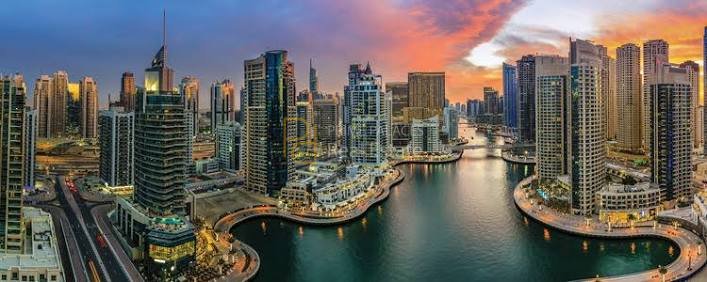
O'tgan asrning ko'p qismini Birlashgan Arab Amirliklari dunyoga bir narsa bilan tanilgan edi: neft. 2026 yilda boshqacha hikoya shakllanmoqda. Abu Dabi toza energiya kompaniyasi Masdar, tinchlik bilan oltita qit'ada quyosh fermalari, shamol loyihalari va batareya zavodlarini qurmoqda va uning so'nggi harakati ambitsiyaning qanchalik uzoqqa yetayotganini ko'rsatadi. Fransiyaning energiya giganti TotalEnergies bilan yangi $2.2 milliardlik hamkorlik to'qqizta Osiyo mamlakatida qayta tiklanadigan energiyani tarqatadi. Bu yashil texnologiyaning Birlashgan Arab Amirliklarining jiddiy eksportlaridan biriga aylanganining aniq belgisi, nafaqat ichki loyiha.
Bitim nima bilan bog'liq, uning ahamiyati va Birlashgan Arab Amirliklarining qayerga borayotganini bizga nima aytishini ko'ring.
Asosiy Bitim: Osiyoda $2.2 milliard
2026 yil aprelida Masdar va TotalEnergies $2.2 milliardlik 50/50 qo'shma korxona yaratish uchun majburiy kelishuv imzoladilar. G'oya oddiy, lekin ambitsiyali. Ikkala kompaniya o'zlarining quruqlikdagi qayta tiklanadigan energiya faoliyatlarini to'qqizta Osiyo bozorida bitta platformaga birlashtirmoqda, so'ngra ushbu birlashgan kuchdan ko'proq qurish uchun foydalanmoqda.
To'qqizta mamlakatlar: Ozarbayjon, Indoneziya, Yaponiya, Qozog'iston, Malayziya, Filippin, Singapur, Janubiy Koreya va O'zbekiston. Ular bo'ylab, ushbu loyiha quyosh fermalari, shamol loyihalari va batareya saqlashni rivojlantiradi, quradi, egalik qiladi va boshqaradi. Bu allaqachon ishga tushirilgan taxminan 3 gigavattlik loyihalar bilan boshlanadi, shuningdek, 2030 yilga qadar ishga tushishi kerak bo'lgan yana 6 gigavattlik rivojlanish jarayonida. Buni tushunish uchun, bu millionlab uylarni quvvatlash uchun etarli rejalashtirilgan quvvatdir.
Qiziqarli tomoni shundaki, yangi kompaniya Parij yoki Tokioda emas, balki Abu Dabi, Abu Dabi Global Market moliya markazida joylashadi va ikkala hamkordan 200 atrofida odamdan iborat jamoa bilan ishlaydi. Bitim hali to'liq yopilishidan oldin odatiy tartibga solish tasdiqlarini talab qiladi, lekin yo'nalish belgilangan.
Nima uchun Osiyo, va Nima uchun Hozir
Osiyoni tanlash tasodif emas. Ushbu mintaqa bu o'n yillikda o'sib borayotgan elektr energiyasi talabining eng katta haydovchisi bo'lishi kutilmoqda. Iqtisodiyotlar kengaymoqda, aholi shaharlashtirilmoqda va energiyaga bo'lgan talab oshmoqda. Bu talabni qondirish uchun kimdir ta'minot qurishi kerak va tobora ko'proq bu kimdir, qisman, Fors ko'rfazidan boshqariladigan hamkorlikdir.
Masdar va TotalEnergies raqobatlashish o'rniga hamkorlik qilib, tezroq harakat qilishlari va har biri yolg'iz amalga oshira oladiganidan katta loyihalarni olishlari mumkin. Ular har biri ushbu loyihaga taxminan teng qiymatdagi aktivlarni olib keladi va har biri o'z-o'zidan qiyin bo'lgan bozorlarida kuchliroq o'rin egallaydi. Ayniqsa, Masdar uchun bu yuqori o'sish bozorlariga diversifikatsiya qilish va uzoq muddatli investitsiya haqida bir xil fikrga ega bo'lgan hamkorni jalb qilishning bir usuli.
Bu Bir Bitimdan Katta
Osiyo loyihasi sarlavhalarni tortadi, lekin bu aslida ancha katta hikoyaning bir bobidir. Masdar 2006 yilda tashkil etilgan, toza energiya mashhur bo'lishidan ancha oldin va u deyarli ikki o'n yillik davomida tinchlik bilan qurdi. Bugungi kunda uning portfeli oltita qit'ada tarqalgan 65 gigavattdan ortiq loyihalarni o'z ichiga oladi, jumladan, yer yuzidagi eng tez o'sayotgan energiya bozorlaridan ba'zilari.
Va u sekinlashmayapti. Kompaniya 2030 yilga qadar 100 gigavatt quvvatga erishishni maqsad qilib qo'ygan. U Abu Dabi ning uchta og'ir vaznli institutlari, TAQA, ADNOC va Mubadala tomonidan boshqariladi, bu esa unga global miqyosda o'ylash uchun moliyaviy kuch beradi. Osiyo bitimi, Markaziy Osiyodagi loyihalar va Kavkaz, Evropada, Afrikada va Amerikada olib borilayotgan ishlar: bularning barchasi Birlashgan Arab Amirliklari kompaniyasining haqiqatan ham global miqyosda harakat qilayotganini ko'rsatadi.
Neft Kapitalidan Toza Energiya Eksportchisiga
Bu osonlik bilan e'tibordan chetda qolishi mumkin. O'nlab yillar davomida Fors ko'rfazi va energiya haqida suhbatlar yer ostidan chiqadigan narsalar haqida edi. Masdar hikoyasi buni teskari qiladi. Bu yerda Birlashgan Arab Amirliklaridan bir kompaniya qayta tiklanadigan energiya sohasida tajriba, kapital va texnologiya eksport qilmoqda va boshqa mamlakatlar kelajakda tayanadigan infratuzilma qurmoqda.
Bu muhim o'zgarish. Bu Birlashgan Arab Amirliklarini energiya o'tishida omon qolishga harakat qilayotgan mamlakat sifatida emas, balki uni boshqarishga yordam berayotgan mamlakat sifatida joylashtiradi. Toza energiya mamlakatning dunyoga sotadigan mahsulotiga aylangan, bir vaqtlar neft sotganidek. Gidrokabonlar bilan ko'pincha ta'riflangan bir xalq uchun bu maqsadli va juda jasur qayta ixtiro.
Megavattlardan Naridan Nima Anglatadi
Bunday bitimlar xarita ustiga quyosh panellarini qo'shishdan ko'proq narsani amalga oshiradi. Ular Abu Dabi ning global energiya yetakchiligidagi o'sib borayotgan obro'sini mustahkamlashadi va iste'dod, kapital va qaror qabul qilish jarayonlarini Birlashgan Arab Amirliklariga jalb qiladi. Bunday kattalikdagi hamkorlik Abu Dabi dan boshqarilishi, faqat moliyalashtirilishi emas, mamlakatning o'zini qanday ko'rishi haqida ko'p narsani aytadi.
Birlashgan Arab Amirliklarini investitsiya qilish, biznes qurish yoki joylashish joyi sifatida kuzatayotgan har kim uchun bu tanish naqshning bir qismi. Mamlakat doimo kelajakni ko'zlagan sanoatlarni qo'llab-quvvatlaydi, global hamkorlarni jalb qiladi va o'zini nafaqat pul manbai sifatida, balki markazga aylantiradi. Toza energiya bu strategiyaning qanday qilib foyda keltirayotganining eng aniq misollaridan biridir.
Agar Siz Birlashgan Arab Amirliklariga Qarayotgan Bo'lsangiz
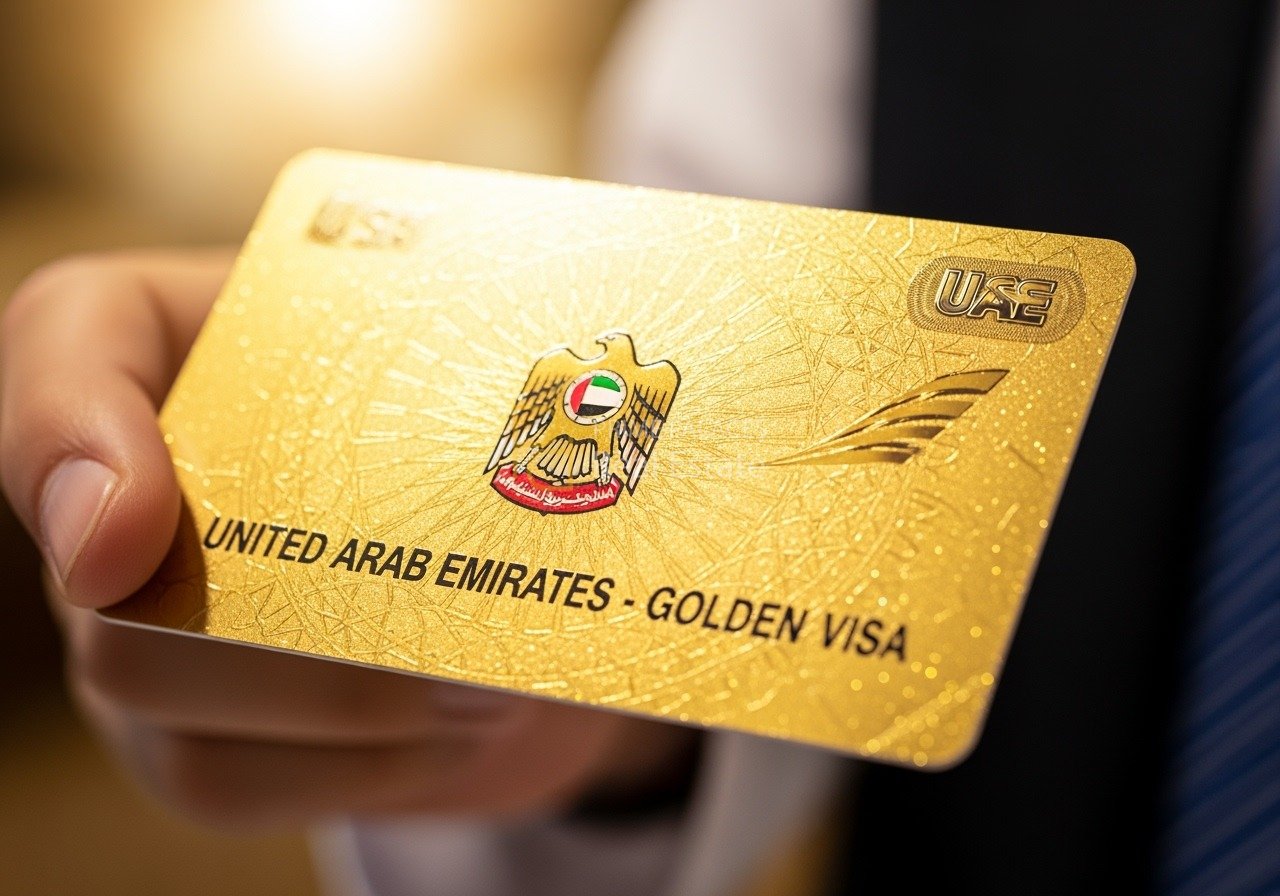
Masdar hikoyasi kabi hikoyalar, investorlar va tadbirkorlar uchun Birlashgan Arab Amirliklariga jalb qilinayotgan sabablarni eslatib turadi. Barqaror, ambitsiyali iqtisodiyot, uzoq muddatli investitsiya qiladigan hukumat, dollar bilan bog'langan valyuta va shaxsiy daromad yoki kapital daromad solig'i yo'qligi bularning barchasi jozibador asos yaratadi. O'z ildizlarini qo'yishni xohlaganlar uchun, malakali investitsiya Birlashgan Arab Amirliklari Oltin Visa eshigini ochishi mumkin, bu sizga va oilangizga kelajak uchun qurayotgan mamlakatda uzoq muddatli, yangilanadigan yashash huquqini beradi.