Gretsiyada Ko'chmas Mulkka Sarmoya Kiritish muammoli, tiklanish bilan bog'liq bozor holatidan kapital oqimi bilan boshqariladigan sarmoya muhitiga o'tdi, bu strukturaviy talab, narxlarni qayta baholash va xalqaro xaridorlar faoliyati bilan qo'llab-quvvatlanadi.
Asosiy sarmoya holati uchta omilga asoslangan: Yevropa Ittifoqi ichidagi nisbiy narx afzalligi, uzluksiz xorijiy talab va joyga xos ta'minot cheklovlari. G'arbiy Yevropa bozorlariga nisbatan Gretsiya hamon shahar va qirg'oq segmentlarida pastroq kirish narxlarini taklif etadi, shu bilan birga yevrozonaning barqarorligi va iqtisodiy asoslarning yaxshilanishidan foyda ko'radi.
Bozor pozitsiyalashuvi nuqtai nazaridan, Gretsiya endilikda faqatgina imkoniyatlardan foydalanish o'yini emas. Afina, Afina Rivyerasi va tanlangan orol bozorlarida narx oshishlari haqiqiy talab bilan qo'llab-quvvatlanadigan o'sishdan barqarorlik bosqichiga o'tdi, bu esa birinchi darajali qirg'oq zonalari va markaziy tumanlarda cheklangan rivojlanish imkoniyatlari bilan aniq ko'rinadi.
Talab omillari xilma-xildir. Bozor xalqaro investorlar, ikkinchi uy xaridorlari va rezidentlikka yo'naltirilgan kapitalni jalb qiladi, shuningdek ichki talab tiklanishi bilan birga. Turizm muhim mintaqalarda qisqa muddatli ijaraga ta'sir va uzoq muddatli aktivlar jozibadorligini ta'minlaydigan strukturaviy qo'llab-quvvatlash qatlamini davom ettirmoqda.
Bir vaqtning o'zida, ta'minot yuqori talabli hududlarda cheklangan. Rejalashtirish cheklovlari, qirg'oq zonalarida cheklangan yer mavjudligi va sekin rivojlanish tsikllari mavjud inventarizatsiyaga bosim o'tkazadi. Ta'minot va talab o'rtasidagi bu muvozanatsizlik yaxshi tanlangan joylarda ijaraga olingan daromadlar va kapitalning oshishini qo'llab-quvvatlaydi.
Gretsiya Oltin Visa dasturi qo'shimcha talab qatlamini qo'shadi, ammo uni asosiy sarmoya nazariyasi sifatida ko'rmaslik kerak. Asosiy hududlarda oshirilgan talablar kabi tartibga solish o'zgarishlari spekulyativ oqimlarni nazorat qilish va muhim bozorlarni himoya qilishga o'tishni ko'rsatadi. Natijada, Gretsiyada Ko'chmas Mulkka Sarmoya Kiritadigan investorlar aktivlarni asosiy omillar asosida baholashlari kerak, faqatgina rezidentlikka asoslangan talabga tayanmasdan.
Sarmoya strategiyasi nuqtai nazaridan, Gretsiya bir nechta kirish nuqtalarini taklif etadi. Pastroq talablar qayta joylashtirish yoki ikkinchi bozor aktivlariga kirishni ta'minlaydi, yuqori talablar esa birinchi darajali, likvidlikka asoslangan joylarga kirishni ta'minlaydi. Asosiy o'zgaruvchi mamlakatning o'zi emas, balki unda kapital qanday va qayerda joylashtirilganidir.
Xavf omillari ham hisobga olinishi kerak. Bunga tartibga solish o'zgarishlari, joyga xos likvidlik o'zgarishlari va qayta rivojlantirish loyihalaridagi aktiv darajasidagi ijro xavflari kiradi. Daromadlar mikro-joylashuv tanloviga, aktiv sifatiga va haqiqiy talabga mos kelishiga juda bog'liq.
Amaliy jihatdan, Gretsiya ko'chmas mulki daromad potentsiali va kapital o'sishi muvozanatini ta'minlagan holda Yevropa Ittifoqi asosidagi aktivlarga sarmoya kiritishni istagan investorlar uchun eng yaxshi joylashuvga ega, agar sarmoyalar bozor segmentatsiyasi va tartibga solish tizimini aniq tushunish bilan tuzilgan bo'lsa. Umuman olganda, Gretsiyada Ko'chmas Mulkka Sarmoya Kiritish uzoq muddatli Yevropa ko'chmas mulk sarmoyasi uchun strategik variant bo'lib qolmoqda.
Gretsiyada ko'chmas mulkka sarmoya kiritishni ko'rib chiqayotganda, joylashuv daromadlar, ijaraga talab va uzoq muddatli qiymat o'sishiga ta'sir qiluvchi eng muhim omillardan biridir.
Afina - Afina asosiy sarmoya markazi bo'lib, kuchli ijaraga talab, shaharni qayta tiklash loyihalari va yil davomida barqaror faoliyatni taklif etadi.
Afina Rivyerasi - hashamatli rivojlanishlar, suv bo'yidagi mulklar va yuqori daromadli xalqaro talab bilan tanilgan premium qirg'oq zonasi.
Selanik - Barqaror ijaraga daromadlar va nisbatan arzon kirish narxlari bilan o'sib borayotgan talabalar va biznes shahri.
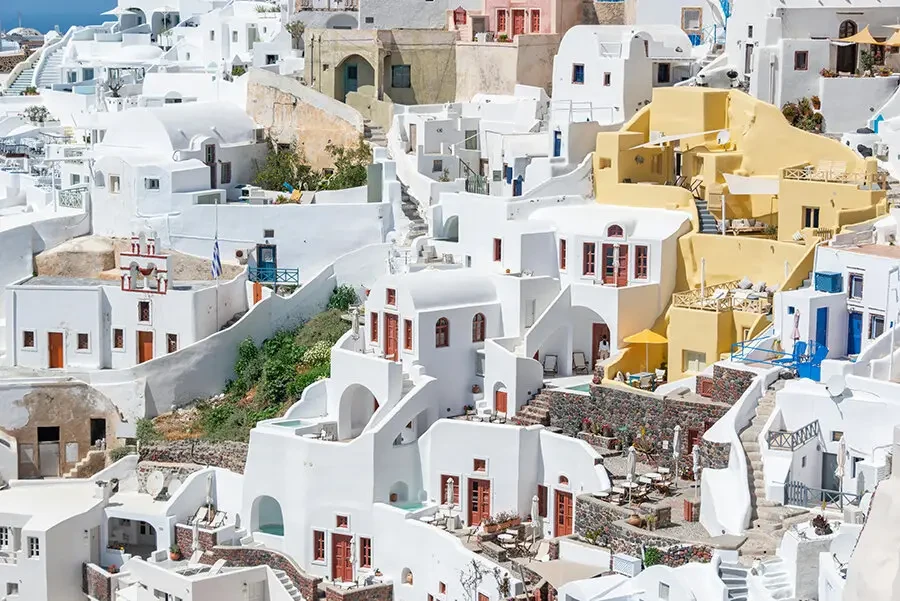
Gretsiya Orollari - Mikonos va Santorini kabi manzillar turizmga asoslangan qisqa muddatli ijaralar va hashamatli turmush tarziga sarmoya kiritish uchun mashhur.
Umuman olganda, Gretsiyada ko'chmas mulkka sarmoya kiritish investor maqsadlariga qarab shahar, qirg'oq va orol bozorlarida xilma-xil imkoniyatlarni taklif etadi.