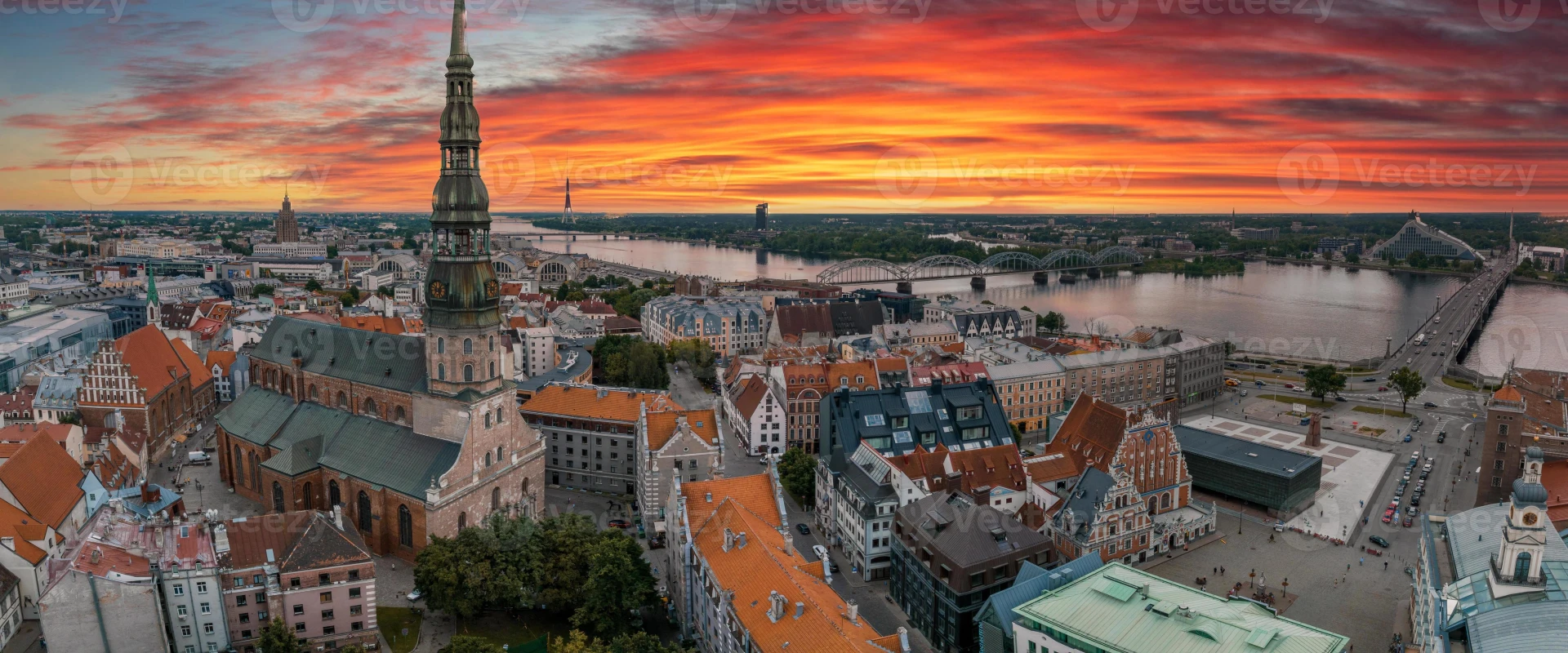
Latviya'da mulk sotib olish ko'plab Evropa bozorlariga nisbatan nisbatan oddiydir, ayniqsa, yashash uchun ko'chmas mulk uchun. Chet el xaridorlariga odatda kvartiralar, uylar va tijorat mulklarini to'liq mulk huquqlari bilan sotib olishga ruxsat beriladi. Tizim Yer Reestri (Zemesgrāmata) atrofida qurilgan bo'lib, bu mulk huquqi, yuklamalar va tranzaksiya tarixining huquqiy aniqligini ta'minlaydi. Biroq, bu shaffoflikka qaramay, jarayon huquqiy qadamlarni qat'iy rioya qilishni talab qiladi va har bir bosqich ehtiyotkorlik bilan bajarilishi kerak, kelajakdagi xavflardan qochish uchun.
Jarayon mulk tanlash bilan boshlanadi, bu erda xaridor joylashuv, byudjet va investitsiya strategiyasiga asoslanib mos aktivni aniqlaydi. Latviya'da, bu qadam sotib olinayotgan mulk turini tushunish bilan yaqin bog'liq, chunki ba'zi mulklar umumiy mulk tuzilmalari yoki yer foydalanish cheklovlarini o'z ichiga olishi mumkin. Mulk tanlangandan so'ng, eng muhim bosqich tekshirishdir. Bu Yer Reestrida mulk huquqini tasdiqlash, mulk bilan bog'liq hech qanday qarz yoki huquqiy da'volar yo'qligini tasdiqlash va jismoniy joylashuvning ro'yxatga olingan kadastr ma'lumotlariga mos kelishini ta'minlashni o'z ichiga oladi. Ushbu bosqichdagi har qanday nomuvofiqlik sotib olishdan keyin xaridorning mas'uliyatiga aylanadi.
Tekshirishdan so'ng, tranzaksiya odatda rezervatsiya yoki oldindan kelishuv bosqichiga o'tadi. Ko'plab hollarda, huquqiy tekshiruvlar yakunlanganda mulkni ta'minlash uchun taxminan 5–10% miqdorida depozit to'lanadi. Rasmiy sotib olish shartnomasi Latviya notari oldida imzolanadi, bu tranzaksiyaning huquqiy jihatdan amal qilishi uchun majburiy qadamdir. To'lov odatda escrow yoki nazorat qilinadigan o'tkazmalar orqali tuziladi, bu esa mablag'lar faqat huquqiy shartlar bajarilganda chiqarilishini ta'minlaydi. Mulk faqat Yer Reestrida ro'yxatga olingandan so'ng o'tkaziladi, bu odatda bir-ikki hafta davom etadi va huquqiy mulkni tasdiqlovchi oxirgi tasdiq sifatida xizmat qiladi.
Sotib olish narxidan tashqari, xaridorlar tranzaksiya xarajatlarini hisobga olishlari kerak. Yer Reestri to'lovi odatda mulk qiymatining 2% atrofida bo'ladi, notarius va huquqiy xarajatlar esa boshqa Yevropa Ittifoqi bozorlariga nisbatan nisbatan o'rtacha. Yillik mulk solig'i ham amal qiladi va mulk turiga va munitsipalitetga qarab farq qiladi, odatda 0.2% dan 3% gacha bo'ladi. Ushbu xarajatlar umumiy investitsiya hisob-kitobiga kiritilishi kerak, ikkinchi darajali xarajatlar sifatida emas.
Strategik nuqtai nazardan, bir nechta omillar Latviya'da mulk sotib olish muvaffaqiyatiga ta'sir qiladi. Joylashuv markaziy rol o'ynaydi, Riga eng kuchli ijaraga talab va likvidlikni taklif etadi, Jurmala yoki shahar atrofidagi tumanlar esa ko'proq turmush tarziga yo'naltirilgan xaridorlarga xizmat qiladi. Yana bir muhim omil kadastr qiymati va bozor qiymati o'rtasidagi munosabatdir, bu soliq va ruxsatnoma bilan bog'liq dasturlarga mos kelishni ta'sir qilishi mumkin. Bundan tashqari, mulkning huquqiy holati, jumladan, qurilish qoidalariga muvofiqlik va ruxsatsiz o'zgartirishlarning yo'qligi ehtiyotkorlik bilan tekshirilishi kerak.
Latviya'dagi mulklar mamlakatning ko'chmas mulk asosidagi ruxsatnoma tizimida ham muhim bo'lishi mumkin. €250,000 yoki undan yuqori narxda sotib olish ruxsatnoma olish uchun ko'rib chiqilishi mumkin, agar qo'shimcha huquqiy talablar bajarilsa, jumladan kadastr qiymati chegaralari va davlat to'lovi hissasi. Biroq, mulk egasi bo'lish orqali ruxsatnoma avtomatik ravishda berilmaydi. Moslik aniq birlik, tranzaksiya tuzilishi va immigratsiya qoidalariga muvofiqlikga bog'liq bo'lib, har doim alohida-alohida baholanishi kerak.
Investitsiya nuqtai nazaridan, Latviya Yevropa ko'chmas mulk bozoriga kirish uchun barqaror va qulay nuqtani taklif etadi. Narxlar G'arbiy Yevropaga nisbatan pastroq bo'lib qolmoqda, huquqiy tizim esa kuchli mulk himoyasini ta'minlaydi. Riga'dagi ijaralar o'rtacha va odatda uzoq muddatli daromad strategiyalari uchun mos bo'lib, qisqa muddatli spekulyativ foyda uchun emas. Bozor tez narx oshishi bilan emas, balki mahalliy talab va struktural omillar tomonidan boshqariladi, bu esa barqarorlikni izlayotgan investorlar uchun mos keladi.
Xulosa qilib aytganda, Latviya'da mulk sotib olish aniq va huquqiy jihatdan belgilangan jarayon, lekin bu intizomli bajarishni talab qiladi. To'g'ri tekshirish, huquqiy tuzilmalarni tushunish va aktivni to'g'ri joylashtirish muhimdir. To'g'ri yondashilganda, bozor Yevropa Ittifoqi ichida arzonlik, huquqiy xavfsizlik va uzoq muddatli investitsiya imkoniyatlarining muvozanatli kombinatsiyasini taklif etadi.