
Umm Al Quwain Təbiyyəti: BƏƏ-nin Ən Az Qiymətləndirilən Sahil Ekosistemi
Umm Al Quwain-in təbii mənzərəsi onun ən fərqləndirici və az qiymətləndirilən güclərindən biridir. BƏƏ-nin çoxu sürətli şəhər genişlənməsi ilə əlaqələndirilərkən, UAQ öz orijinal sahil və dəniz mühitinin böyük bir hissəsini qoruyub saxlamışdır. Bu, yalnız investisiya və ya yaşamaq üçün bir yer deyil, eyni zamanda təbiətin hələ də emirliyin kimliyini müəyyən etdiyi bir mühit olaraq unikal bir mövqeyə səbəb olur.
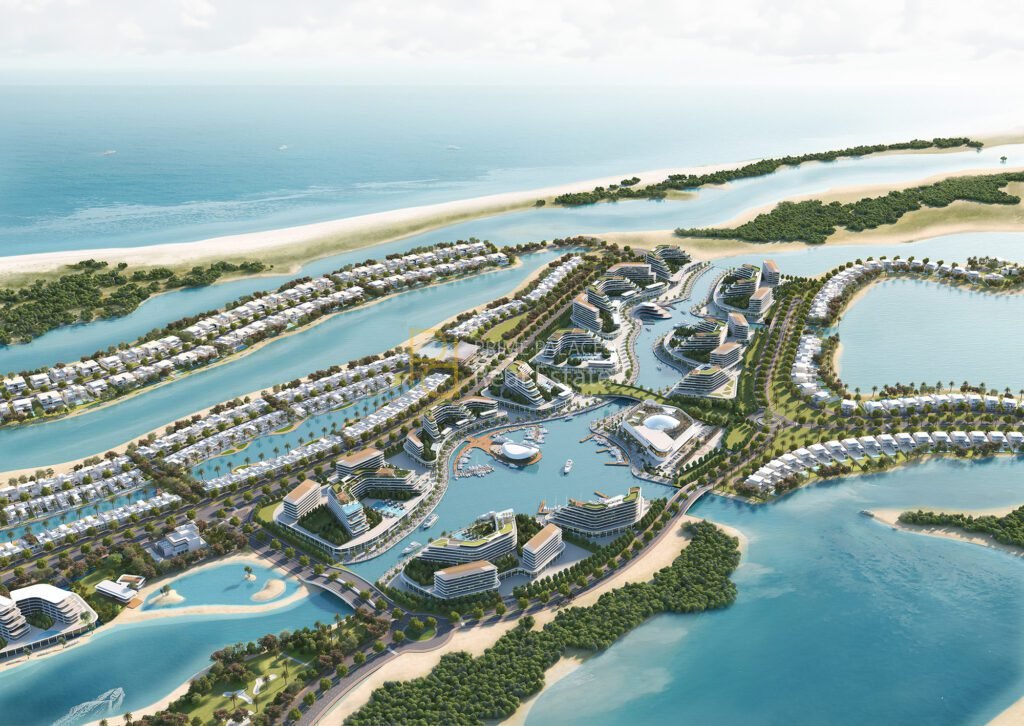
Bu ekosistemin mərkəzində mangrovlar və sahil lagünləri var. Bu təbii formalar yalnız vizual cəhətdən cəlbedici deyil, həm də ekoloji baxımdan əhəmiyyətlidir. Mangrovlar sahil eroziyasına qarşı təbii baryerlər kimi fəaliyyət göstərir və geniş bir dəniz və quş növləri üçün yaşayış yerləri təmin edir. UAQ-da bu ekosistemlər əsasən toxunulmamış qalır, bölgədə getdikcə nadir olan ekoloji davamlılıq səviyyəsini təklif edir.
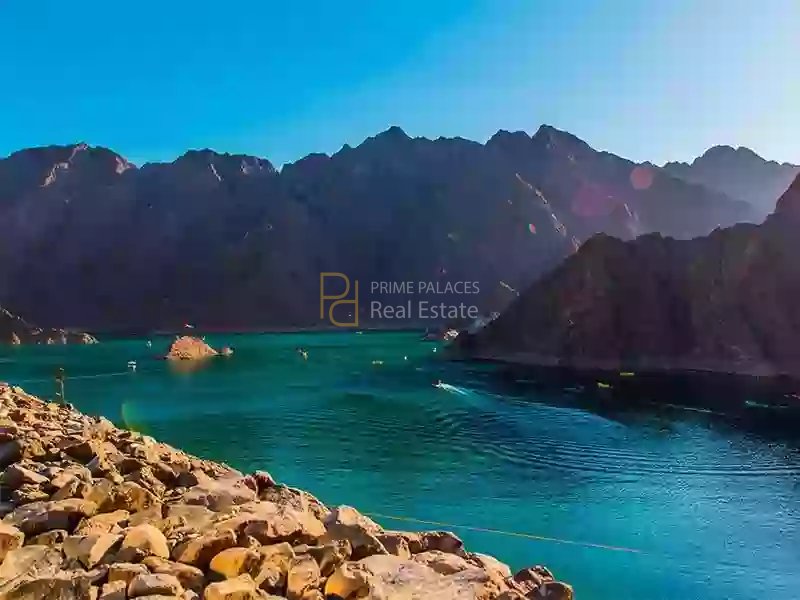
Emirliyin sahili Ərəb Körfəzi-nin sakit sularında uzanır və Dubai-dəki çimərliklərdən daha az ticarətə açıq olan təbii çimərliklər təqdim edir. Bu, daha sakit, daha orqanik bir sahil təcrübəsi yaradır. Sahilin geniş hissələrində sıx yüksək binaların olmaması kesintisiz mənzərələr, açıq sahə və təbii mühitlə daha yaxın əlaqə təmin edir.
Siniya Adası kimi adalar emirliyin ekoloji profilini daha da artırır. Bu sahələr bataklıqlar, vəhşi həyat yaşayış yerləri və mühafizə olunan zonalar ilə xarakterizə olunur ki, bu da bioloji müxtəlifliyi dəstəkləyir. Flamingolar, miqrasiya edən quşlar və dəniz həyatı tez-tez müşahidə edilir, bu da UAQ-nın BƏƏ-də təbii sığınacaq kimi reputasiyasını gücləndirir. Bu mühitlər yalnız ekoloji baxımdan əhəmiyyətli deyil, həm də davamlılıq və aşağı təsirli yaşayışa vurğu edən diqqətlə planlaşdırılmış inkişaflara inteqrasiya edilməyə başlayır.
Umm Al Quwain təbiətinin başqa bir müəyyənedici cəhəti onun aşağı sıxlıqda mənzərəsidir. Həddindən artıq inkişafın olmaması təbii elementlərin görünməsini və əlçatan olmasını təmin edir. Açıq torpaq, çöl uzantıları və sahil yaşıllığı daha çox tikilmiş emirliklərdə təkrarlamaq çətin olan bir şəkildə bir arada mövcuddur. Bu, məkan, sakitlik və ekoloji inteqrasiya prioritet olan fərqli bir yaşayış mühiti yaradır.
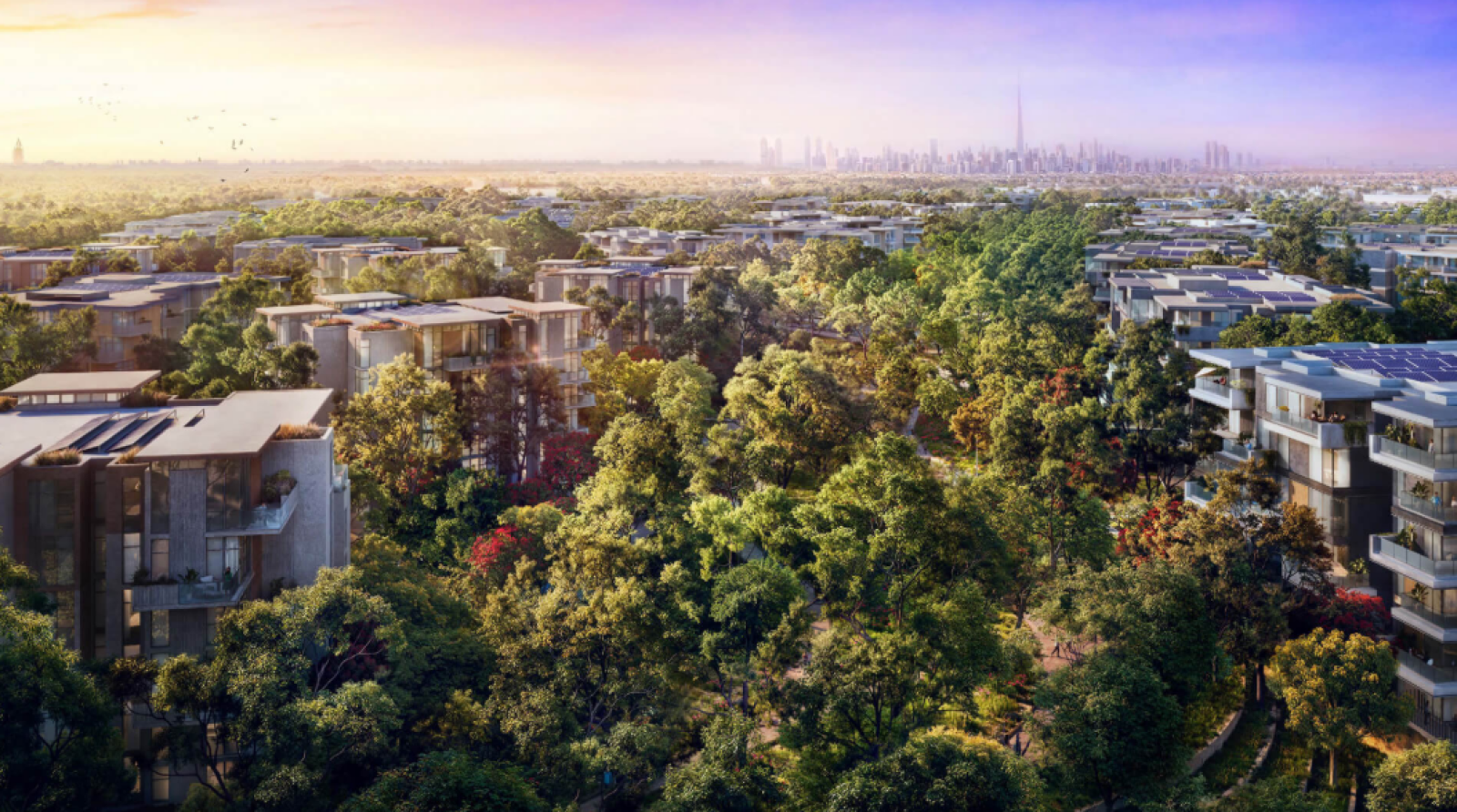
Geniş bir perspektivdən, UAQ-nın təbii mühiti onun gələcək inkişaf strategiyası üçün getdikcə daha əhəmiyyətli olur. Sağlamlıq yönümlü yaşayış, sahil icmaları və təbiətlə inteqrasiya olunmuş dizayn üçün tələbat artdıqca, emirliyin qorunan ekosistemləri əsas rəqabət üstünlüyü halına gəlir. Regionda ortaya çıxan layihələr bu elementləri daxil etməyə başlayır, təbiəti yalnız bir arxa plan xüsusiyyəti deyil, həyat tərzi və planlaşdırmanın mərkəzi komponenti olaraq yerləşdirir.
Sürətli, Dubai-nin şəhər kimliyi və ya Abu Dabi-nin strukturlu mədəni mənzərələri ilə müqayisədə, Umm Al Quwain tamamilə fərqli bir şey təklif edir. Bu, inkişaf və təbiətin hələ də balansda olduğu, təbii mühitin həm həyat tərzini, həm də investisiya potensialını formalaşdırmada aktiv rol oynadığı bir yerdir.
Nəticədə, Umm Al Quwain-in təbii mənzərəsi yalnız bir ekoloji xüsusiyyət deyil, eyni zamanda strateji bir aktivdir. Bu, emirliyin kimliyini müəyyən edir, onun uzunmüddətli inkişaf istiqamətini dəstəkləyir və BƏƏ-də daha köklü, təbiətlə əlaqəli bir təcrübə axtaranlar üçün nadir bir alternativ təqdim edir.