





The Biggest Real Estate Shift in Dubai Is Happening Right Now
For years, Dubai's property market was often associated with luxury towers, waterfront villas and off-plan launches.
Today, something much bigger is happening.
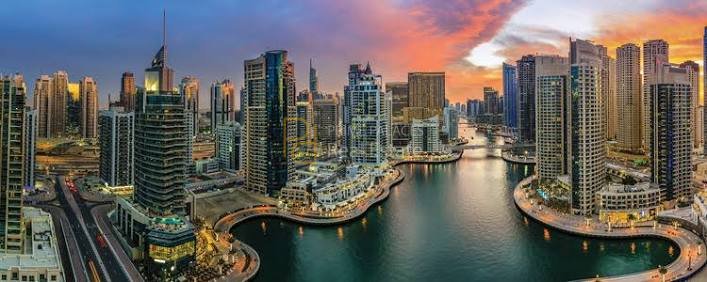
Dubai is no longer simply expanding its skyline—it is reshaping how the city grows. Infrastructure, population growth, new business districts, transport networks and government-led economic strategies are creating a new phase of the real estate market.
For investors, this shift is changing where opportunities are emerging, what buyers are looking for and how long-term value is being created.
In this guide, we explore why Dubai's real estate market is entering a new era and what this means for homeowners and investors.
Important Note
Real estate markets are influenced by many factors, including economic conditions, government policies, supply, demand and infrastructure development. Investors should always conduct independent legal and financial due diligence before making investment decisions.
Dubai Is Growing Beyond Its Traditional Centres
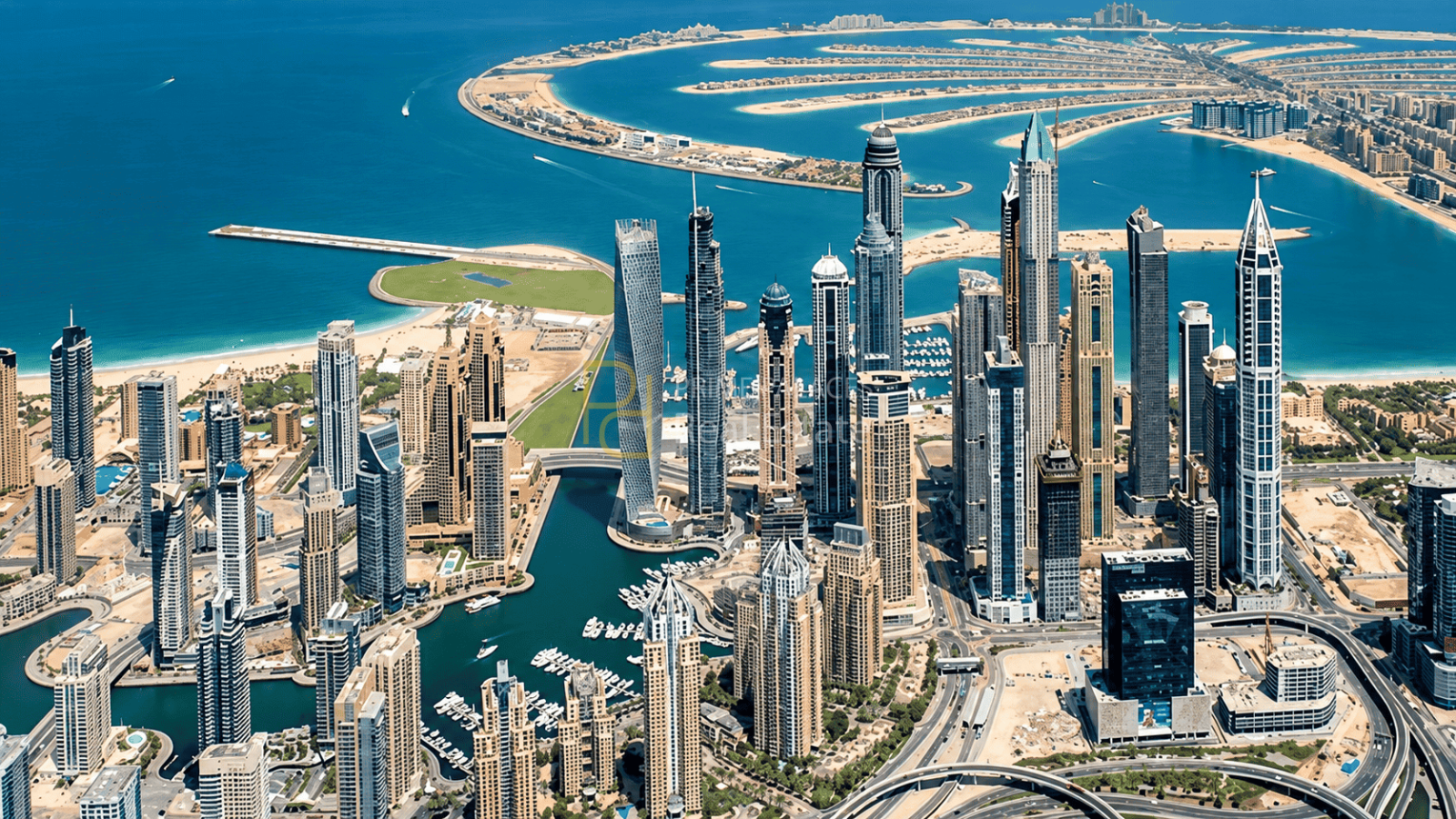
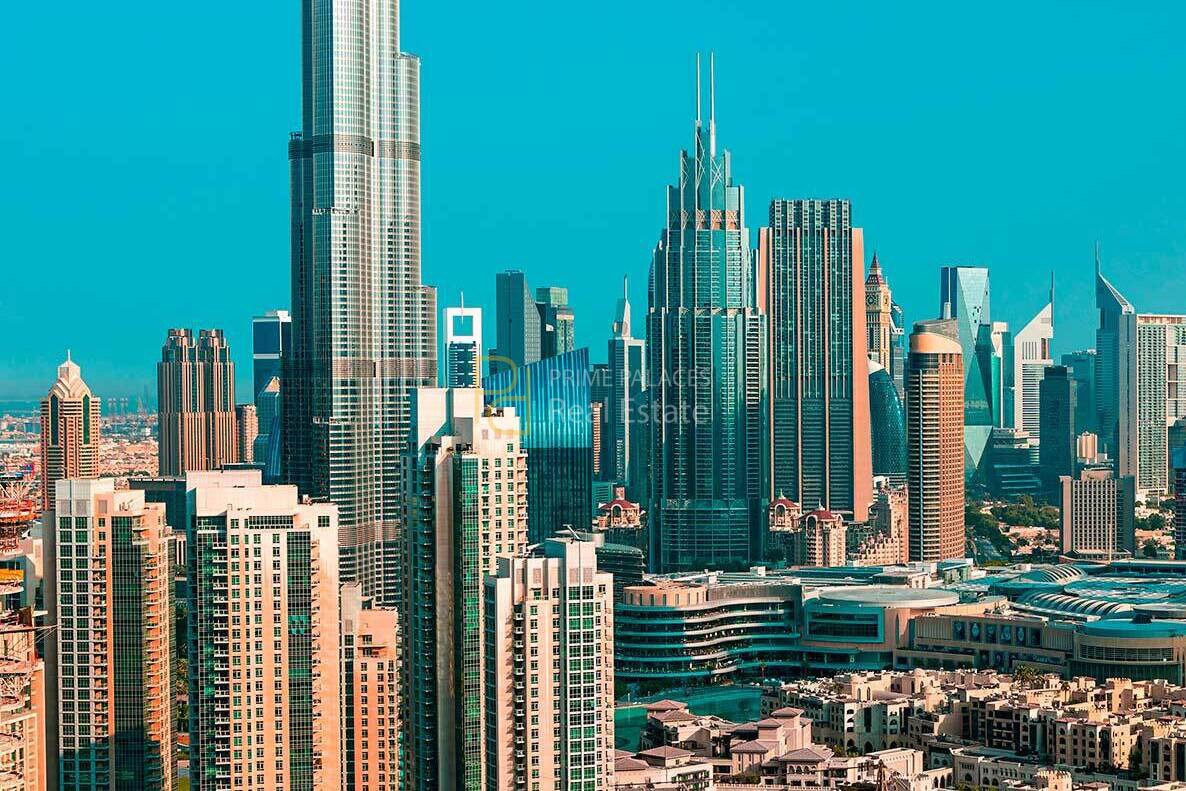
For decades, areas such as Downtown Dubai, Dubai Marina and Palm Jumeirah dominated the market.
While these communities remain among Dubai's most desirable addresses, the city's future growth is becoming more geographically diverse.
Major Investments Are Now Extending Into Areas Such As
Dubai South
Expo City Dubai
Palm Jebel Ali
Dubai Islands
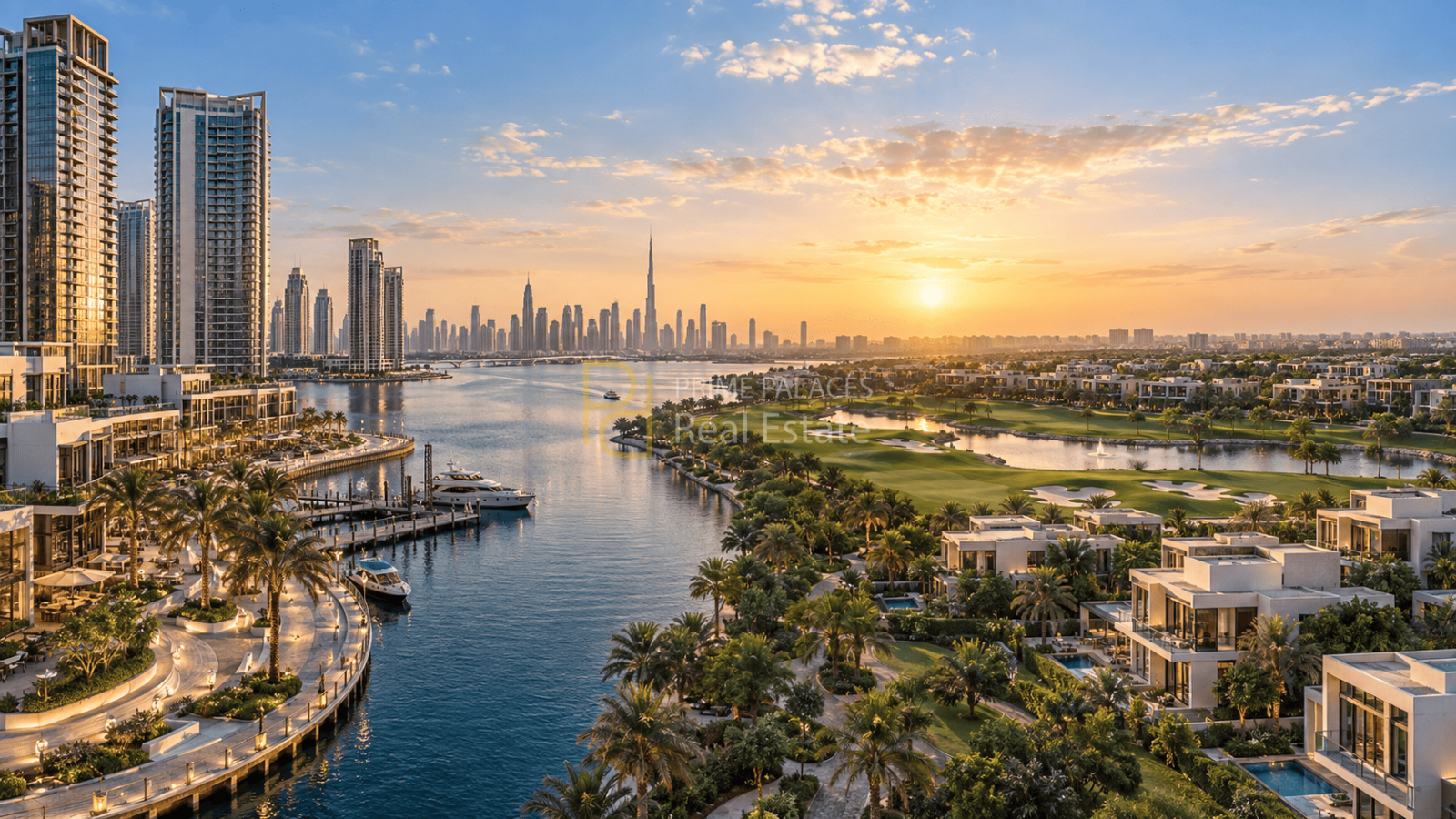
Dubai Creek Harbour
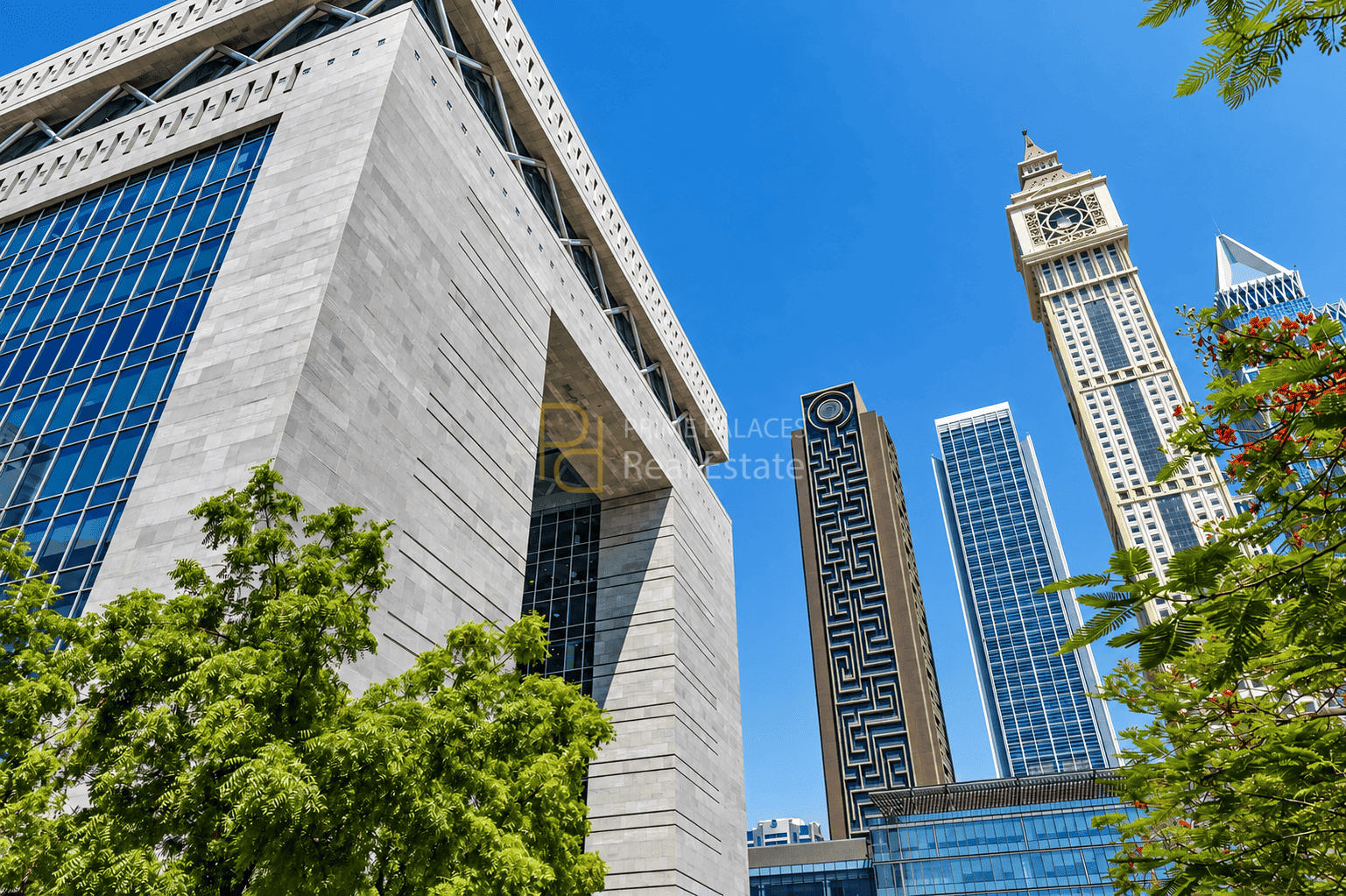
Dubai Design District
Rather than relying on one central business district, Dubai is developing multiple interconnected urban centres aligned with the Dubai 2040 Urban Master Plan.
Population Growth Is Driving Housing Demand
One of the strongest forces behind Dubai's property market is population growth.
As more professionals, entrepreneurs, investors and families relocate to the emirate, demand for housing continues to expand across both ownership and rental markets.
Industry forecasts suggest Dubai's resident population could approach 4.7 million by the end of 2026, increasing the need for homes, schools, healthcare facilities and supporting infrastructure.
Unlike previous market cycles that relied heavily on speculative buying, today's demand is increasingly supported by people choosing to live and work in Dubai.
Record Numbers Show Continued Investor Confidence
Dubai Land Department data demonstrates that investor confidence remains strong.
During the First Quarter of 2026
Property transactions reached AED 252 billion
Investment value reached AED 173 billion
More than 57,000 investments were recorded
29,312 new investors entered the market
These figures suggest that international interest in Dubai continues despite changing global economic conditions.
The market is no longer attracting only luxury buyers. Investors now range from first-time purchasers to institutional investors and global family offices.
Infrastructure Is Becoming the Biggest Driver
Infrastructure has always played an important role in Dubai's success.
Today, Projects Such As
Al Maktoum International Airport
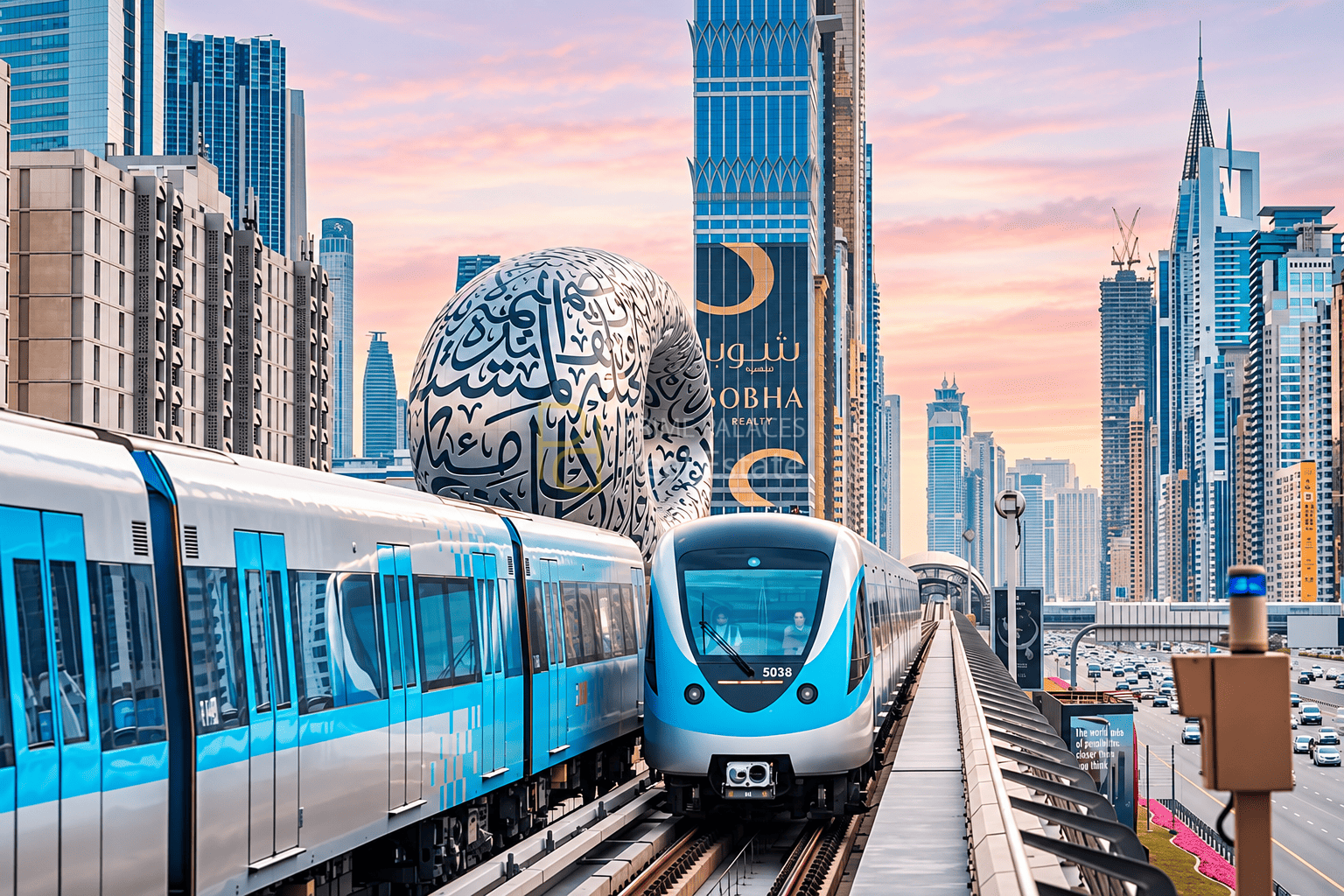
Dubai Metro Blue Line
Expo City Dubai
Palm Jebel Ali
Dubai Islands
are creating entirely new growth corridors across the city.
These developments are expected to improve connectivity, generate employment, support tourism and increase residential demand over the coming years.
For long-term investors, infrastructure often creates opportunities before surrounding communities fully mature.
Off-Plan Is Evolving
Off-plan property continues to account for a significant share of Dubai's transactions, but buyer behaviour has become more sophisticated.
Today's Investors Are Placing Greater Emphasis On
Developer reputation
Community masterplans
Infrastructure delivery
Construction progress
Payment flexibility
Long-term rental demand
Rather than purchasing solely because a project is new, buyers are increasingly evaluating how each development fits into Dubai's broader urban strategy.
Lifestyle Has Become an Investment Factor
The definition of a successful community has changed.
Modern Buyers Increasingly Prioritise
Walkability
Green spaces
Schools
Healthcare
Retail
Public transport
Wellness facilities
Mixed-use environments
Communities that combine these features often attract stronger owner-occupier demand, which can support long-term market stability.
Developers are responding by creating integrated neighbourhoods rather than isolated residential towers.
International Buyers Continue to Shape the Market
Dubai remains one of the world's most international property markets.
The City Continues Attracting Buyers From
Europe
The GCC
South Asia
East Asia
Africa
North America
Several Factors Contribute to This Demand
Long-term residency options
No annual property tax
No personal income tax
Global connectivity
Business-friendly policies
Political and economic stability
This broad international buyer base helps diversify demand across multiple market segments.
Tourism Continues to Support Real Estate
Tourism also remains closely connected to the property market.
Dubai welcomed a record 19.59 million international overnight visitors in 2025, while hotel occupancy exceeded 80% for the year. Many visitors later become property buyers, second-home owners or long-term residents.
Strong Tourism Performance Supports Demand For
Holiday homes
Branded residences
Luxury apartments
Hotel apartments
Retail property
This creates additional momentum across the wider real estate sector.
The Shift Is About Long-Term Planning
Perhaps the biggest change is that Dubai's growth is becoming increasingly strategic.
Rather than launching isolated developments, the city is coordinating:
Economic policy
Transport
Tourism
Housing
Sustainability
Infrastructure
Initiatives such as the Dubai Economic Agenda D33 and the Dubai 2040 Urban Master Plan are designed to support long-term economic diversification, attract global talent and improve quality of life.
For investors, this creates a market that is increasingly driven by structural fundamentals rather than short-term speculation.
What Does This Mean for Investors?
The biggest opportunity today is not simply buying property in Dubai.
It Is Identifying Communities That Are Likely to Benefit From
Population growth
New transport links
Employment expansion
Lifestyle improvements
Infrastructure investment
Limited long-term supply
Investors who focus on these fundamentals may be better positioned to benefit from Dubai's next stage of growth.
Frequently Asked Questions
What Is Driving Dubai's Property Market in 2026?
Key drivers include population growth, international investment, major infrastructure projects, government economic strategies and continued global demand for Dubai real estate.
Is Dubai Still Attracting International Investors?
Yes. Dubai Land Department recorded more than 29,000 new investors during the first quarter of 2026 alone.
Which Areas Are Expected to Benefit Most?
Communities connected to major infrastructure projects including Dubai South, Expo City Dubai, Palm Jebel Ali, Dubai Islands and Dubai Creek Harbour—are among the areas attracting increasing attention.
Is Off-Plan Still Popular?
Yes, but buyers are becoming more selective, focusing on established developers, infrastructure, community quality and long-term demand rather than launch prices alone.
Conclusion
Dubai's biggest real estate shift is not about one project, one community or one record-breaking transaction.
It is the transformation of the city's entire growth model.
Population expansion, infrastructure investment, economic diversification and international demand are working together to reshape where people live, where businesses operate and where long-term property opportunities emerge.
For investors, understanding these structural changes may be more valuable than simply following the latest property launch.
The next decade in Dubai real estate is likely to be defined not only by iconic buildings but by connected communities built around long-term planning and sustainable growth.
How Prime Palaces Can Help
Prime Palaces helps buyers and investors navigate Dubai's rapidly evolving property market.
Our team provides expert insights into established communities, emerging growth corridors and new developments, helping clients make informed decisions based on market fundamentals rather than short-term trends.
Whether you're purchasing your first property or expanding an international portfolio, we can help you identify opportunities aligned with your long-term investment goals.