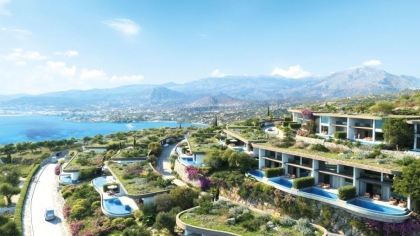



Грецияда жылжымайтын мүліктен пассивті табыс таба аласыз ба?
Неліктен Греция жылжымайтын мүлік инвесторлары үшін танымал бағытқа айналды
Соңғы онжылдықта Греция Еуропаның ең тартымды жылжымайтын мүлік нарықтарының бірі ретінде қайта пайда болды. Экономиканың қалпына келуі, рекордтық туристік ағын, шетелдік инвестициялардың артуы және халықаралық сатып алушылардың өсіп келе жатқан базасы елдің жылжымайтын мүлік секторына деген сенімділікті арттырды.
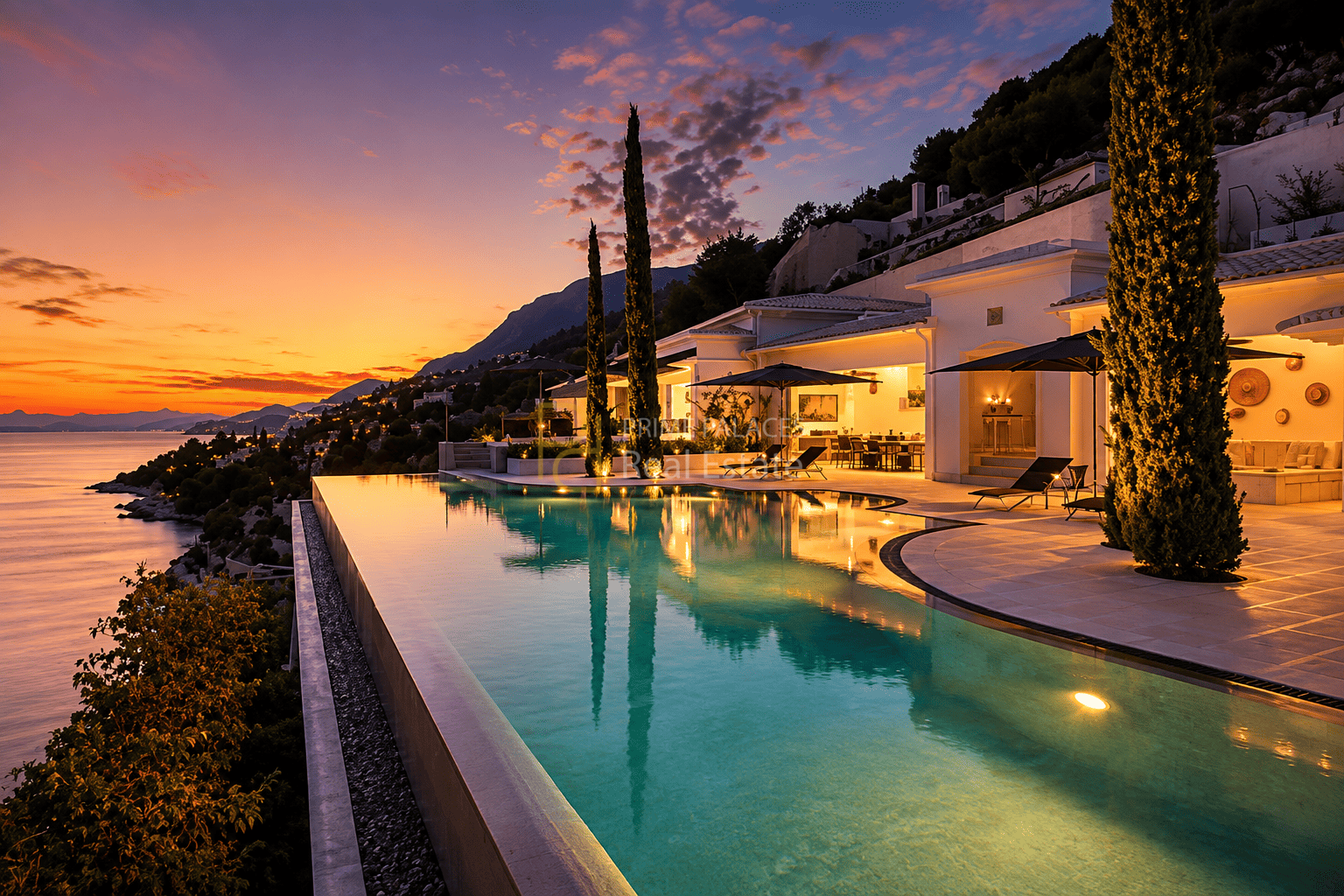
Көптеген инвесторлар үшін Грецияда жылжымайтын мүлік сатып алу тек демалыс үйіне ие болу емес. Бұл ұзақ мерзімді жалға беру, демалысқа арналған пәтерлер немесе капиталдың өсуі арқылы пассивті табыс табу, сонымен қатар Еуропаның ең тартымды бағыттарының бірінде жылжымайтын мүлік иеленудің артықшылықтарын пайдалану туралы.
Бірақ Грециядағы жылжымайтын мүлік шынымен пассивті табыс әкеле ала ма?
Жауап - иә, бірақ табыс табу үшін дұрыс орынды таңдау, жалға алу нарығын түсіну және мүмкіндіктер мен қауіптерді мұқият бағалау қажет.
Бұл нұсқаулықта біз Грецияда инвесторлардың қалай жалға алу табысын табатынын, қандай жылжымайтын мүлік түрлерінің жақсы жұмыс істейтінін және инвестиция жасаудан бұрын қандай факторларды ескеру керектігін түсіндіреміз.
Жылжымайтын мүлік арқылы пассивті табыс дегеніміз не?
Пассивті табыс - бұл инвестициядан алынатын ақша, ол орнатылғаннан кейін күнделікті қатысуды минималды түрде талап етеді.
Жылжымайтын мүлікте бұл әдетте жалға алушылардан немесе демалыс қонақтарынан алынатын жалға алу табысынан келеді.
Жылжымайтын мүлік пен орынға байланысты, инвесторлар табыс таба алады:
-
Ұзақ мерзімді тұрғын үй жалға беру
-
Қысқа мерзімді демалысқа арналған жалға беру
-
Қызмет көрсетілетін пәтерлер
-
Студенттік тұрғын үй
-
Корпоративтік жалға беру
-
Аралас пайдалану инвестициялық стратегиялары
Көптеген жылжымайтын мүлік иелері де жалға алу табысын ұзақ мерзімді капиталдың өсуімен біріктіреді, бұл инвестицияның бірнеше жолмен табыс әкелуіне мүмкіндік береді.
Неліктен Греция жылжымайтын мүлік инвесторларына тартымды
Грецияны халықаралық сатып алушылар үшін тартымды ететін бірнеше факторлар бар.
Өсіп келе жатқан туризм жалға алу сұранысын қолдайды
Туризм елдің ең күшті экономикалық секторларының бірі болып табылады.
Греция банкі мәліметтері бойынша, халықаралық туристік түсімдер 2025 жылы шамамен €23.6 миллиард жетті, ал келушілер саны өткен жылмен салыстырғанда 6.4% артты.
Афины, Крит, Родос, Корфу және Киклад сияқты танымал бағыттар жыл сайын миллиондаған туристерді тартады, бұл жыл бойы демалысқа арналған тұрғын үйге сұраныс тудырады.
Инвесторлар үшін бұл орнықты туризм нарықтарында орналасқан жылжымайтын мүліктер үшін мүмкіндіктер туғызады.
Халықаралық сатып алушылар нарыққа кіре береді
Грек жылжымайтын мүлкіне шетелдік инвестициялар соңғы жылдары айтарлықтай артты.
Сұраныс келесімен қолдау тапты:
-
Халықаралық өмір салты сатып алушылары
-
Демалыс үйін сатып алушылар
-
Жалға алу табысын іздейтін инвесторлар
-
Грек Алтын Визаға өтініш берушілер
-
Оңтүстік Еуропаға көшіп жатқан зейнеткерлер
Бұл кеңірек сатып алушылар базасы Грецияның көптеген аймақтарында нарықтық белсенділіктің артуына ықпал етті.
Өмір салты ұзақ мерзімді құндылықты қосады
Тек инвестицияға негізделген нарықтардан айырмашылығы, Греция қаржылық мүмкіндіктерді өмір салтының артықшылықтарымен біріктіреді.
Иелер жиі:
-
Жерорта теңізі климаты
-
Әдемі жағалау сызығы
-
Тарихи қалалар
-
Халықаралық әуежайлар
-
Жоғары өмір сүру сапасы
-
Көптеген Батыс Еуропа елдерімен салыстырғанда төмен өмір сүру шығындары
Көптеген инвесторлар үшін бұл комбинация грек жылжымайтын мүлкін табыс әкелетін актив және болашақтағы екінші үй ретінде тартымды етеді.
Ұзақ мерзімді жалға беру мен қысқа мерзімді жалға берудің айырмашылығы
Дұрыс жалға алу стратегиясын таңдау - ең маңызды инвестициялық шешімдердің бірі.
Әр опция жылжымайтын мүлік пен орынға байланысты әртүрлі артықшылықтарды ұсынады.
Ұзақ мерзімді жалға беру
Ұзақ мерзімді жалға беру - бұл жылжымайтын мүлікті бірнеше ай немесе жылдар бойы жалға беру.
Бұл жылжымайтын мүліктерді әдетте жалға алады:
-
Жергілікті тұрғындар
-
Кәсіпқойлар
-
Студенттер
-
Шетелдіктер
-
Отбасылар
Артықшылықтары
-
Көбірек болжамды айлық табыс
-
Төмен басқару талаптары
-
Маркетинг шығындарының азаюы
-
Маусымдық өзгерістердің аздығы
-
Төмен операциялық шығындар
Кедергілері
-
Сәтті демалысқа арналған жалға берумен салыстырғанда төмен табыс әлеуеті
-
Жалдаушылардың ауысу кезеңдері
-
Жалға беру ережелері
-
Тенанттар арасында жылжымайтын мүлікті күтіп ұстау
Ұзақ мерзімді жалға беру Афины, Салоники және Ираклион сияқты қалаларда танымал, мұнда жыл бойы тұрғын үйге сұраныс жоғары.
Қысқа мерзімді демалысқа арналған жалға беру
Демалысқа арналған жалға беру әдетте туристерге бірнеше түннен бірнеше аптаға дейінгі мерзімге ұсынылады.
Бұл жылжымайтын мүліктер келесі бағыттарда кең таралған:
-
Афины
-
Крит
-
Родос
-
Корфу
-
Парос
-
Санторини
-
Миконос
Артықшылықтары
-
Жоғары түнгі тарифтер
-
Иесінің пайдалануына икемділік
-
Шарықтау кезеңдерінде жоғары сұраныс
-
Танымал туристік бағыттарда жылдық табыстың жоғары болуы
Кедергілері
-
Маусымдық толтыру
-
Жылжымайтын мүлікті басқару шығындары
-
Тазалау шығындары
-
Маркетинг шығындары
-
Реттеуші талаптар
-
Көбірек операциялық қатысу
Инвесторлар жоғары табыс әрдайым жоғары пайдаға айналмайтынын есте ұстауы керек. Басқару ақысы, күтім, салықтар және бос орындар кезеңдері де ескерілуі тиіс.
Қай орындар ең күшті жалға алу әлеуетін ұсынады?
Орын грек жылжымайтын мүлкіне инвестиция жасаудағы ең маңызды фактор болып табылады.
Афины
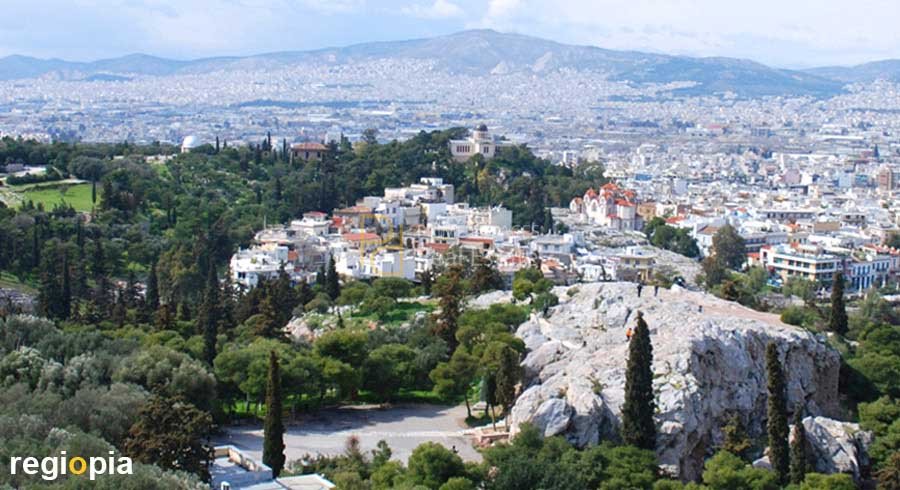
Афины Грецияның ең әртүрлі жалға алу нарықтарының бірін ұсынады.
Сұраныс келесі топтардан келеді:
-
Кәсіпқойлар
-
Халықаралық компаниялар
-
Университет студенттері
-
Мемлекеттік қызметкерлер
-
Шетелдіктер
-
Туристер
Бұл комбинация ұзақ мерзімді және қысқа мерзімді жалға алу стратегиялары үшін мүмкіндіктер туғызады.
Танымал инвестициялық аймақтарға мыналар кіреді:
-
Колонаки
-
Кукаки
-
Глифада
-
Пирей
Салоники
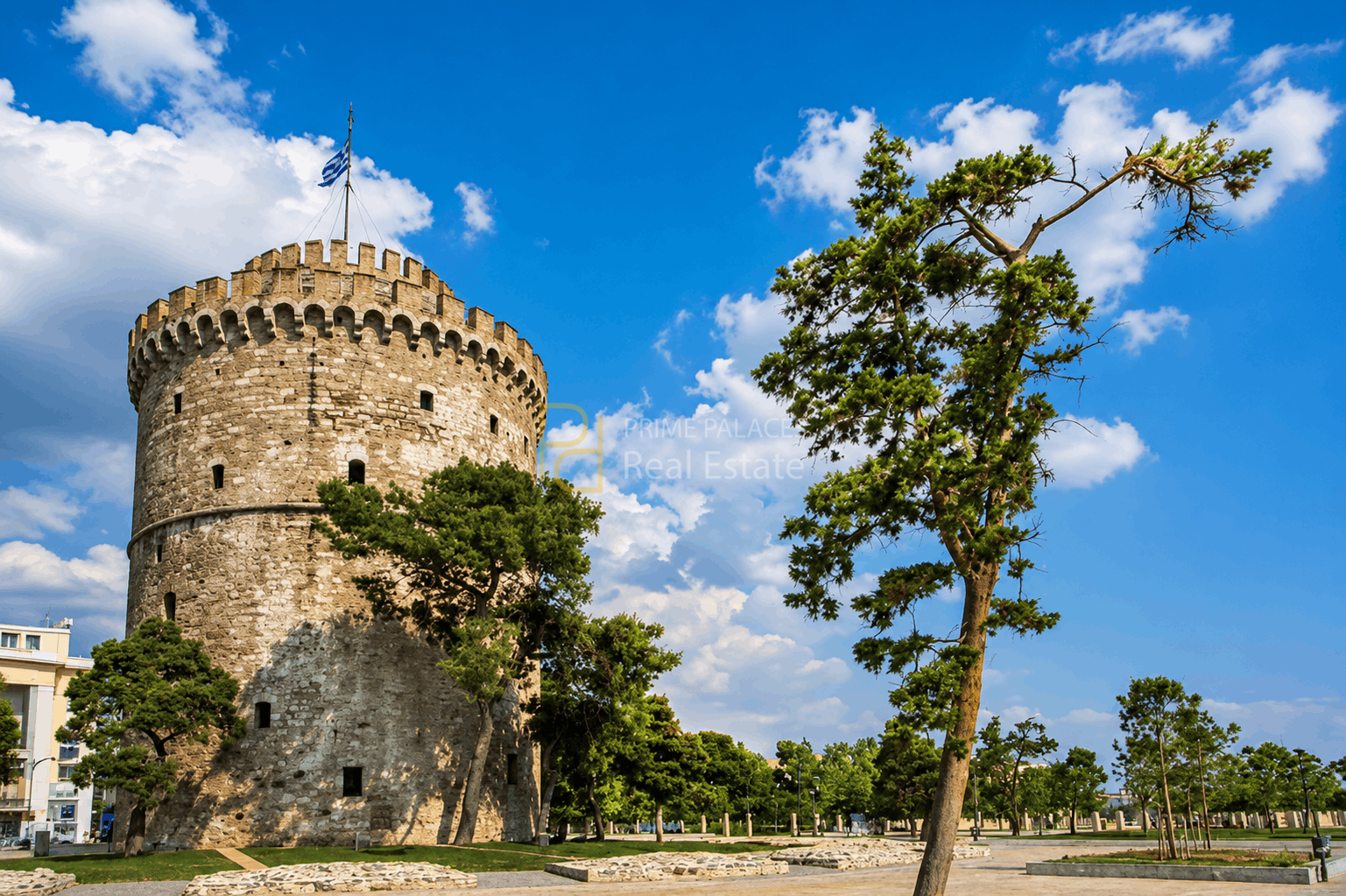
Грецияның екінші үлкен қаласы Салоники студенттер мен жас кәсіпқойлардан жоғары сұранысқа ие.
Аристотель университеті мен басқа жоғары оқу орындарының болуы оқу жылында шағын пәтерлерге тұрақты сұраныс тудырады.
Афинымен салыстырғанда, кіріс бағалары жиі төмен, бұл қаланы орташа бюджеті бар инвесторларға тартымды етеді.
Крит
Крит Грецияның ең күшті туристік секторларының бірін үлкен тұрақты халықпен біріктіреді.
Крит көптеген кішігірім аралдардан айырмашылығы, демалысқа арналған жалға беру мен ұзақ мерзімді тұрғын үй сұранысын қолдайды.
Ханья мен Ираклион сияқты қалалар туристерді, кәсіпқойларды және студенттерді тартады, бұл инвесторларға үлкен икемділік береді.
Корфу мен Родос
Екі арал да жыл сайын халықаралық келушілерді тарта береді.
Жақсы орналасқан виллалар мен пәтерлер маусымдық сұраныстан пайда көре алады, бірақ инвесторлар толтыру деңгейлері мен басқару шығындарын мұқият бағалауы керек.
Студенттік тұрғын үй
Афины, Салоники және Ираклион сияқты университеттік қалалар студенттік тұрғын үймен қызығатын инвесторлар үшін мүмкіндіктер ұсынады.
Бұл сегмент жиі келесі артықшылықтарды ұсынады:
-
Тұрақты жылдық сұраныс
-
Ұзақ мерзімді жалдау мерзімдері
-
Маусымдық тәуекелдің төмендігі
-
Тұрақты толтыру
Дегенмен, инвесторлар сатып алудан бұрын жергілікті ұсыныс пен жалға алу бәсекесін бағалауы керек.
Дұрыс жылжымайтын мүлікті таңдау
Әр жылжымайтын мүлік пассивті табыс табуға бірдей жарамды емес.
Инвестицияны бағалағанда, мыналарды ескеріңіз:
-
Орын
-
Жалға алу сұранысы
-
Ғимараттың жағдайы
-
Жылжымайтын мүлікті басқару опциялары
-
Операциялық шығындар
-
Қолжетімділік
-
Болашақта қайта сату әлеуеті
-
Жергілікті ережелер
Ең сәтті инвестициялар әдетте күшті орындық негіздермен, шынайы сатып алу бағаларымен және тұрақты жалға алу сұранысымен біріктіріледі.
Жалға алу табыстарын түсіну
Инвесторлардың жиі сұрайтын сұрақтарының бірі: "Мен қанша жалға алу табысын күтуім керек?"
Жауап бірнеше факторларға, соның ішінде орын, жылжымайтын мүлік түрі, толтыру деңгейлері, операциялық шығындар және таңдалған жалға алу стратегиясына байланысты.
Тек жалпы жалға алу табысына назар аударудың орнына, инвесторлар жылжымайтын мүліктің таза табысын шығындарды шегергеннен кейін бағалауы керек, мысалы:
- Жылжымайтын мүлікті басқару ақысы
- Күтім және жөндеу
- Коммуналдық қызметтер (қолданылса)
- Сақтандыру
- Салықтар
- Демалысқа арналған жалға берулер үшін тазалау және қонақ қызметтері
- Маркетинг шығындары
Жоғары табыс әкелетін жылжымайтын мүлік егер операциялық шығындар елеулі болса, төмен пайда әкелуі мүмкін.
Осы себепті, сәтті инвесторлар бас тақырыптағы жалға алу сандарынан гөрі толық қаржылық көріністі бағалайды.
Әр инвестор ескеруі тиіс шығындар
Жылжымайтын мүлікті сатып алу тек сатып алу бағасынан тұрады.
Инвестиция жасамас бұрын, сатып алушылар мыналарға бюджет жасауы керек:
- Жылжымайтын мүлікті беру шығындары
- Заңгерлік шығындар
- Нотариус шығындары
- Техникалық тексерулер
- Тіркеу шығындары
- Жылжымайтын мүлік салықтары
- Үздіксіз күтім
- Ғимаратты басқару ақысы
- Қажет болған жағдайда жөндеу шығындары
Бұл шығындарды алдын ала түсіну инвесторларға шынайы ұзақ мерзімді табыстарды есептеуге көмектеседі.
Жылжымайтын мүлікті басқару: табысты шын мәнінде пассивті ету
Пассивті табыс кәсіби жылжымайтын мүлік басқару болған кезде әлдеқайда жеңіл болады.
Грециядан тыс тұратын көптеген инвесторлар күнделікті операцияларды басқару үшін лицензияланған басқару компанияларын таңдайды.
Жылжымайтын мүлік менеджерлері мыналарға көмектесе алады:
- Жалдаушылармен байланыс
- Қонақтарды тіркеу және шығару
- Тазалау қызметтері
- Күтім координациясы
- Жалдау жинау
- Маркетинг
- Брондау басқару
- Жылжымайтын мүлік тексерулері
Басқару ақысы жалпы табысты азайтса да, олар жылжымайтын мүлікті басқару үшін қажет уақытты айтарлықтай азайтуы мүмкін.
Шетелдік сатып алушылар үшін кәсіби басқару сәтті инвестициялық стратегияның маңызды бөлігі болып табылады.
Заңнамалық негізді түсіну
Грецияда кез келген жылжымайтын мүлікті сатып алмас бұрын, инвесторлар тиісті заңдық және техникалық тексерулерді жүргізуі керек.
Бұл әдетте мыналарды тексеруді қамтиды:
- Меншік және құқық
- Ғимаратқа рұқсаттар
- Жер кадастры жазбалары
- Қарыздар немесе ауыртпалықтар
- Ғимараттың сәйкестігі
- Жергілікті жоспарлау ережелері
Квалификацияланған заңгерлер мен салық мамандарымен жұмыс істеу тәуекелдерді азайтуға және мәміленің грек ережелеріне сәйкес болуын қамтамасыз етуге көмектеседі.
Жылжымайтын мүлік сатып алу Грецияның Алтын Визасына құқық бере ме?
Көптеген халықаралық сатып алушылар Грецияның Алтын Виза бағдарламасына да қызығушылық танытады.
Ағымдағы ережелер бойынша, білікті жылжымайтын мүлік инвестициялары инвестиция шектеріне және мемлекеттік талаптарға сәйкес ұзақ мерзімді тұруға жол аша алады.
Дегенмен, инвесторлар әр жылжымайтын мүлік білікті емес екенін және Алтын Визаға құқық алу сатып алу үшін жалғыз себеп болмауы керек екенін есте ұстауы керек.
Жылжымайтын мүлікті бірінші кезекте бағалау керек:
- Орын
- Жалға алу сұранысы
- Ұзақ мерзімді капиталдың өсу әлеуеті
- Құрылыс сапасы
- Жалпы инвестициялық негіздер
Тұру артықшылықтары негізгі инвестициялық мақсат емес, қосымша артықшылық ретінде қарастырылуы керек.
Инвесторлардан аулақ болу керек жалпы қателіктер
Сәтті жылжымайтын мүлік инвестициясы мұқият жоспарлауды талап етеді.
Ең көп таралған қателіктердің кейбірі:
- Тек демалыс тартымдылығына негізделген сатып алу
- Қысқа мерзімді жалға алу толтыруын асыра бағалау
- Басқару және күтім шығындарын елемеу
- Жергілікті жалға алу сұранысын зерттемей қалу
- Қайта сату әлеуетін ескермей жылжымайтын мүлікті таңдау
- Заңды тексерусіз сатып алу
- Әр туристік бағыттың бірдей инвестициялық әлеуеті бар деп есептеу
- Тек сатып алу бағасына назар аудару, ұзақ мерзімді құнды емес
Бұл қателіктерден аулақ болу қаржылық көрсеткіштерді және ұзақ мерзімді инвестициялық қауіпсіздікті жақсартуға көмектеседі.
Грек жылжымайтын мүлкінен пассивті табыс алу тұр ма?
Көптеген инвесторлар үшін жауап - иә.
Греция өмір салты, туризм, халықаралық сұраныс және барған сайын тартымды жылжымайтын мүлік нарығының бірегей комбинациясын ұсынады.
Дегенмен, пассивті табыс кепілдендірілген деп қарастырылмауы керек.
Ең күшті инвестициялар әдетте мынадай комбинацияларды қамтиды:
- Бірінші орын
- Тұрақты жалға алу сұранысы
- Кәсіби басқару
- Шынайы қаржылық күтулер
- Ұзақ мерзімді инвестициялық жоспарлау
Нарықты мұқият зерттеген және жылжымайтын мүлікті күшті негіздерге негізделген таңдаған инвесторлар әдетте ұзақ мерзімді табысқа жақсы дайындалған.
Сұрақ-жауап
Шетелдіктер Грецияда жылжымайтын мүлік сатып ала ала ма?
Иә. Шетел азаматтары Грецияда жылжымайтын мүлік сатып ала алады, бірақ кейбір шекаралық немесе шектеулі аймақтарда қосымша рұқсаттар қажет болуы мүмкін.
Қай жалға алу стратегиясы жоғары табыс әкеледі?
Қысқа мерзімді демалысқа арналған жалға беру танымал туристік бағыттарда жоғары жалпы табыс әкелуі мүмкін, ал ұзақ мерзімді жалға беру көбінесе болжамды толтыру мен төмен басқару талаптарын қамтамасыз етеді.
Дұрыс стратегия жылжымайтын мүліктің орнына және инвестордың мақсаттарына байланысты.
Грек қалаларының қайсысы жалға алу табысы үшін ең жақсы?
Афины мен Салоники жыл бойы тұрғындары, университеттері мен бизнес белсенділігі арқасында ұзақ мерзімді тұрғын үй жалға алу үшін мықты таңдау болып табылады.
Крит, Корфу және Родос туристік жалға алу мүмкіндіктерін іздейтін инвесторлар арасында да танымал.
Кәсіби жылжымайтын мүлік басқару қажет пе?
Бұл міндетті емес, бірақ көптеген шетелдік инвесторлар күнделікті операцияларды, жалға алушылармен байланыс пен күтімді басқару үшін кәсіби басқару компанияларын таңдайды.
Бұл жылжымайтын мүлік иеленуді айтарлықтай ыңғайлы етеді.
Жалға алу табысы жылжымайтын мүлік шығындарын жаба ала ма?
Бұл сатып алу бағасына, қаржыландыруға, толтыруға, операциялық шығындарға және жалға алу өнімділігіне байланысты.
Инвесторлар сатып алудан бұрын егжей-тегжейлі қаржылық болжамдарды дайындауы керек, болжамды табыстарға сүйенбеуі керек.
Қорытынды
Грециядағы жылжымайтын мүлік инвестициясы тартымды пассивті табыс мүмкіндіктерін ұсына алады, бірақ табыс табу тек танымал бағытта үй сатып алумен шектелмейді.
Дұрыс орынды таңдау, жалға алу нарығын түсіну, операциялық шығындарды есептеу және ұзақ мерзімді иеленуге жоспарлау - сәтті инвестициялық стратегияның барлық маңызды элементтері.
Сіздің мақсатыңыз Афиныда тұрақты жалға алу табысын алу, Салоникиде студенттік тұрғын үй немесе Критте немесе Корфуда демалысқа арналған жалға алу болса, әр нарық әртүрлі мүмкіндіктер мен қиындықтарды ұсынады.
Ең сәтті инвесторлар тұрақты сұранысқа, сапалы активтерге және ұзақ мерзімді құнға назар аударады, қысқа мерзімді трендтерге емес.
Мұқият жоспарлау мен кәсіби кеңес беру арқылы грек жылжымайтын мүлігі жылдар бойы құнды инвестиция мен өмір салты активіне айналуы мүмкін.
Prime Palaces қалай көмектесе алады
Prime Palaces компаниясында біз халықаралық сатып алушыларға Греция бойынша инвестициялық жылжымайтын мүлікті анықтауға көмектесеміз, оларды қаржылық мақсаттары мен өмір салтына сәйкес келеді.