



Umm Al Quwain va BAA emirliklari: Iqtisodiyot, Ko'chmas mulk va Investitsiya
BAA yagona bir xil ko'chmas mulk yoki iqtisodiy bozor emas. Har bir emirlik turli model, miqyos va o'sish strategiyasi bilan ishlaydi. Umm Al Quwainning boshqa emirliklar bilan taqqoslanishi investitsiya qilishda kapitalni qayerga ajratishni hal qilish uchun muhimdir.
Iqtisodiy tuzilma va miqyosi
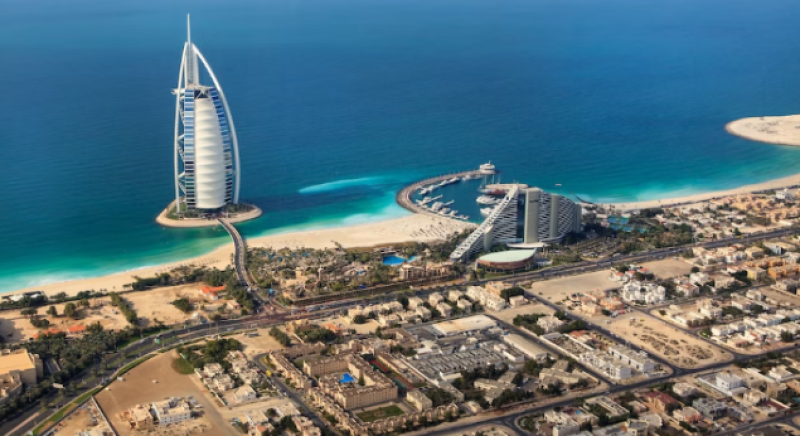
Dubay global iqtisodiy markaz bo'lib, moliyaviy, turizm, logistika va xalqaro savdo bilan boshqariladi. U global kapitalni jalb qiladi va barcha sohalarda yuqori tranzaksiya hajmida ishlaydi. Abu Dabi, aksincha, davlat boyligi, energiya daromadlari va katta miqyosdagi institutsional investitsiyalar bilan qo'llab-quvvatlanadi, bu esa juda barqaror va kapitalga boy iqtisodiyotni yaratadi.
Sharja sanoat, ta'lim va madaniyatga e'tibor qaratadi, diversifikatsiyalangan, lekin ko'proq mintaqaviy yo'naltirilgan iqtisodiyotni taklif etadi. Ras Al Khaimah yaqinda turizm va katta miqyosdagi manzil loyihalari orqali o'sishini tezlashtirdi.
Umm Al Quwain kichikroq miqyosda ishlaydi, iqtisodiyoti SME, savdo va erkin zona faoliyati atrofida qurilgan, ayniqsa UAQ Erkin Savdo Zonasi orqali. Uning iqtisodiy chiqishi cheklangan bo'lsa-da, bu ham nazorat qilingan va kam o'zgaruvchan rivojlanish yo'nalishini ta'minlaydi.
Ko'chmas Mulk Bozori Dinamikasi
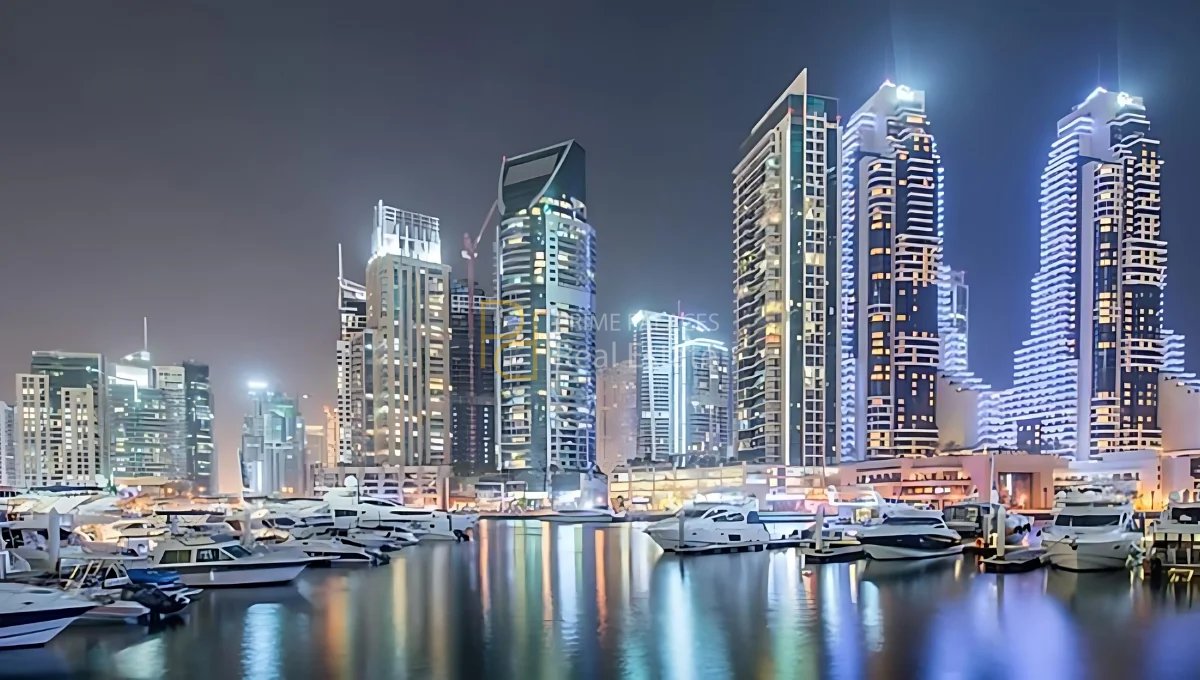
Dubay ko'chmas mulk bozori likvidlik, global talab va ko'p turdagi ko'chmas mulk turlari bilan belgilangan, arzon kvartiralardan tortib ultra-luks brendli turar joylargacha. U mustahkam ijaraga berish daromadlari va yuqori tranzaksiya hajmi taklif etadi, bu esa qisqa muddatli va uzoq muddatli strategiyalar uchun mos keladi.
Abu Dabida ko'chmas mulk ko'proq tuzilgan va master-rejalashtirilgan, tezkor spekulyatsiya o'rniga uzoq muddatli barqarorlikga e'tibor qaratadi. Bu oxirgi foydalanuvchilar va barqarorlikni izlayotgan institutsional investorlarga yoqadi.
Ras Al Khaimah hozirda yuqori o'sish bozoriga o'tmoqda, turizm va katta rivojlanishlar bilan boshqariladi. Investorlarda qiziqish sezilarli darajada oshdi, chunki emirlik o'zini turmush tarzi va manzilga yo'naltirilgan ko'chmas mulk markazi sifatida joylashtirmoqda.
Sharja arzonlik va mustahkam mahalliy talab taklif etadi, ayniqsa oxirgi foydalanuvchilar uchun, garchi investitsiya faoliyati Dubayga nisbatan konservativroq bo'lsa-da.
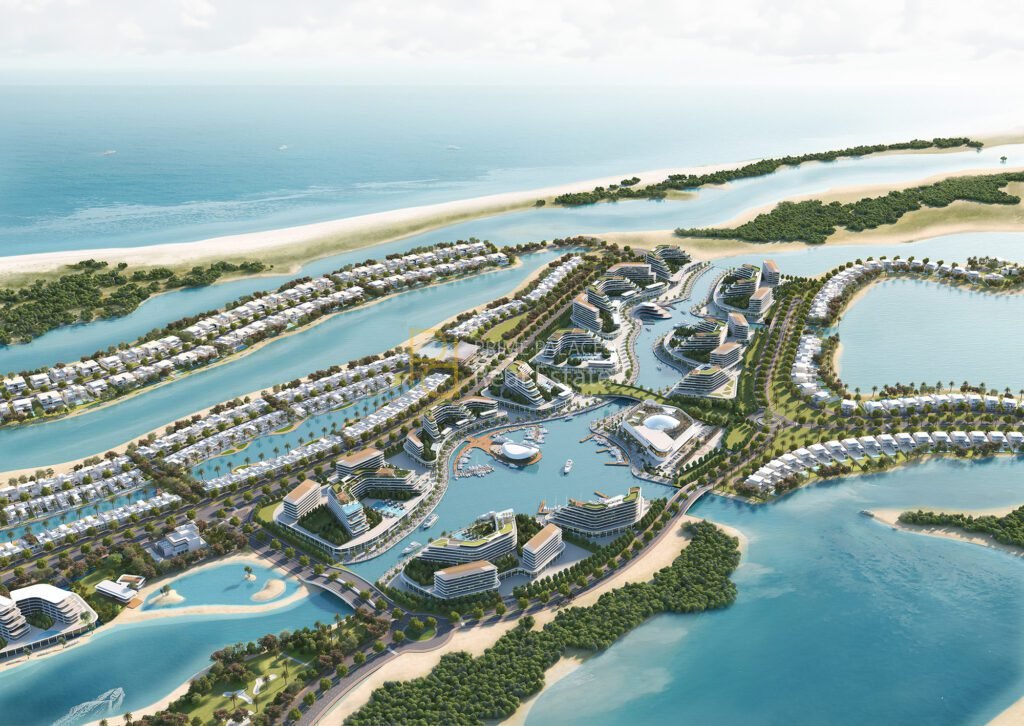
Umm Al Quwain rivojlanishning dastlabki bosqichida bo'lishi bilan farq qiladi. Umm Al Quwain ko'chmas mulk bozori pastroq kirish narxlari, yer mavjudligi va Downtown Umm Al Quwain, Siniya oroli va AYA Beachfront Residences by Deyaar kabi rivojlanayotgan loyihalar bilan xarakterlanadi. Ushbu rivojlanishlar ko'proq tuzilgan va yuqori sifatli ko'chmas mulk takliflariga asta-sekin o'tishni ko'rsatadi.
Narxlar va Kirish imkoniyatlari
Eng muhim farqlardan biri narxlarda yotadi. Dubay va Abu Dabida yuqori kirish nuqtalari mavjud, ayniqsa prime joylarda. Ras Al Khaimah va Sharja ko'proq kirish imkoniyatlarini taklif etadi, lekin hali ham nisbatan faol bozorlar ichida ishlaydi.
Umm Al Quwain BAAdagi eng arzon emirliklardan biri bo'lib qolmoqda. Ushbu pastroq kirish nuqtasi investorlarga katta ko'chmas mulk yoki suvga yaqin aktivlarni rivojlangan bozorlar narxining bir qismini to'lab olish imkonini beradi. Kapital ajratish uchun bu boshqacha imkoniyat yaratadi—tezkor daromadlar haqida kamroq, dastlabki joylashish haqida ko'proq.
Turmush tarzi va yashash muhiti
Turmush tarzi emirliklar bo'ylab sezilarli darajada farq qiladi. Dubay ko'ngilochar, luxs retail va xalqaro bog'lanish bilan tezkor, global shahar turmush tarzini taklif etadi. Abu Dabi ko'proq tuzilgan va oilaga yo'naltirilgan muhitni taqdim etadi, madaniy institutlar va katta miqyosdagi jamoalar bilan.
Ras Al Khaimah o'zini tabiat va sarguzasht manzili sifatida joylashtirmoqda, Sharja esa madaniy va jamoaviy yashashga e'tibor qaratadi.
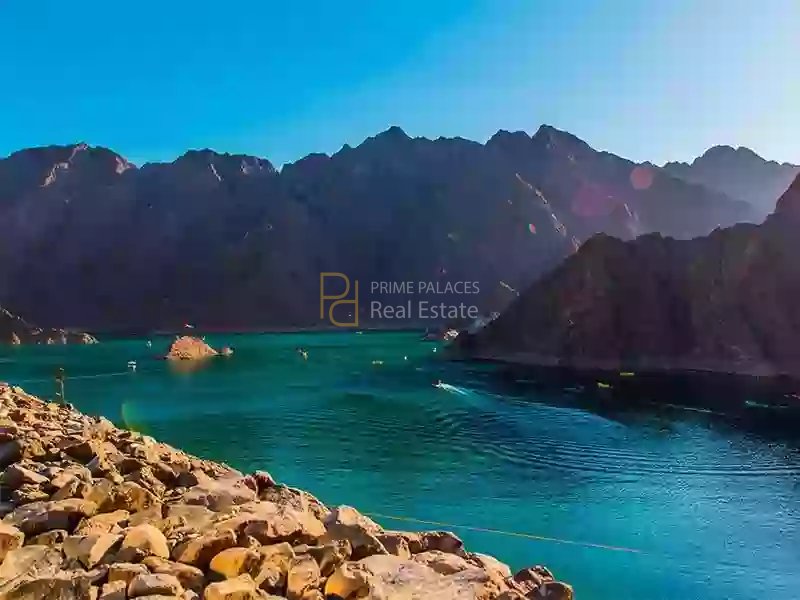
Umm Al Quwain tinchroq, kam zichlikdagi turmush tarzini taklif etadi, tabiat, plajlar va ochiq joylar atrofida markazlashgan. Bu maxfiylik va sekinroq yashash ritmini izlayotgan xaridorlarga yoqadi, bu bugungi bozorda tobora muhimroq bo'lmoqda.
Investitsiya joylashuvi
Har bir emirlik turli investitsiya strategiyasini ifodalaydi. Dubay likvidlik, ijara daromadi va kapital aylanishi uchun mos keladi. Abu Dabi uzoq muddatli, barqaror investitsiya strategiyalariga mos keladi. Ras Al Khaimah turizm kengayishi bilan bog'liq o'sishga yo'naltirilgan imkoniyatlarni taklif etadi.
Umm Al Quwain dastlabki bosqich bozorini ifodalaydi. Umm Al Quwain ko'chmas mulk investitsiya modeli katta miqyosdagi talabning cho'qqisi kelishidan oldin kirishga asoslangan. Siniya oroli va Downtown Umm Al Quwain kabi loyihalar bilan emirlik asta-sekin kelajak o'sishi uchun poydevorlarni qurmoqda. Uzoq muddatli qiymat oshishi va pastroq kirish xarajatlarini afzal ko'radigan investorlarga ushbu joylashuv jozibador bo'lishi mumkin.
Umuman olganda, Umm Al Quwain katta BAA bozorlariga to'g'ridan-to'g'ri raqobat qilmaydi—u ularni to'ldiradi. Dubay miqyosi va likvidlikni taklif qilsa, Abu Dabi barqarorlikni taqdim etadi, Umm Al Quwain esa kirish imkoniyatlari va kelajak potentsialini taklif etadi. Ushbu farqlarni tushunish investorlarga strategiyalarini to'g'ri emirlik bilan moslashtirishga imkon beradi, BAA bozoriga bir xil yondashuvni qo'llash o'rniga.