



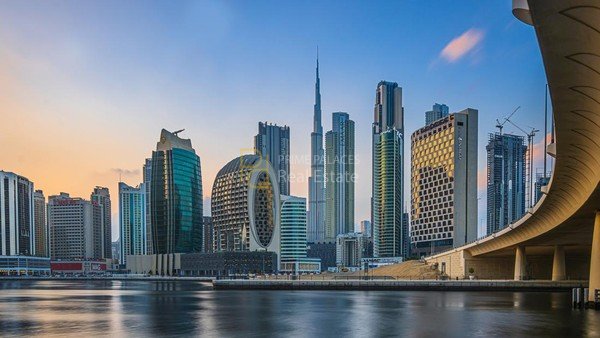
These Dubai Projects Could Define the Next Decade
Dubai’s real estate market has never been shaped by individual buildings alone.
Some of the city’s greatest property success stories began with infrastructure, transport networks, waterfront regeneration and long-term masterplans. Downtown Dubai, Dubai Marina and Palm Jumeirah became globally recognised destinations because they developed into complete economic and lifestyle districts.
The next decade may follow a similar pattern.
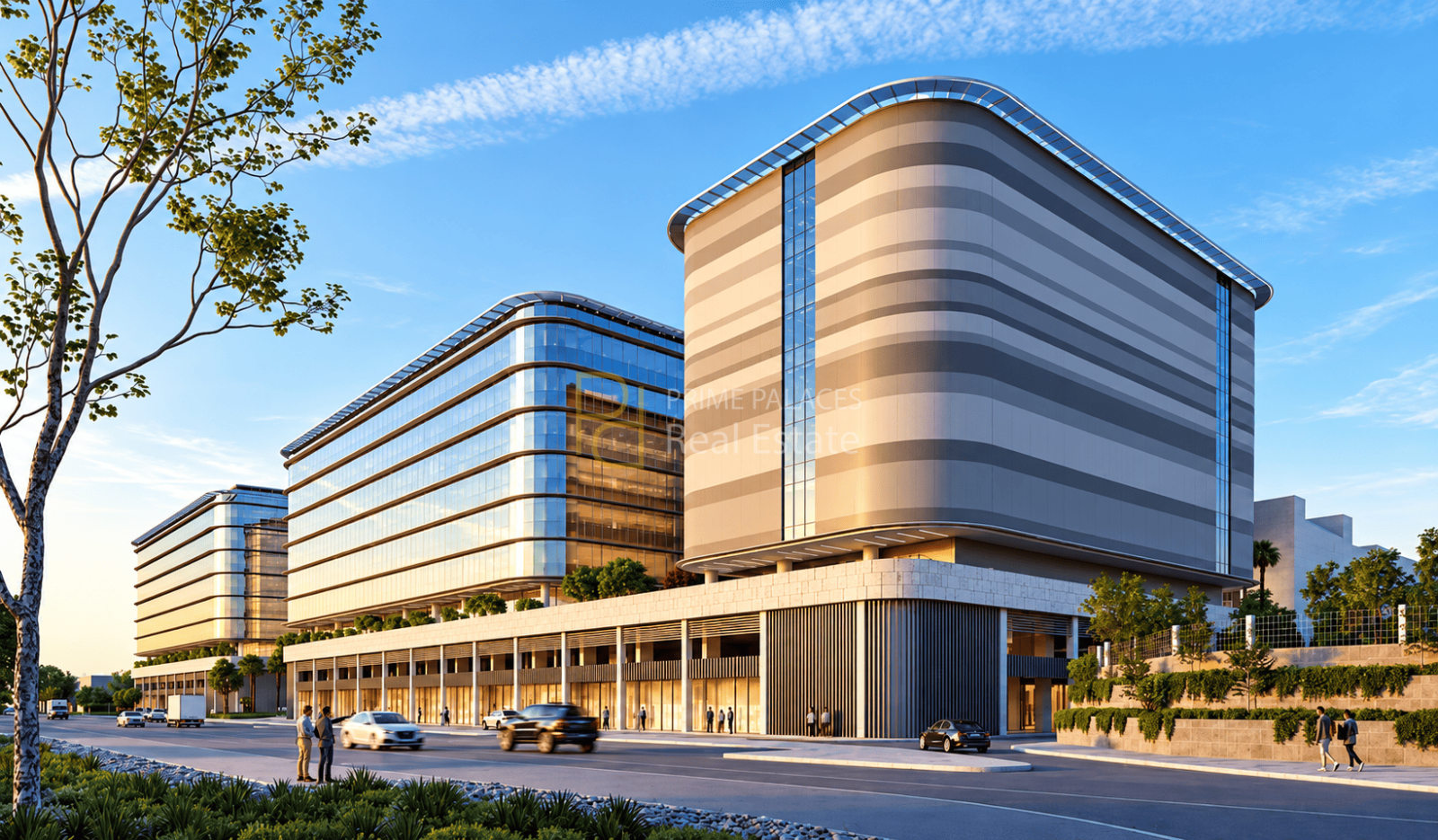
Across Dubai, major aviation, transport, residential and waterfront projects are creating new centres of activity. These developments could influence where people live, where businesses establish operations and where long-term property demand emerges.
In this guide, we examine the Dubai projects that could play a defining role in the city’s next decade.
Important Note
Large-scale projects are delivered in stages, and timelines, designs and market conditions may change. Property performance depends on factors including supply, demand, infrastructure delivery, pricing and individual project quality. Investors should conduct independent legal and financial due diligence before purchasing.
Why Major Projects Matter for Real Estate
Property markets are often influenced by what is being built around a home, not only by the home itself.
New Infrastructure Can Create
Employment opportunities
Improved transport connectivity
Increased tourism
New commercial districts
Greater housing demand
More retail and leisure facilities
Stronger long-term buyer interest
Dubai’s current development strategy reflects this relationship between infrastructure, population growth and real estate.
The Dubai 2040 Urban Master Plan aims to develop five major urban centres, substantially expand green areas and public beaches and improve residents’ access to public transport and daily services.
These objectives are now becoming visible through several major projects.
Al Maktoum International Airport and Dubai South
Few projects are likely to influence Dubai’s future as significantly as the expansion of Al Maktoum International Airport.
Dubai has approved a new passenger terminal with an estimated development cost of AED 128 billion. When fully developed, the airport is expected to handle more than 260 million passengers annually, supported by five parallel runways, two passenger terminals and over 430 aircraft stands.
The project is not simply an airport expansion.
Aviation Infrastructure of This Scale Can Attract
Logistics companies
Aviation businesses
Hotels
Offices
Warehousing
Retail
International trade
Thousands of employees and residents
Dubai South is positioned to become one of the largest beneficiaries.
As the airport and surrounding business ecosystem expand, demand could increase for residential communities offering practical access to employment zones, logistics centres and Expo City Dubai.
For long-term investors, the airport’s importance may lie less in immediate price movement and more in the gradual creation of an entirely new economic corridor.
Dubai Metro Blue Line
Transport connectivity has historically had a major influence on property demand.
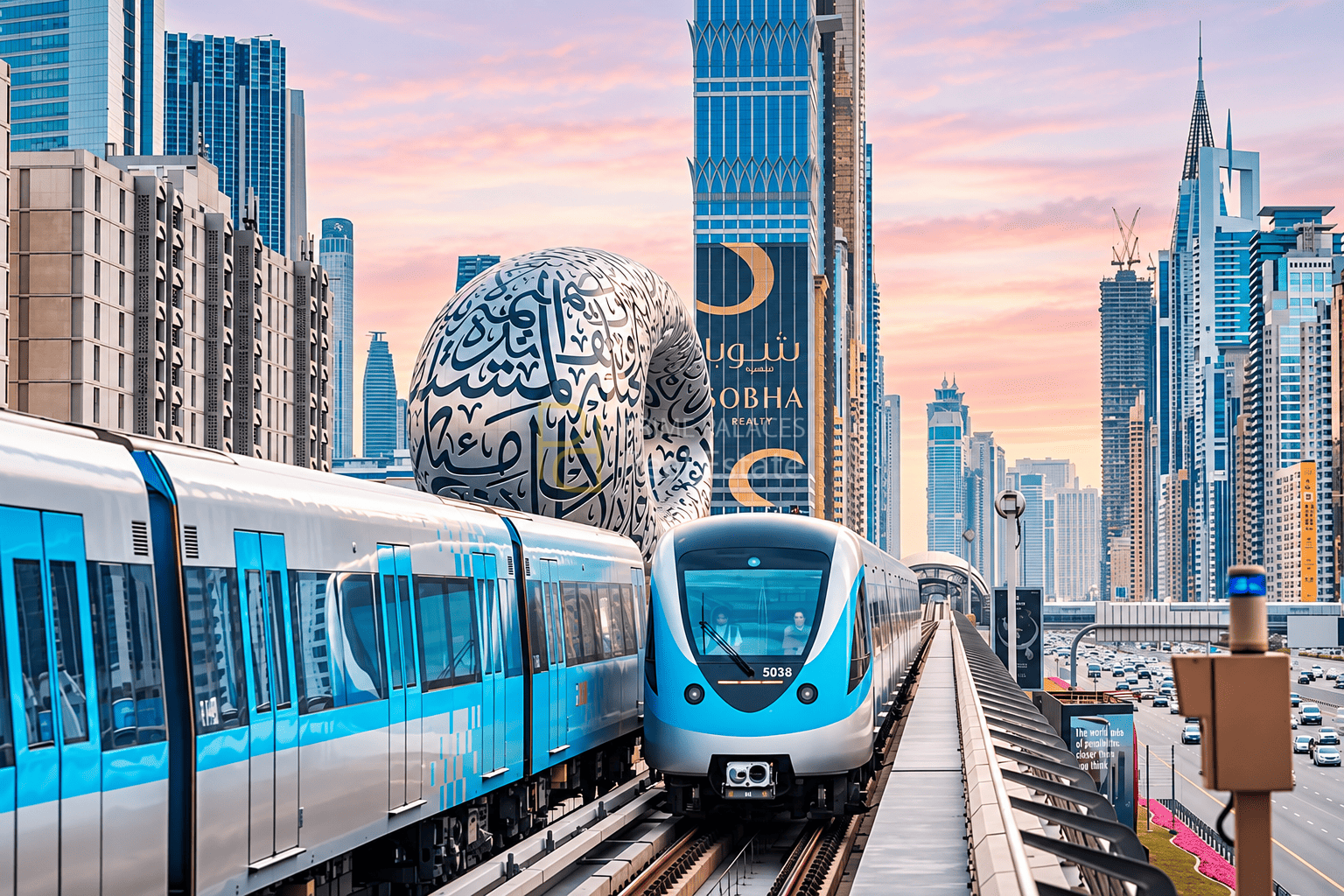
The Dubai Metro Blue Line is a 30-kilometre route featuring 14 stations. It is designed to connect nine major districts and serve areas expected to accommodate more than one million residents.
The route is expected to improve connectivity between established and emerging communities while supporting the goals of the Dubai Economic Agenda D33 and the Dubai 2040 Urban Master Plan.
Official RTA studies estimate that the project could generate more than AED 56.5 billion in total benefits by 2040.
Communities Benefiting from New Metro Access May Become More Attractive to
Commuters
Tenants
Families
Professionals
Businesses
Long-term investors
However, not every property near a station will perform equally. Walking distance, community quality, unit supply and purchase price remain important.
Palm Jebel Ali
Palm Jebel Ali represents one of Dubai’s most ambitious waterfront expansions.
The development spans approximately 13.4 square kilometres and includes 16 fronds, seven islands and more than 90 kilometres of beachfront. It is intended to create a new coastal growth corridor in the Jebel Ali area.
The Wider Masterplan Is Expected to Include
Luxury villas
Beachfront residences
Retail
Hospitality
Public spaces
Community facilities
Walkable neighbourhoods
Extensive waterfront experiences
Construction and infrastructure contracts worth billions of dirhams have already been awarded, indicating that the destination is moving from vision into active delivery.
Palm Jebel Ali could influence Dubai’s market by increasing the supply of premium beachfront property while extending the city’s luxury residential map farther west.
For investors, its long-term performance may depend on infrastructure delivery, community activation, hospitality demand and the timing of surrounding development.
Expo City Dubai
Expo City Dubai is developing into a permanent residential, business and sustainability-focused urban district.
The masterplan covers approximately 3.5 square kilometres and is intended to accommodate around 35,000 residents and 40,000 professionals.
The District Is Positioned as One of the Major Centres Within the Dubai 2040 Urban Master Plan and Combines
Residential communities
Offices
Innovation districts
Events
Education
Sustainability initiatives
Green public spaces
Walkable neighbourhoods
Expo City’s long-term advantage is its ability to function as more than a residential community.
By combining employment, events, business and housing, it may generate demand from both residents and companies. Its proximity to Dubai South and Al Maktoum International Airport could further strengthen its position.
The area may appeal particularly to investors who believe Dubai’s future growth will increasingly move toward the southern part of the city.
Dubai Islands
Dubai Islands is another major waterfront destination that could reshape the city’s coastal property market.
The masterplan consists of five connected islands spanning approximately 18.6 square kilometres. It includes around 59 kilometres of waterfront, more than 20 kilometres of beaches, parks, golf facilities, promenades and cycling routes.
The development is strategically located near older parts of Dubai, Downtown Dubai and Dubai International Airport.
This gives it a different position from several newer coastal developments.
Dubai Islands May Benefit from
Waterfront living
Tourism growth
Resort and hotel development
Proximity to established districts
New residential communities
Improved public access to beaches
Infrastructure and villa construction contracts are already supporting the gradual development of the islands.
For investors, the key question will be how effectively the destination balances tourism, residential supply and year-round community life.
Dubai Creek Harbour and Dubai Square
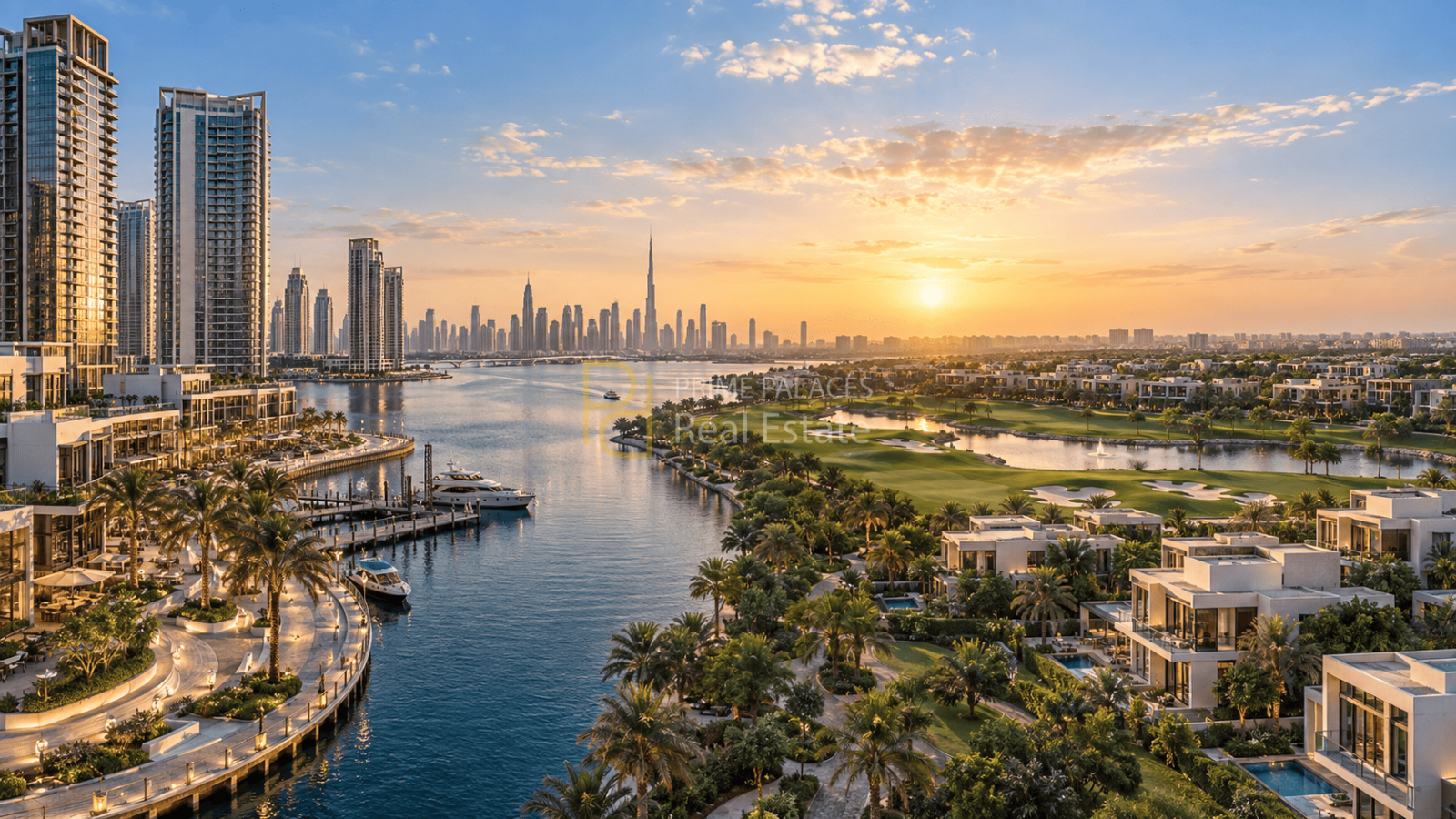
Dubai Creek Harbour is being developed as a large-scale waterfront community with residential, retail, leisure and public spaces.
The wider destination covers millions of square metres and has been designed around integrated transport, green areas and environmentally conscious urban planning.
Dubai Square is expected to become a major retail and lifestyle centre within the development, organised across several distinct character zones.
The District’s Potential Comes from Several Factors
Waterfront positioning
Proximity to Downtown Dubai
New residential supply
Retail and leisure development
Views of the Dubai skyline
Long-term masterplan scale
Dubai Creek Harbour may appeal to investors seeking a modern waterfront alternative to older established communities.
Its long-term success will depend on the delivery of the complete destination rather than any single residential launch.
Dubai Design District’s Residential Expansion
Dubai Design District, commonly known as d3, is expanding beyond its role as a creative and commercial hub.
Meraas has announced an expanded residential masterplan featuring canal-front homes, cultural districts, public green spaces and walkable urban streets. The objective is to create a community where residents can live, work and participate in Dubai’s creative economy within one connected area.
This Development Could Create a Distinctive Property Market Positioned Between
Downtown Dubai
Business Bay
Dubai Creek
Cultural and creative industries
Unlike purely residential masterplans, d3 may benefit from an established identity and an existing professional community.
For investors, the project may be attractive because of its central location, limited comparable supply and connection to design, fashion, architecture and media businesses.
Emaar’s AED 200 Billion Masterplan
Emaar has announced what it describes as its most ambitious masterplan to date.
The AED 200 billion mixed-use development is expected to include residential towers, villas, mansions, offices, hotels, retail, cultural facilities and major public spaces.
Although several important details remain limited, the project’s scale means it could become one of Dubai’s most significant new urban districts.
Large Emaar Masterplans Have Historically Influenced Surrounding Property Markets by Creating
Recognised destinations
Strong retail anchors
Hospitality demand
Integrated community facilities
International buyer interest
Investors should wait for detailed information on location, launch phases, supply, pricing and infrastructure before drawing conclusions.
However, the project is likely to remain one of the most closely watched developments in Dubai.
Which Areas Could Benefit Most?
The projects discussed above may create several major growth corridors.
Southern Dubai
Potential Drivers Include
Al Maktoum International Airport
Dubai South
Expo City Dubai
Palm Jebel Ali
Logistics and commercial expansion
Eastern and Central Waterfront
Potential Drivers Include
Dubai Creek Harbour
Dubai Square
Dubai Design District
Metro improvements
New mixed-use districts
Northern Waterfront
Potential Drivers Include
Dubai Islands
Hospitality growth
Waterfront regeneration
Proximity to established areas of Dubai
These corridors have different risk and investment profiles. Some are already active, while others require a longer time horizon.
What Investors Should Look For
A large masterplan does not automatically make every property within it a good investment.
Investors Should Evaluate
Purchase price
Developer track record
Construction progress
Infrastructure delivery
Future supply
Rental demand
Service charges
Payment plan
Property quality
Exit strategy
The strongest opportunities are often found where infrastructure, employment, lifestyle and realistic pricing come together.
Common Mistakes to Avoid
Investors should avoid buying based only on the size of a project or the excitement surrounding an announcement.
Common Mistakes Include
Assuming infrastructure guarantees capital appreciation
Ignoring future property supply
Paying a large premium during an early launch
Failing to compare nearby communities
Overestimating rental demand
Ignoring service and maintenance costs
Choosing a property without a clear exit strategy
Expecting short-term results from a long-term masterplan
Major projects may take years to mature. Investors should make sure their financial strategy matches the development timeline.
Frequently Asked Questions
Which Dubai Project Could Have the Biggest Impact on Real Estate?
Al Maktoum International Airport may have one of the broadest long-term effects because it could create a major aviation, logistics, employment and residential corridor around Dubai South.
Will the Metro Blue Line Increase Nearby Property Prices?
Improved metro access can support demand, but performance will depend on the property’s distance from the station, pricing, community quality and surrounding supply.
Is Palm Jebel Ali a Long-Term Investment?
Palm Jebel Ali may appeal to long-term investors seeking premium waterfront exposure. However, buyers should consider delivery timelines, price levels, infrastructure and future supply.
Why Is Expo City Important?
Expo City combines residential, business, events and sustainability infrastructure, giving it the potential to generate both employment and housing demand.
Are Emerging Masterplans Better Than Established Communities?
Not necessarily. Emerging areas may offer growth potential but can carry greater delivery and timing risk. Established communities may provide more predictable rental demand and liquidity.
Conclusion
Dubai’s next decade will not be shaped by one project alone.
It will be shaped by the interaction between airports, metro lines, waterfront developments, business districts and integrated communities.
Al Maktoum International Airport could create a new global aviation and logistics centre. The Metro Blue Line may improve accessibility across growing residential districts. Palm Jebel Ali and Dubai Islands could expand Dubai’s waterfront property market, while Expo City, Dubai Creek Harbour and Dubai Design District may redefine mixed-use urban living.
For property investors, the opportunity lies in understanding how these projects connectnot simply following the biggest headline.
The developments that ultimately perform best may be those that successfully combine infrastructure, employment, lifestyle, realistic supply and long-term demand.
How Prime Palaces Can Help
Prime Palaces helps investors understand Dubai’s evolving growth corridors and identify properties aligned with their long-term goals.
Our team provides access to new projects, location comparisons and market insights across established and emerging communities. We help buyers assess more than the property itself, including infrastructure, supply, rental demand and future development potential.
As Dubai enters its next phase of expansion, careful project selection and long-term planning will remain essential.