


Dubai'nın Yeni Metro Genişlemesi: Hangi Gayrimenkul Alanları En Çok Faydalanabilir
Dubai'nin bir sonraki büyük ulaşım projesi, şehir altında ve üstünde şekil almaya başladı.
Dubai Metro Mavi Hattı inşaat aşamasındadır ve planlanan açılış tarihi 9 Eylül 2029'dur.
Yaklaşık 30 kilometre uzunluğunda ve 14 istasyondan oluşan yeni hat, mevcut Kırmızı ve Yeşil Metro Hatları'nı birbirine bağlayacak ve birçok büyük konut, yatırım, teknoloji ve eğitim bölgesine demir yolu erişimi sağlayacaktır.
Dubai gayrimenkul yatırımcıları için bu önemli bir soruyu gündeme getiriyor:
Dubai Metro Mavi Hattı'ndan en çok hangi alanlar faydalanabilir?
Dubai Creek Harbour, Dubai Silicon Oasis, International City, Dubai Festival City, Academic City, Mirdif ve Al Warqa, yeni güzergah tarafından doğrudan hizmet verilen yerler arasındadır.
Ancak bir metro istasyonuna yakınlık, her gayrimenkulün iyi bir yatırım olacağı anlamına gelmez.
Daha büyük fırsat, iyileşen ulaşımın erişilebilirliği, kiracı talebini ve bireysel toplulukların uzun vadeli çekiciliğini nasıl değiştirebileceğini anlamakta yatıyor.
Dubai Metro Mavi Hattı Nedir?
Dubai Metro Mavi Hattı, şehrin en büyük mevcut toplu taşıma altyapı projelerinden biridir.
Dubai Ulaşım ve Yol Otoritesi'ne göre, proje şunları içermektedir:
-
30 kilometre ray
-
14 istasyon
-
Dokuz yüksek istasyon
-
Beş yer altı istasyonu
-
Üç aktarma istasyonu
-
Kırmızı ve Yeşil Hatlarla bağlantılar
Proje, 2040 yılına kadar yaklaşık bir milyon sakini barındırması beklenen alanlara hizmet verecektir.
RTA, 2030 yılına kadar günde yaklaşık 200,000 yolcu beklemekte ve bu sayının 2040 yılına kadar yaklaşık 320,000'e çıkması öngörülmektedir.
Hat ayrıca, hizmet verdiği koridorlarda trafik sıkışıklığını yaklaşık %20 oranında azaltması beklenmektedir.
Dubai Metro Mavi Hattı Nereye Gidecek?
Mavi Hat, iki ana güzergaha ayrılmıştır.
Güzergah Bir: Creek'ten Academic City'e
İlk bölüm, mevcut Yeşil Hat üzerindeki Creek İstasyonu'ndan başlamaktadır.
Şunlardan geçmektedir:
-
Dubai Festival City
-
Dubai Creek Harbour
-
Ras Al Khor
-
International City 1
-
International City 2 ve 3
-
Dubai Silicon Oasis
-
Dubai Academic City
Bu bölüm yaklaşık 21 kilometre uzunluğunda olup 10 istasyon içermektedir.
Güzergah İki: Centrepoint'ten International City'e
İkinci bölüm, mevcut Kırmızı Hat üzerindeki Centrepoint İstasyonu'ndan başlamaktadır.
Şunlardan geçmektedir:
-
Mirdif
-
Al Warqa
-
International City 1
International City 1, iki Mavi Hat güzergahını bağlayan önemli bir aktarma istasyonu olarak işlev görecektir.
Bu bölüm yaklaşık dokuz kilometre uzunluğunda olup dört istasyon içermektedir.
Metro Erişimi Dubai Gayrimenkulü İçin Neden Önemlidir?
Ulaşım altyapısı, gayrimenkul piyasalarını etkileyebilir çünkü insanların mesafe deneyimini değiştirir.
Bir zamanlar neredeyse her sakinin araç kullanmasını gerektiren bir topluluk, doğrudan demir yolu ağına bağlandığında önemli ölçüde daha erişilebilir hale gelebilir.
Bu, potansiyel olarak şunları etkileyebilir:
-
Kiracı talebi
-
Alıcı talebi
-
Ulaşım kolaylığı
-
Perakende faaliyetleri
-
İstasyon çevresindeki gelişmeler
-
Arsa değerleri
-
Yeniden satış çekiciliği
RTA, Mavi Hattın, istasyonlar etrafındaki arsa ve gayrimenkul değerlerini %25'e kadar artırabileceğini tahmin etmektedir.
Bu rakam, her yakın gayrimenkul için garanti edilen %25'lik bir getiri olarak yorumlanmamalıdır.
Gerçek performans, giriş fiyatı, istasyona olan mesafe, gayrimenkul türü, gelecekteki arz, geliştirici kalitesi ve daha geniş piyasa koşulları gibi faktörlere bağlı olacaktır.
1. Dubai Creek Harbour: İzlenmesi Gereken En Önemli Alanlardan Biri
Dubai Creek Harbour, Mavi Hattın en görünür faydalanıcılarından biri olma olasılığı taşımaktadır.
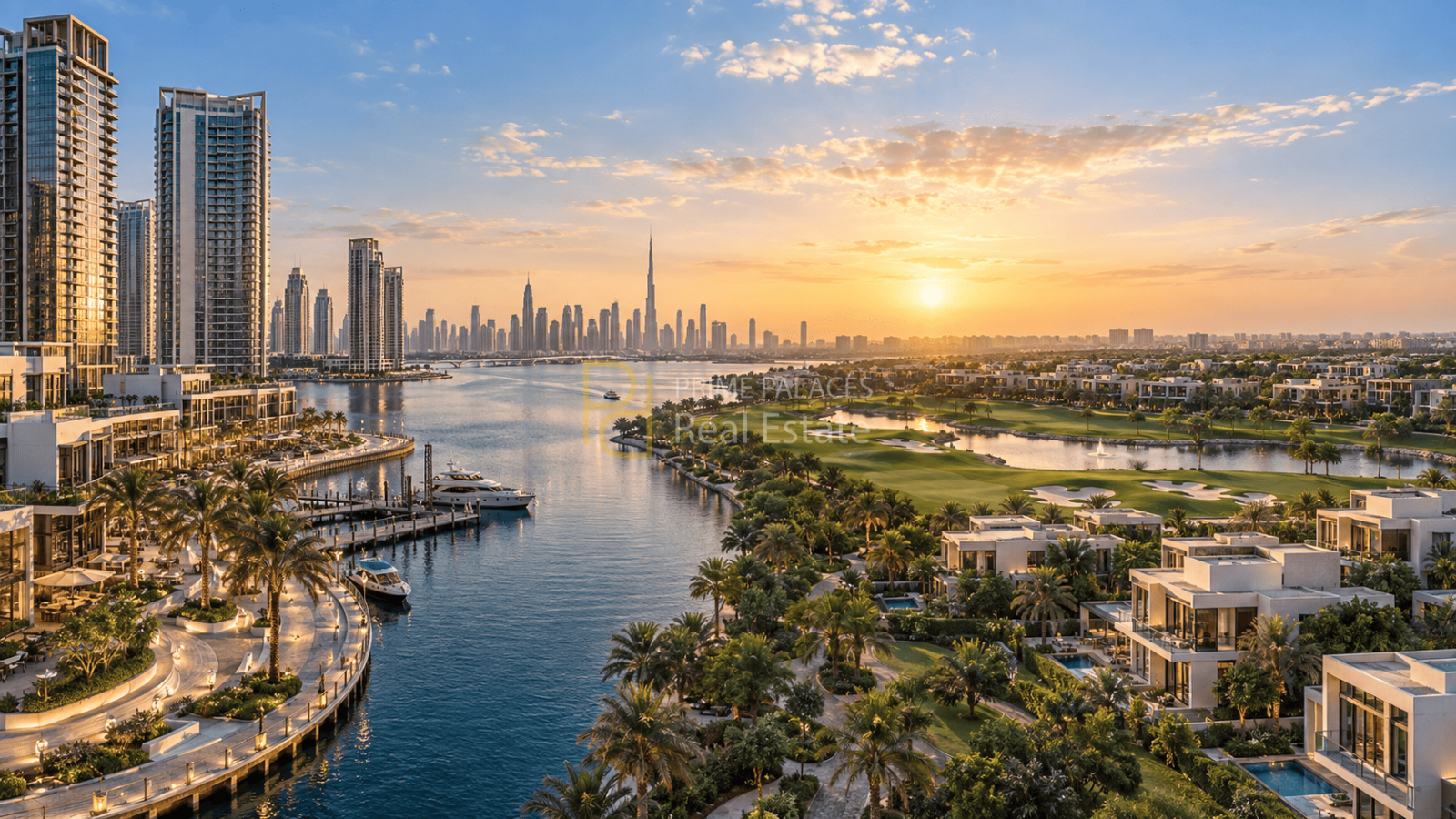
Topluluk, zaten apartmanlar, perakende, konaklama, yürüyüş yolları ve kamusal alanlarla büyük bir su kenarı destinasyonu olarak geliştirilmektedir.
Ancak Mavi Hat, özellikle önemli bir şeyi tanıtıyor: doğrudan Metro bağlantısı.
İkonik Emaar Properties İstasyonu
Dubai Creek Harbour, Mavi Hattın imza istasyonlarından birini alacaktır.
Emaar Properties İstasyonu'nın, tamamlandığında dünyanın en yüksek metro istasyonu olması planlanmaktadır ve yaklaşık 74 metre yüksekliğinde olacaktır.
RTA, istasyonun Dubai Creek Harbour'daki yaklaşık 40,000 sakine ve ziyaretçilere hizmet vermesini beklemektedir.
İşlemler başladığında günde 70,000'den fazla yolcunun istasyonu kullanması beklenmektedir.
Bunun Gayrimenkul İçin Önemi Nedir?
Creek Harbour şu anda alıcıları büyük ölçüde şunlar nedeniyle çekmektedir:
-
Su kenarı yaşamı
-
Yeni gelişmeler
-
Dubai silueti manzaraları
-
Marina ortamı
-
Şehir merkezine yakınlık
-
Emaar ana planlaması
Doğrudan Metro erişimi, yatırım durumuna bir katman daha ekliyor.
Bölge, tamamen bir araca bağımlı olmadan su kenarı yaşamı isteyen sakinler için daha çekici hale gelebilir.
Yatırımcıların İzlemesi Gerekenler
Her Creek Harbour gayrimenkulü eşit şekilde fayda sağlamayacaktır.
Dikkate alınması gerekenler:
-
İstasyona yürüme mesafesi
-
Bina konumu
-
Manzara
-
Teslim tarihi
-
Gelecek inşaatlar
-
Hizmet ücretleri
-
Rekabetçi arz
Ulaşım ile doğrudan bağlantılı bir su kenarı dairesi, daha geniş ana planın çok daha iç kısmında bulunan bir birimden farklı bir uzun vadeli profile sahip olabilir.
2. Dubai Silicon Oasis: Büyük Bir Bağlantı Yükseltmesi
Dubai Silicon Oasis, başka bir önemli faydalanıcı olabilir.
Zaten şunları birleştiren yerleşik bir karma kullanım bölgesidir:
-
Konut toplulukları
-
Teknoloji şirketleri
-
Ofisler
-
Okullar
-
Perakende
-
İnovasyon tesisleri
Dubai Silicon Oasis, ayrıca Dubai 2040 Kentsel Master Planı içinde yer alan bir kentsel merkez olarak tanımlanmaktadır.
Mavi Hattın Önemi Nedir?
Silicon Oasis, tarihsel olarak büyük ölçüde karayolu taşımacılığına bağımlı olmuştur.
Doğrudan Metro erişimi, Dubai'nin diğer bölgelerinde çalışan sakinler için işe gidip gelmeyi önemli ölçüde kolaylaştırabilirken, aynı zamanda bölgeyi çalışanlar ve ziyaretçiler için daha erişilebilir hale getirebilir.
Mavi Hattın, hizmet verdiği alanlardan Dubai Uluslararası Havalimanı'na yaklaşık 20 dakikada doğrudan yolculuklar sağlaması beklenmektedir.
Potansiyel Gayrimenkul Etkisi
Gelişmiş bağlantı, Silicon Oasis'ın çekiciliğini şu gruplar arasında artırabilir:
-
Teknoloji profesyonelleri
-
Genç profesyoneller
-
Aileler
-
Öğrenciler
-
Havalimanı bağlantılı çalışanlar
Gayrimenkul yatırımcıları için en alakalı fırsatlar, gelecekteki istasyona yürüme veya besleyici ulaşım mesafesinde konumlanan konut binaları olabilir.
3. Dubai Academic City: Bir Öğrenci Konut Hikayesi
Dubai Academic City, farklı bir yatırım durumu sunmaktadır.
RTA, bölgenin 2029 yılına kadar 50,000'den fazla üniversite öğrencisini barındırmasını beklemektedir.
Bu, konaklama, ulaşım, perakende ve hizmetler gerektiren potansiyel olarak önemli bir nüfus tabanı oluşturur.
Metro Erişiminin Önemi Nedir?
Öğrenciler, genellikle villa sahibi ailelerden daha fazla toplu taşıma bağımlılığına sahiptir.
Academic City'nin doğrudan Metro ağına bağlanması, bu nedenle erişilebilirliği önemli ölçüde artırabilir.
Potansiyel talep, şunlar etrafında gelişebilir:
-
Öğrenci konaklaması
-
Stüdyolar
-
Bir odalı daireler
-
Uygun fiyatlı konut birimleri
-
Perakende
-
Yiyecek ve içecek
-
Öğrenci odaklı hizmetler
Ancak Yatırımcıların Seçici Olması Gerekiyor
Öğrenci talebi, her yakın dairenin güçlü bir yatırım olacağı anlamına gelmez.
Yatırımcılar şunları incelemelidir:
-
Gerçek üniversite yakınlığı
-
Öğrenci konut rekabeti
-
Kira uygunluğu
-
Bina kalitesi
-
Toplu taşıma erişimi
-
Birim boyutu
-
Gelecek konut arzı
Bu nedenle Academic City, Creek Harbour'dan daha özel bir yatırım fırsatı olabilir.
4. International City: Uygun Fiyatlı Topluluktan Metro Aktarma İstasyonuna
International City, bağlantıda en önemli değişikliklerden birini yaşayabilir.
Topluluk, zaten Dubai'nin yerleşik uygun fiyatlı konut bölgelerinden biridir ve Dragon Mart ile yakından ilişkilidir.
Mavi Hat, International City 1'i yeni ağın merkezine yerleştirecektir.
Büyük Bir Yer Altı Aktarma İstasyonu
International City 1, iki Mavi Hat güzergahını bağlayan büyük bir yer altı aktarma istasyonu içerecektir.
Bu, Mirdif ve Al Warqa yönünden gelen yolcuların burada Silicon Oasis, Academic City ve Creek koridoruna giden hizmetlerle bağlantı kuracağı anlamına gelir.
Bunun Önemi Nedir?
International City'nin gayrimenkul teklifi tarihsel olarak uygun fiyatlar etrafında şekillenmiştir.
Metro erişimi, bu teklifi önemli ölçüde geliştirecek şekilde hareketliliği artırabilir.
Bu, diğer Dubai bölgelerinde çalışan ancak uygun fiyatlı konutları önceliklendiren kiracılar için özellikle önemli olabilir.
Yatırımcıların İzlemesi Gerekenler
International City'nin ayrıca önemli bir konut arzı bulunmaktadır.
Bu nedenle, yatırım sorusu yalnızca Metro'nun gelip gelmeyeceği değildir.
Yatırımcılar şunları incelemelidir:
-
Bina durumu
-
Kesin istasyon yakınlığı
-
Kira talebi
-
Hizmet ücretleri
-
Mevcut ve gelecekteki arz
-
Birim yerleşimi
-
Yeniden satış likiditesi
Altyapı bir konumu geliştirebilir, ancak bireysel gayrimenkul kalitesi hala önemlidir.
5. Dubai Festival City: Daha Geniş Şehre Daha İyi Bağlantı
Dubai Festival City, zaten şunlarla yerleşik bir su kenarı bölgesidir:
-
Konut gayrimenkulleri
-
Oteller
-
Perakende
-
Dubai Festival City Alışveriş Merkezi
-
Ofisler
-
Eğlence
-
Su kenarı yemek alanları
Mavi Hat, bölgeye doğrudan Metro erişimi sağlayacaktır.
Burada Bağlantının Önemi Nedir?
Festival City, zaten güçlü bir karayolu erişimine ve Dubai Uluslararası Havalimanı'na yakınlığa sahiptir.
Metro bağlantısı, toplu taşıma tercih eden sakinler, çalışanlar ve ziyaretçiler için daha erişilebilir hale getirebilir.
Bu, onu temelde gelişmemiş bir alan olmaktan çok, karışık bir kullanım destinasyonu olarak konumunu güçlendirebilir.
Yatırım Durumu
Festival City'nin potansiyel faydası, dolayısıyla yeni bir mahalle keşfetmekten çok, zaten yerleşik birinin konforunu artırmakla ilgilidir.
Bu ayrım önemlidir.
Yatırımcılar, her yerleşik alanın yeni altyapıya, gelişen bir bölge gibi aynı şekilde yanıt vereceğini beklememelidir.
6. Mirdif: Yerleşik Bir Konut Topluluğu İçin Metro Erişimi
Mirdif, başka bir ilginç durumdur.
Creek Harbour'ın aksine, öncelikle bir off-plan yatırım destinasyonu değildir.
Özellikle şunlar için bilinen yerleşik bir konut alanıdır:
-
Villalar
-
Aile yaşamı
-
Okullar
-
Alışveriş
-
Dubai Uluslararası Havalimanı'na yakınlık
Mavi Hat, daha geniş Mirdif koridoruna Metro bağlantısı getirecektir.
Ne Değişebilir?
Mirdif, tarihsel olarak güçlü bir araç odaklı olmuştur.
Metro erişimi, sakinler için işe gidip gelme seçeneklerini iyileştirebilir ve topluluğun bazı kısımlarını, toplu taşıma erişimi sağlarken aile odaklı yaşam isteyen insanlar için daha çekici hale getirebilir.
Mirdif, Metro Nedeniyle Bir Yatırım Merkezi Mi?
Bu sonuç, erken bir değerlendirme olur.
Mirdif'in gayrimenkul piyasası, konut karışımı ve mülkiyet fırsatları, daire ağırlıklı yatırım bölgelerinden farklıdır.
Bu nedenle, Metro, hızlı gayrimenkul değer artışı garantisi değil, yerleşik bir konut topluluğuna yapılan bir iyileştirme olarak görülmelidir.
7. Al Warqa: İzlenmesi Gereken Bir Bağlantı Hikayesi
Al Warqa, Mavi Hat tarafından hizmet verilecek başka bir yerleşik konut alanıdır.
Topluluk, büyük ölçüde şunlarla karakterize edilmektedir:
-
Villalar
-
Aile konutları
-
Okullar
-
Yerel perakende
-
Daha düşük yoğunluklu konut mahalleleri
Mirdif gibi, Al Warqa da tarihsel olarak karayolu taşımacılığına büyük ölçüde bağımlıdır.
Yatırımcıların Al Warqa'yı İzlemesi Gereken Nedenler
Metro, bölgenin bağlantısını şunlarla iyileştirebilir:
-
International City
-
Silicon Oasis
-
Academic City
-
Mevcut Kırmızı Hat
-
Dubai Uluslararası Havalimanı
Gayrimenkul üzerindeki etkisi, Al Warqa'nın yüksek yoğunluklu daire yatırımlarına daha az bağımlı olması nedeniyle, Creek Harbour veya International City'den farklı gelişebilir.
Ras Al Khor: Uzun Vadeli Gelişim Potansiyeli
Ras Al Khor, yeni güzergahın birkaç önemli parçası arasında yer almaktadır.
Mavi Hat, Dubai Creek Harbour ile International City arasında Ras Al Khor koridorundan geçecektir.
Bu, merkezi Dubai'ye yakın stratejik bir konumda bulunan bir alanın erişilebilirliğini artırabilir.
Ancak, yatırımcıların özellikle şunlar arasında ayrım yapmaları önemlidir:
-
Mevcut konut gayrimenkulleri
-
Sanayi alanları
-
Gelecek yeniden geliştirmeler
-
Açıklanan ana planlar
-
Spekülatif beklentiler
Gelecekteki bir ulaşım koridoruna yakın her parsel, mutlaka konut haline gelmeyecek veya aynı değer artışını yaşamayacaktır.
Hangi Alanlar En Çok Faydalanabilir?
Hangi lokasyonun en güçlü gayrimenkul getirisini sağlayacağını garanti etmenin güvenilir bir yolu yoktur.
Ancak topluluklar, alacakları potansiyel fayda türüne göre gruplandırılabilir.
Dubai Creek Harbour
Potansiyel fayda: Su kenarı ana planı + doğrudan Metro + gelecekteki gelişim.
Dubai Silicon Oasis
Potansiyel fayda: Kamu ulaşımında önemli ölçüde daha güçlü hale gelen yerleşik teknoloji/konut bölgesi.
Academic City
Potansiyel fayda: Öğrenci nüfusu + Metro erişilebilirliği.
International City
Potansiyel fayda: Uygun fiyatlı konut + büyük aktarma istasyonu.
Dubai Festival City
Potansiyel fayda: Doğrudan Metro erişimi kazanan yerleşik karma kullanım su kenarı destinasyonu.
Mirdif ve Al Warqa
Potansiyel fayda: Aile topluluklarının daha az araç bağımlı hale gelmesi.
Bunlar farklı yatırım hikayeleridir.
Yatırımcılar, her Mavi Hat lokasyonunu aynı fırsat olarak değerlendirmekten kaçınmalıdır.
20 Dakikalık Şehir Stratejisi
Mavi Hat, bir ulaşım projesinden daha büyük bir şeyin parçasıdır.
Dubai'nin 2040 Kentsel Master Planı, sakinlerin yaklaşık 20 dakika içinde %80'den fazla temel hizmete ulaşabileceği bir 20 dakikalık şehir kavramını içermektedir.
Mavi Hat, konut, akademik, ekonomik ve turizm alanlarını daha geniş Metro sistemiyle bağlayarak bunu desteklemektedir.
Gayrimenkul açısından, bu, ulaşım odaklı gelişim üzerinde artan bir vurguyu işaret etmektedir.
Diğer bir deyişle, gelecekteki gayrimenkul değeri, yalnızca bir topluluğun Dubai şehir merkezine ne kadar yakın olduğuna değil, aynı zamanda sakinlerin işlere, okullara, havalimanlarına ve hizmetlere özel araçlara tamamen bağımlı olmadan ne kadar verimli erişebileceğine de bağlı olabilir.
Bir Metro İstasyonu Yakınında Alım Yapmak Otomatik Olarak İyi Bir Yatırım Değildir
Bu, yatırımcılar için en önemli noktadır.
Gelecekteki bir Metro istasyonu, bir alanı iyileştirebilir.
Ancak kötü bir gayrimenkul alımını düzeltemez.
Alım yapmadan önce, yatırımcılar hala şunları incelemelidir:
Giriş Fiyatı
Beklenen Metro faydası, gayrimenkulün fiyatına dahil edilmiş mi?
Yürüme Mesafesi
Bir istasyondan beş dakika uzaklıktaki bir gayrimenkul, 15 dakikalık bir sürüş gerektiren bir gayrimenkulden farklı bir çekiciliğe sahip olabilir.
Gelecek Arz
Metro açılmadan önce kaç rakip birim teslim edilecek?
Geliştirici
Gayrimenkulü kim inşa ediyor ve teslimat geçmişi nedir?
Kiracı Profili
Birimi kim kiralayacak?
Hizmet Ücretleri
Daha yüksek işletme maliyetleri, net kira getirilerini azaltabilir.
Teslim Zamanlaması
Gayrimenkul, Metro açılışından önce, etrafında veya önemli ölçüde sonra mı teslim edilecek?
Çıkış Stratejisi
Gayrimenkulü sizden kim alacak?
Altyapı, yatırım tezini desteklemelidir.
Yerine geçmemelidir.
Mavi Hat Açılmadan Önce Alım Yapmalı Mıyım?
Planlanan açılış tarihi, off-plan yatırımcıları için ilginç bir pencere oluşturuyor.
Büyük altyapı çalışmaları faaliyete geçmeden birkaç yıl önce satın alınan gayrimenkuller, çevredeki topluluk geliştikçe potansiyel olarak fayda sağlayabilir.
Ancak erken alım yapmak da riskler taşır.
İnşaat takvimleri değişebilir.
Gayrimenkul arzı artabilir.
Piyasa koşulları değişebilir.
Ve geliştiriciler, gelecekteki altyapıyı lansman fiyatlarına dahil etmiş olabilir.
Daha İyi Soru
Şunu sormak yerine:
“Metro açılmadan önce almalı mıyım?”
Şunu sorun:
“Metro bu hikayenin bir parçası olmasaydı, bu gayrimenkulü yine de ister miydim?”
Eğer cevap evet ise—ve Metro ek bir avantaj sağlıyorsa—yatırım durumu daha güçlü olabilir.
Eğer tüm yatırım, bir istasyondan kaynaklanan varsayılan gelecekteki değer artışına bağlıysa, strateji daha fazla risk taşır.
Sıkça Sorulan Sorular
Dubai Metro Mavi Hattı ne zaman açılacak?
Resmi hedef 9 Eylül 2029'dur.
Dubai Metro Mavi Hattı ne kadar uzun?
Proje yaklaşık 30 kilometreyi kapsamakta ve 14 istasyon içermektedir.
Hangi alanlar Mavi Hattın hizmetine girecek?
Güzergah, Dubai Festival City, Dubai Creek Harbour, Ras Al Khor, International City, Dubai Silicon Oasis, Academic City, Mirdif ve Al Warqa gibi alanlara hizmet vermektedir.
Mavi Hat mevcut Dubai Metro'suna bağlanacak mı?
Evet. Creek İstasyonu'nda Yeşil Hat ile ve Centrepoint İstasyonu'nda Kırmızı Hat ile bağlantı sağlayacaktır.
Dubai Creek Harbour bir Metro istasyonu alacak mı?
Evet. Dubai Creek Harbour, dünyanın en yüksek metro istasyonu olarak planlanan ikonik Emaar Properties İstasyonu'na sahip olacaktır.
Mavi Hat nedeniyle gayrimenkul fiyatları yükselecek mi?
RTA, Mavi Hat istasyonları etrafındaki arsa ve gayrimenkul değerlerinin %25'e kadar artabileceğini öngörmektedir. Bu, bir altyapı projeksiyonu olup, bireysel gayrimenkuller için garanti edilen bir getiri değildir.
Dubai Silicon Oasis bir Metro istasyonu alacak mı?
Evet. Dubai Silicon Oasis, Mavi Hattın doğrudan hizmet verdiği büyük bölgelerden biridir.
International City bir Metro istasyonu alacak mı?
Evet. International City 1, yeni ağda büyük bir yer altı aktarma istasyonu içerecektir.
Sonuç: Altyapıyı Takip Edin, Ama Sayıları da Takip Edin
Dubai Metro Mavi Hattı, doğu Dubai'nin büyük bir kısmında erişilebilirliği yeniden şekillendirebilir.
Dubai Creek Harbour, su kenarı ana planı ile doğrudan Metro erişimi kazanır.
Dubai Silicon Oasis, daha geniş demir yolu ağına bağlanır.
Academic City, büyüyen öğrenci nüfusu için toplu taşıma altyapısı kazanır.
International City büyük bir aktarma istasyonu haline gelir.
Festival City, bir katman daha bağlantı kazanır.
Ve Mirdif ve Al Warqa gibi yerleşik topluluklar, araçlara daha az bağımlı hale gelir.
Gayrimenkul yatırımcıları için bu, fırsatlar yaratır—ama garantiler değil.
RTA'nın istasyonlar etrafındaki gayrimenkul değer artışlarının %25'e kadar çıkabileceği projeksiyonu, projenin ekonomik önemini göstermektedir.
Ancak Metro, yatırım kararının yalnızca bir parçası olmalıdır.
Giriş fiyatı, geliştirici kalitesi, kira talebi, gelecekteki arz, birim türü ve çıkış stratejisi hala önemlidir.
En güçlü gayrimenkul yatırımı, genellikle sadece gelecekteki bir istasyona en yakın olan değildir.
Altyapının, talebin ve sayılarının birlikte çalıştığı gayrimenkuldür.
Prime Palaces Nasıl Yardımcı Olabilir
Prime Palaces, uluslararası yatırımcılara, Dubai gayrimenkul fırsatlarını yalnızca lansman günü pazarlamasına dayanmadan tanımlamalarına yardımcı olur.
Yer, altyapı, geliştirici kalitesi, ödeme planları, kira talebi, gelecekteki arz ve çıkış potansiyelini analiz ederek alıcıların daha geniş yatırım durumunu anlamalarına yardımcı olur.
Dubai Metro Mavi Hattı boyunca toplulukları düşünen yatırımcılar için fırsat, yalnızca bir istasyonun yakınında satın almak değildir.
Doğru gayrimenkulü, doğru fiyatla, geliştirilmiş bağlantının bölgenin kullanımını değiştirmeden önce tanımlamaktır.