





Dubay Rivojlantiruvchilar 2026-yilgi Harakat O'zgarishi uchun Osmono'par Bino Tomonida Havo Taksi Kirish imkoniyatini qo'shmoqda
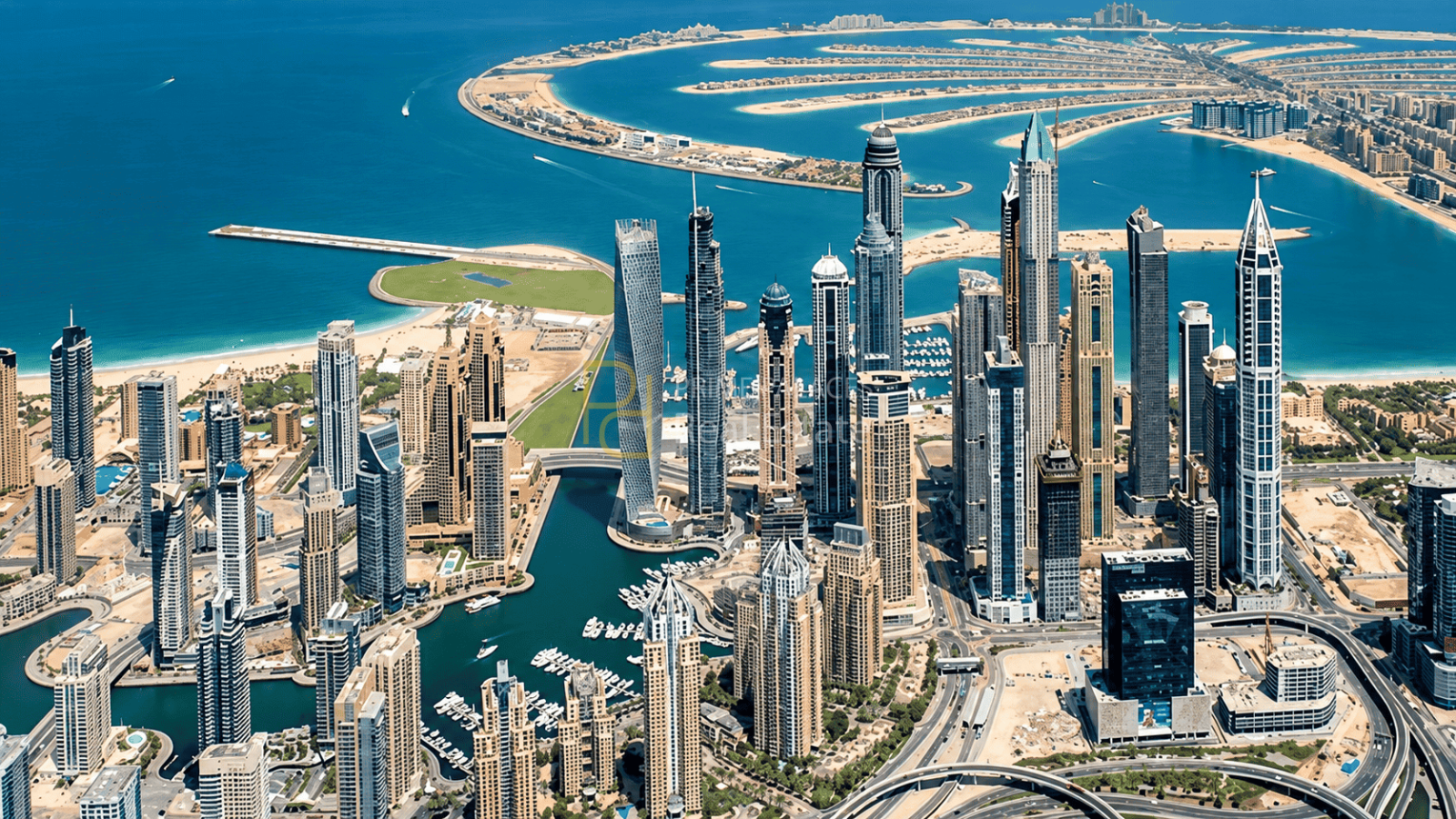
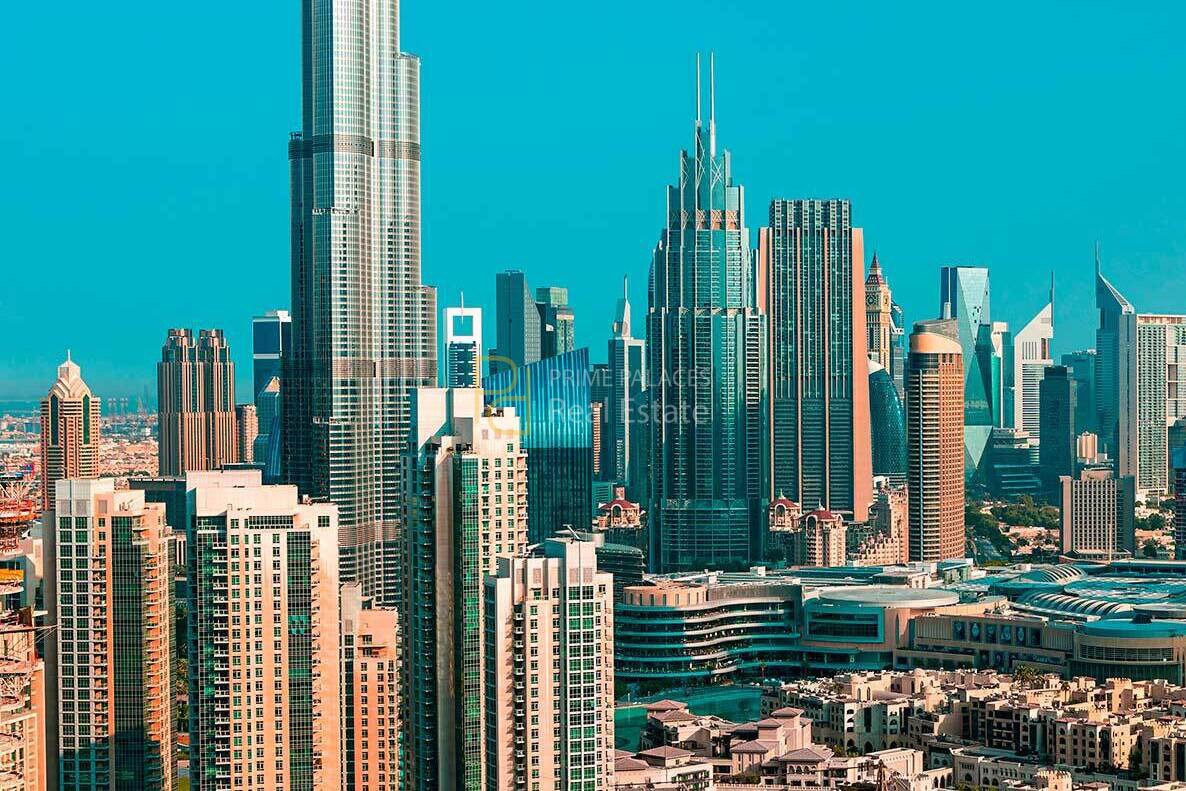
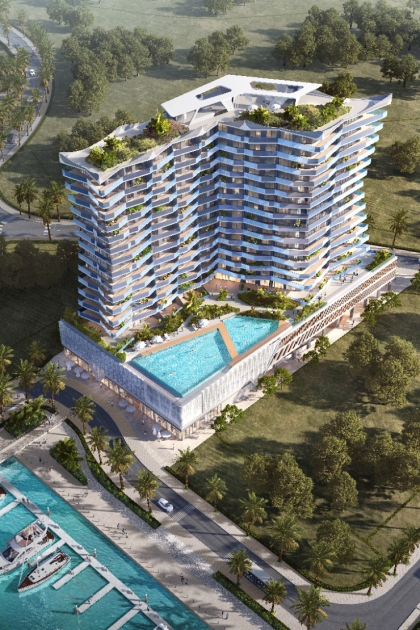
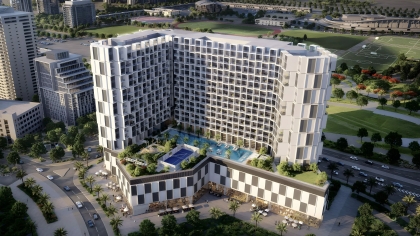
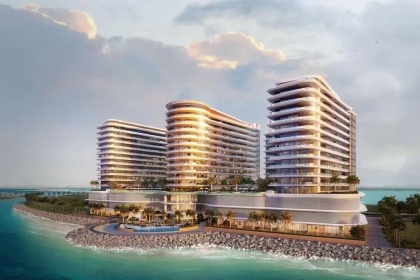
Dubay kelajak shahar harakatining yangi davriga kirmoqda, yangi turar joy va tijorat minoralari endi havo taksilari uchun tomga kirish imkoniyatini o'z ichiga olishi uchun loyihalamoqda. Emirlik 2026-yilda o'zining birinchi tijorat havo taksi xizmatlariga tayyorgarlik ko'rayotganida, yirik rivojlantiruvchilar Yo'llar va Transport Boshqarmasi (RTA) bilan bevosita ishlamoqda, vertiportlar kelajakdagi tumanlar va jamoalar arxitekturasiga integratsiya qilinishi uchun.
Strategiya havo harakatini ko'chaga tushish uchun liftga chiqish kabi oson va qulay bo'lishini ko'zda tutadi. Rivojlantiruvchilar tomlar va shaxsiy teraslarni qo'shmoqda, bu kelajakda elektr havo transport vositalari uchun qo'nish imkoniyatini ta'minlaydi. Maqsad havo taksilarini faqat hashamatli sayohatlar bilan cheklash emas, balki xizmatni kundalik hayotga kiritish, aholiga vertiportga piyoda yetib borish va shahar bo'ylab sayohatlarni bir necha daqiqada amalga oshirish imkonini berishdir.
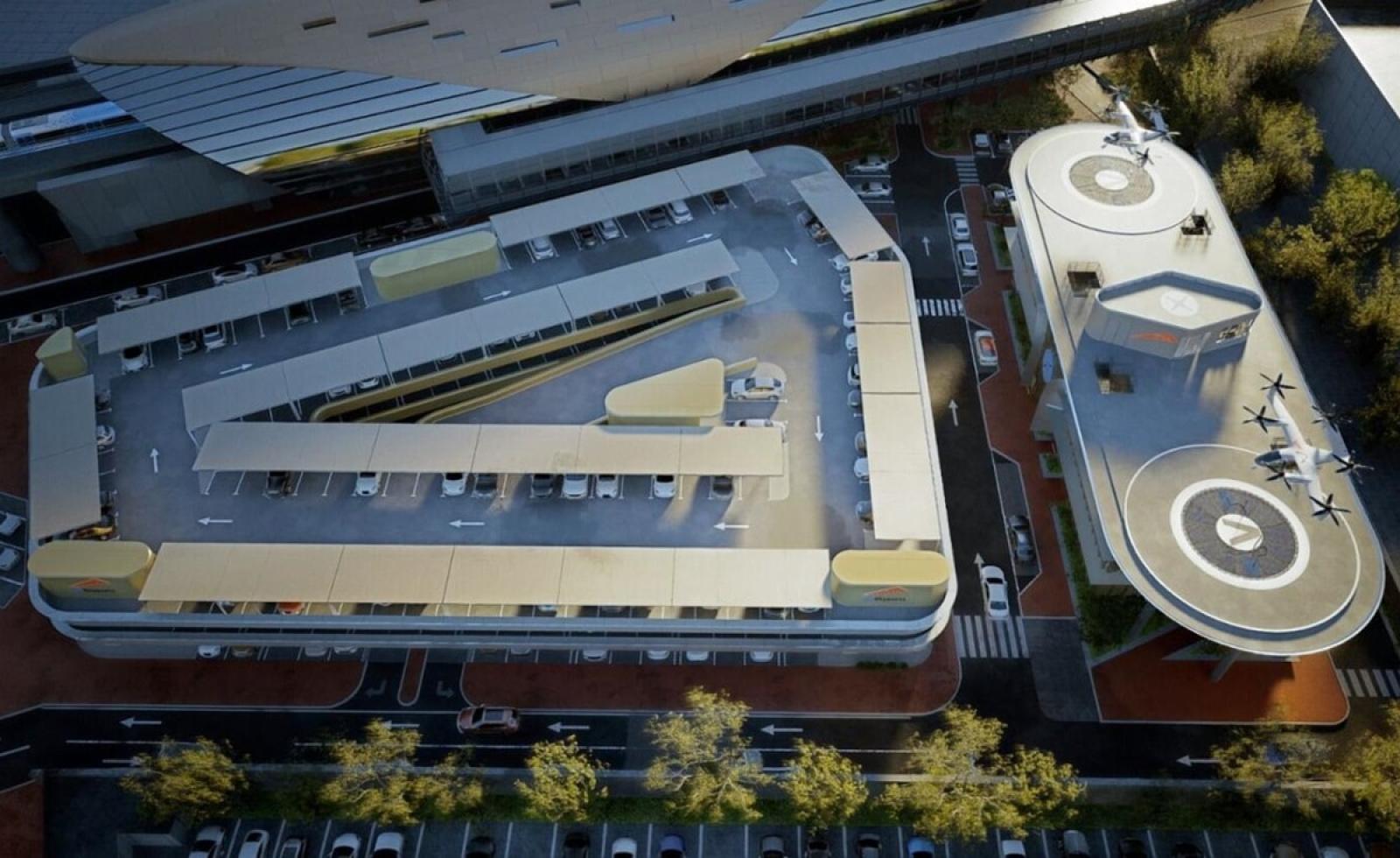
Shahar allaqachon yerda infratuzilmani tayyorlashni boshladi. Dubay Xalqaro Aeroporti yaqinidagi birinchi vertiport hozirda 60 foiz tayyor va 2026-yilning boshida tayyor bo'lishi kutilmoqda. Tijorat xizmatlari ishga tushganda, to'rtta vertiport ishga tushirilishi kutilmoqda, bu nuqtadan nuqtaga yo'llar bog'langan mikro-tarmoqni yaratadi.
Muayyan aviatatsiya yutuqlarida Dubay yaqinda birinchi jonli nuqtadan nuqtaga havo taksi parvozini o'tkazdi, elektr samolyoti Margham sinov maydonidan Dubay Aeroporti maydoniga atigi 17 daqiqada uchdi. Ushbu namoyish shahar havo harakatining tezlik afzalligini ko'rsatdi va samolyotlarni malakali qilish va tartibga solish tayyorgarligida muhim qadam bo'ldi.
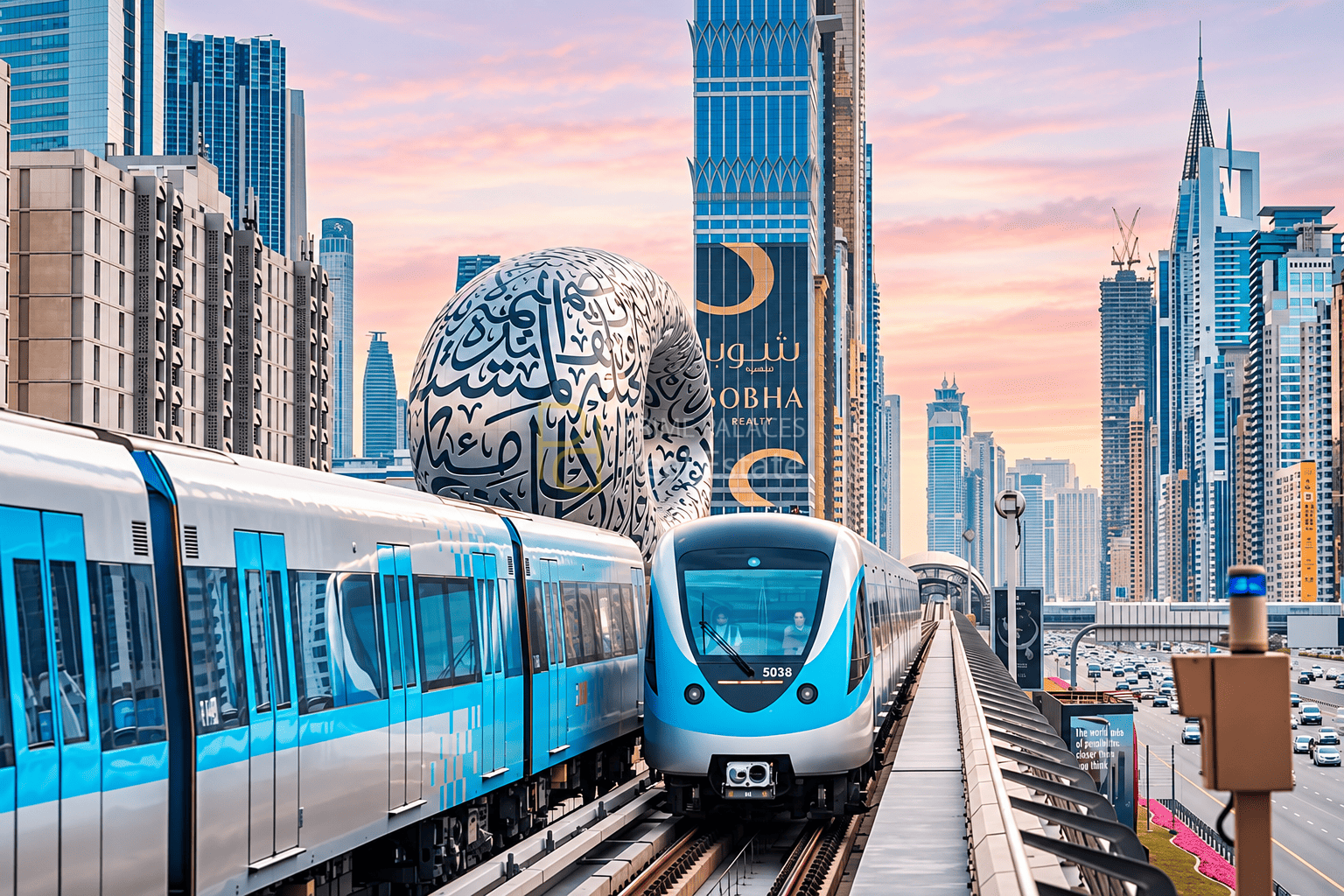
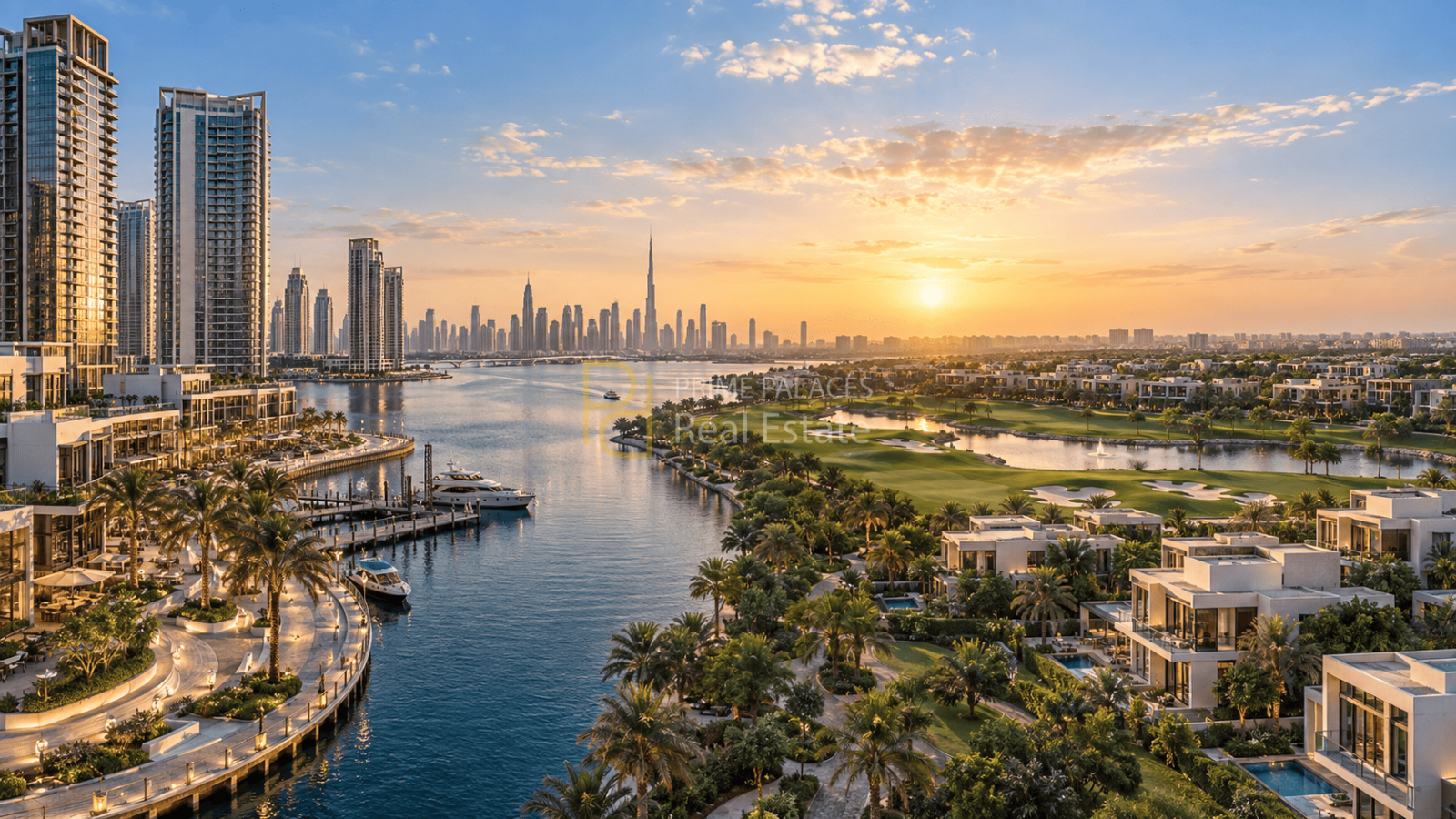
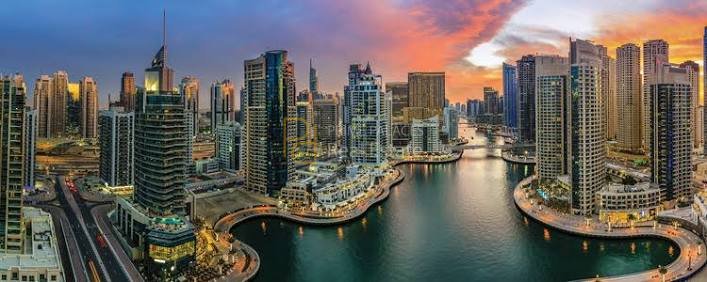
Amalga oshirish faqat tom infratuzilmasini qo'shish bilan cheklanmaydi. Dubay havo bilan bog'langan shaharlar uchun zamonaviy shablonni ishlab chiqmoqda, bu yerda vertiportlar jamoalar, ofislar, shahar bog'lari, metro almashuv joylari va suv bo'yidagi tumanlarga yaqin joylashgan. Kelajak tasavvuri aholining mahalliy vertiportga borishi, besh-die daqiqa havo sayohatini amalga oshirishi va maqsadli binoning tomiga, masalan, mehmonxona, korporativ minorasi yoki turar joy majmuasiga qo'nishi haqida tasavvur qiladi.
Sanoat mutaxassislari Dubayda to'liq vertiport tarmog'ini shakllantirish — dunyoning eng murakkab va qimmat ko'chmas mulk bozorlaridan biri — global shaharlar uchun kengaytiriladigan model yaratadi, deydi. Agar havo harakati Dubayning zich siluetida ishlay oladigan bo'lsa, bir xil kontseptsiya moliyaviy markazlar, suv bo'yidagi joylar va rivojlanayotgan aqlli shaharlar bo'yicha takrorlanishi mumkin.
Jamoaning tayyorgarligi ham ustuvor ahamiyatga ega, ayniqsa Dubay 2026-yilning boshlarida o'zining birinchi jamoat sinov parvozlarini taqdim etganda. Xavfsizlik, parvoz shovqini va operatsion standartlar haqida ishonchni oshirish uchun jamoatchilik ta'lim kampaniyalari va namoyish parvozlari rejalashtirilmoqda. Elektr samolyotlari an'anaviy vertolyotlardan sezilarli darajada jimroqdir va texnologiya rivojlanishi davom etar ekan, yanada kamayishlar kutilmoqda.
Dubay kelasi yilda o'zining birinchi pilot faqat sinov operatsiyalarini kutmoqda, keyin esa tijorat yo'nalishlarini bosqichma-bosqich ishga tushirishni rejalashtirmoqda. Tarmoq yirik shahar markazlarini bog'laydigan nuqtadan nuqtaga sayohatlar bilan boshlanadi, so'ngra shahar bo'ylab tarmoqni kengaytiradi. Vaqt o'tishi bilan, Dubay havo taksilarini xavfsiz, jim, energiya samarali va muntazam yo'lovchilar uchun arzon qilishni maqsad qilmoqda.
Shahar harakati yangi bobga kirmoqda, bu yerda osmono'par binolar nafaqat belgilardir — balki osmon eshiklaridir. Shaharlar avtomobillardan va an'anaviy transportdan chiqib ketayotganida, Dubay o'zini zamonaviy havo infratuzilmasi va yangi avlod yashash uchun global namoyish sifatida joylashtirmoqda.