



Dubay Ko'chmasi Bozori 2026: Ma'lumot, Qonunchilik va O'lchovlar Ko'chmas Mulk Investitsiyasini Qanday O'zgartirmoqda
Dubayning 2026-yil Ko'chmas Mulk Tsiklini Ta'sir Etuvchi Tuzilmaviy Kuchlar
Dubayning o'sish hikoyasi endi alohida boomslar bilan boshqarilmaydi. Bu endi talab va investor xulq-atvorini qayta shakllantiruvchi ko'paytirilgan asoslar bilan qo'llab-quvvatlanmoqda.
Aholi sonining o'sishi eng kuchli omil bo'lib qolmoqda. 2025-yilda Dubay aholisining soni 4.0 milliondan oshib ketganda, uy-joy talab bozor bo'ylab tuzilmaviy ravishda joylashgan. Ushbu o'sish ish o'rinlari yaratish, biznes migratsiyasi va uzoq muddatli yashash tashabbuslari bilan yaqin bog'liq bo'lib, qisqa muddatli spekulyativ talab o'rniga barqaror foydalanuvchilar va ijarachilar bazasini yaratadi.
Shahar rejalashtirish ushbu o'sishga uzoq muddatli ko'rinish qo'shdi. Dubay 2040 Shahar Master Rejasi infratuzilma, yashash zonalari, transport tizimlari va yashil maydonlar qanday rivojlanishini aniq belgilaydi. Investorlar uchun bu noaniqlikni kamaytiradi va kapitalni uzoq muddatli vaqt gorizonti bilan ajratishga imkon beradi, aktiv tanlovini kelajakdagi shahar ahamiyatiga moslashtiradi, qisqa muddatli tendentsiyalar o'rniga.
Turizm ijaraga talabni oshirishda davom etmoqda. 2025-yilning birinchi yarmida 9.88 million kechki mehmonlar qayd etilgan, Dubayning mehmondo'stlik ekotizimi yashash ko'chmas mulki bilan tobora ko'proq kesishmoqda. Qisqa muddatli ijaralar, xizmat ko'rsatiladigan kvartiralar va aralash foydalanish rivojlanishlari bevosita foyda ko'rmoqda, ayniqsa markaziy va turmush tarzi yo'naltirilgan tumanlarda.
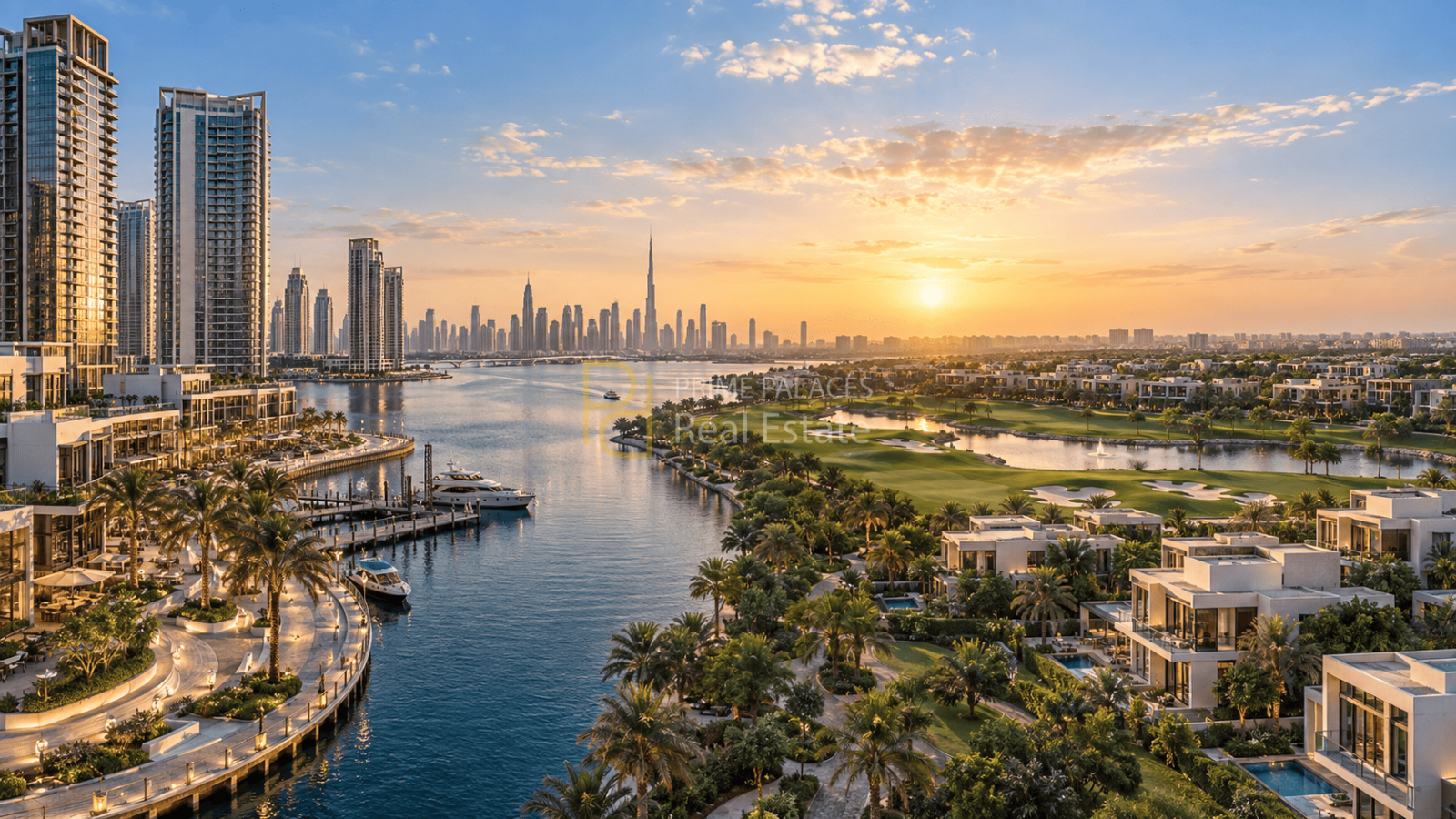
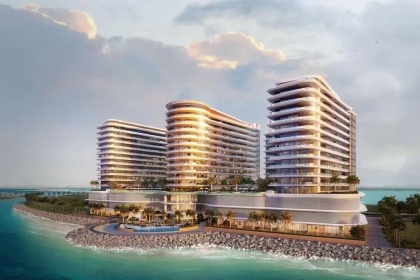
Ta'minot tomoni bo'yicha, Dubayning rivojlanish quvvati yanada bosqichma-bosqich va strategik bo'lib bormoqda. Dubay Creek Harbour va Palm Jebel Ali kabi yirik loyihalar bir vaqtning o'zida bozorni to'ldirish o'rniga bir necha yil davomida inventarizatsiya taqdim etmoqda. E'tiborga molik, Palm Jebel Ali 2027+ hikoyasi sifatida joylashgan, 2026-yil ta'minoti voqeasi emas, yaqin muddatli ortiqcha ta'minot xavfini kamaytiradi va uzoq muddatli foyda saqlanadi.
Dubayda Investitsiya Strategiyasi Qanday O'zgarayotganligi
Bozor yetuklashgani sayin, investorlar imkoniyatlarni baholash usuli o'zgaradi.
Ma'lumotga asoslangan narx belgilash qaror qabul qilishda markaziy ahamiyat kasb etmoqda. Investorlar ko'proq haqiqiy tranzaksiya ma'lumotlariga, bino darajasidagi taqqoslashlarga va qabul qilish ko'rsatkichlariga tayanmoqda, hudud darajasidagi o'rtacha ko'rsatkichlar o'rniga. Ushbu o'zgarish aniqlikni mukofotlaydi va taxminlarni jazolaydi.
Qonunchilik ham daromadlarni to'g'ridan-to'g'ri shakllantirmoqda. Qisqa muddatli ijaraga litsenziya berishdan tortib, ipoteka talablariga va rejalashtirilgan loyihalar uchun hisob-kitob nazoratlariga qadar, muvofiqlik endi samaradorlikda o'lchovli rol o'ynaydi. Yaxshi tuzilgan, muvofiq aktivlar doimo qonunchilikning xiralik joylariga tayanadiganlardan ko'ra yuqori natijalarga erishadi.
Texnologiya ijroni tezlashtirmoqda. Raqamli KYC, masofaviy tranzaksiyalar, avtomatlashtirilgan mijozlar bilan aloqa va ilg'or baholash vositalari, ayniqsa chet el investorlar uchun to'siqlarni kamaytirmoqda. Bu tranzaksiya muddatlarini qisqartiradi va kapital samaradorligini oshiradi.
2026-yildan Oldin Kapital Qayerga Jamlanmoqda
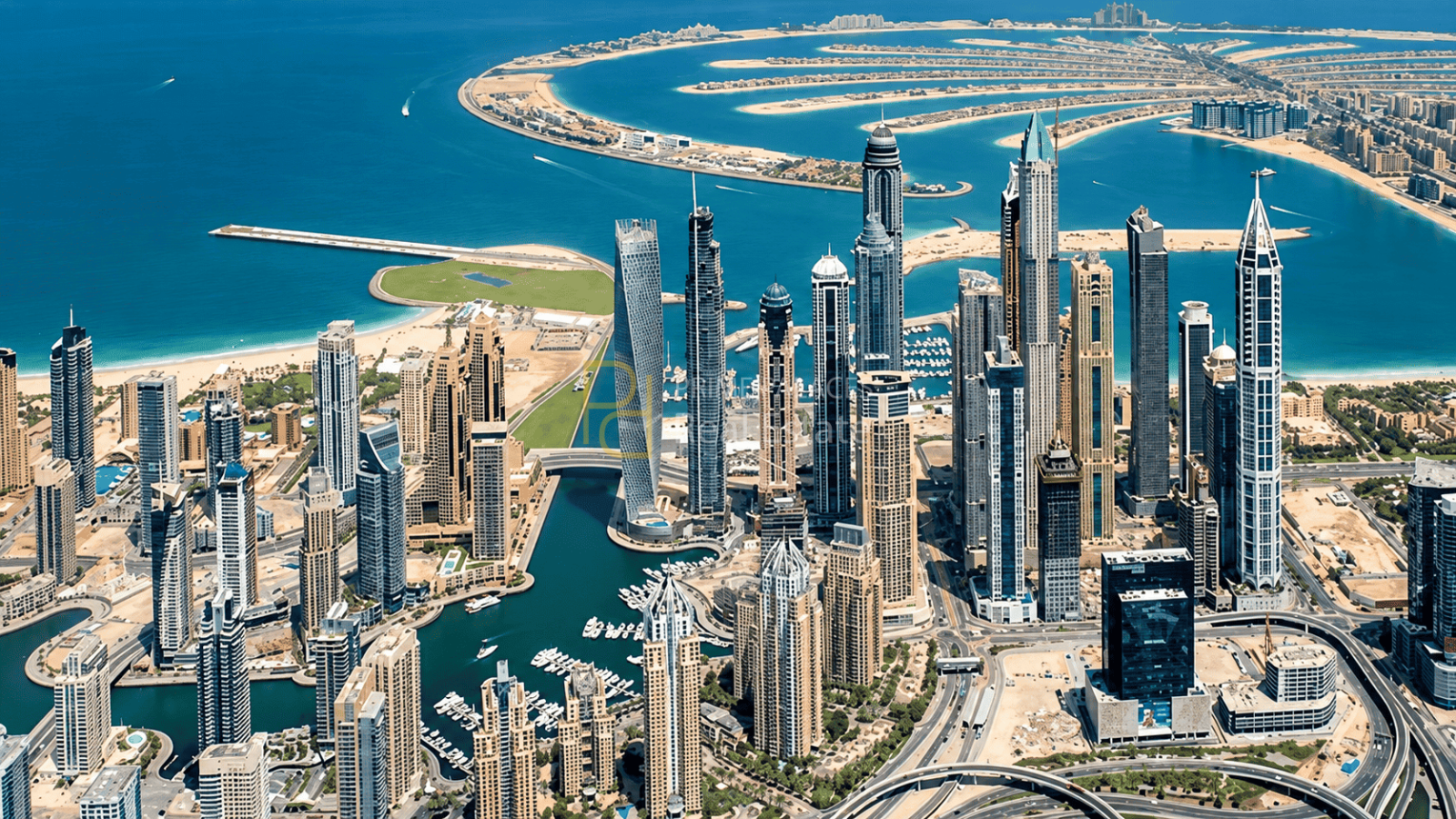
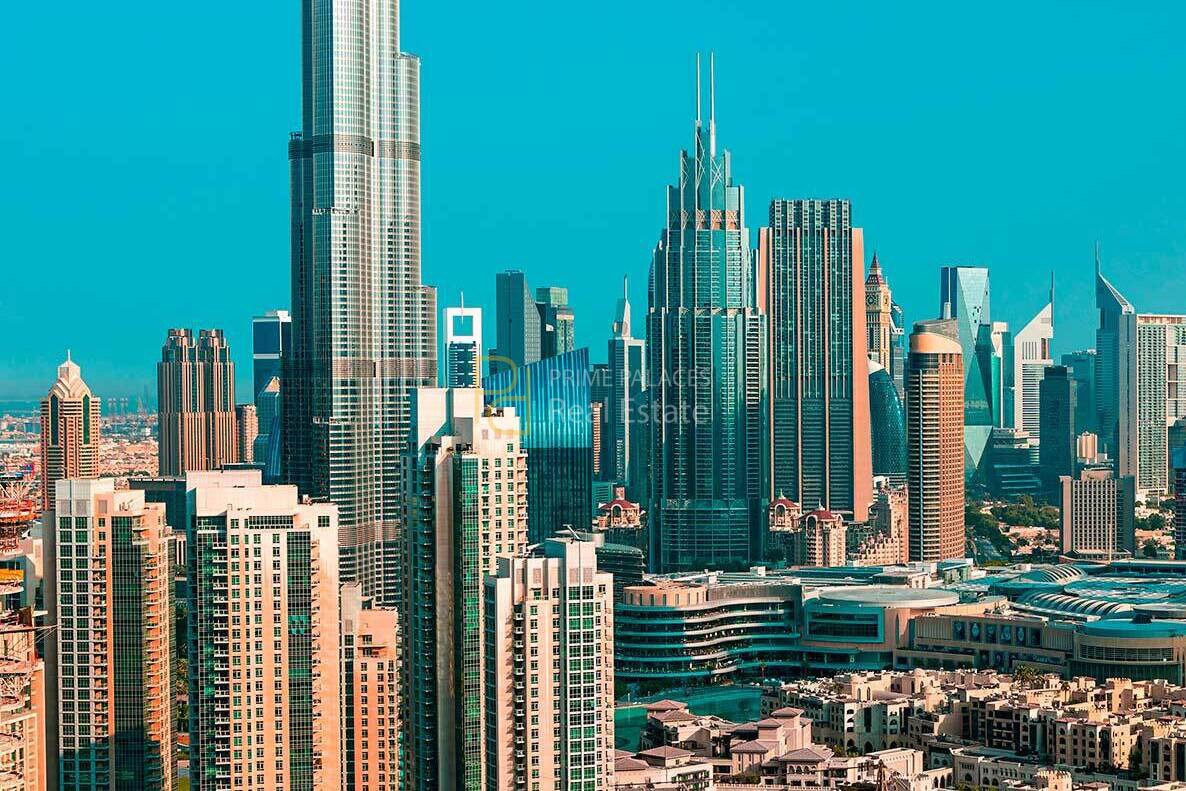
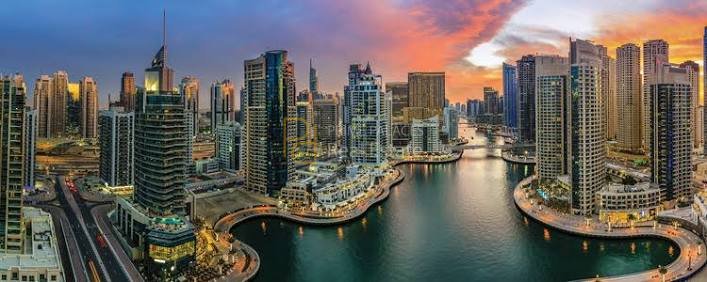
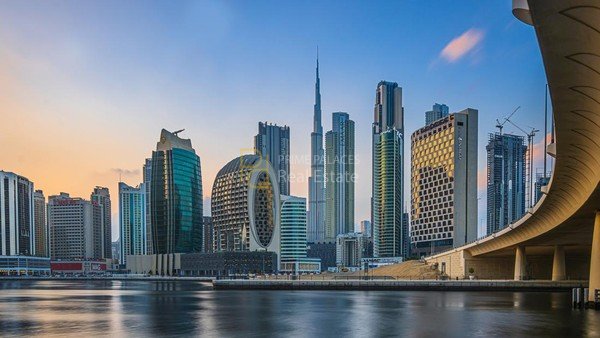
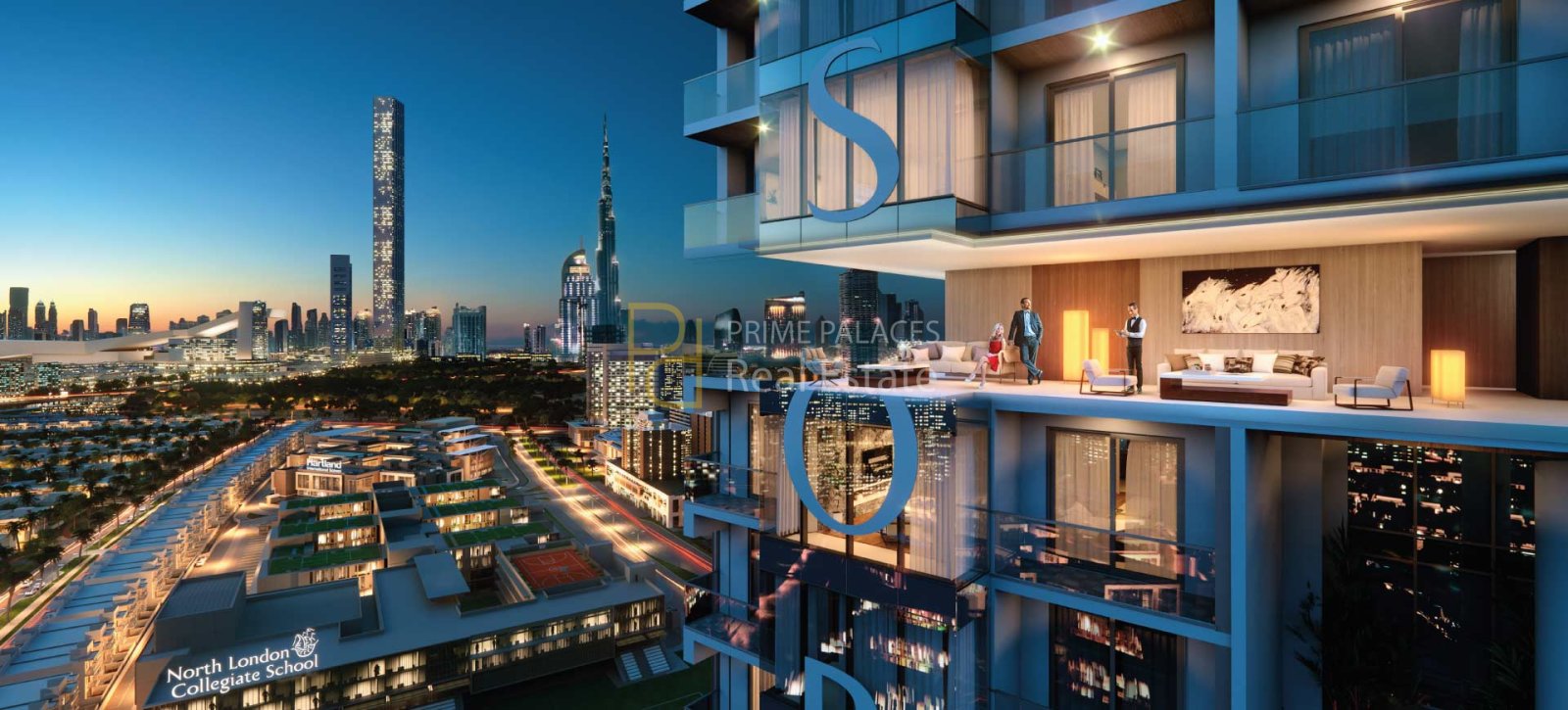
Investor kapitali likvidlik va ko'rinishni ustun qo'yishda davom etmoqda. Downtown Dubay, Business Bay va Dubay Marina kabi o'rnatilgan tumanlar chuqur ijaraga talab va faol qayta sotish bozorlaridan kelib chiqib asosiy mulk sifatida qolmoqda. Shu bilan birga, Dubay Janubi, Muhammad Bin Rashid Shahrida va Jumeirah Village Circle kabi hududlar ko'p yillik o'sish katalizatorlari va kirish nuqtalarini izlayotgan investorlar e'tiborini jalb qilmoqda.
Shahar bo'ylab, kvartiralar villalarga nisbatan kuchliroq umumiy ijaraga daromad keltirmoqda, bu past kirish narxlari va zich shahar zonalarida barqaror ijarachilar talabidan kelib chiqmoqda.
Ushbu O'zgarish Investorlar Uchun Nima Anglatadi
Dubayning 2026-yil ko'chmas mulk bozori disiplinani spekulyatsiyaga nisbatan mukofotlaydi. Imkoniyat hali ham kuchli, lekin endi ustunlik vaqt, qonunchilik, ma'lumot va chiqish strategiyasini tushunishda yotadi. Dubay ko'chmas mulkini tuzilmaviy aktiv sifatida ko'radigan investorlar — qisqa muddatli savdo sifatida emas — shaharning keyingi o'sish bosqichidan foyda ko'rish uchun eng yaxshi joylashuvga ega bo'lishadi.