



Dubay ko'chmas mulk kompaniyalari 2026 yilda yangi natija davriga kiradi
Dubay ko'chmas mulk kompaniyalari 2026 yilda yangi natija davriga kiradi
Dubay ko'chmas mulk bozori 2026 yilga yaqinlashayotganda yangi natija asosida rivojlanish davriga kirmoqda. Muvaffaqiyat qoidalari o'zgarib bormoqda. Aggressiv savdolar va yuzaki marketingga asoslangan an'anaviy brokerlik modellari endi yetarli emas. Bugungi kunda, eng raqobatbardosh Dubay ko'chmas mulk kompaniyalari ma'lumotlar intellekti, ilg'or texnologiyalar va haqiqiy amaliy tajribani birlashtirganlar bo'lib, mijozlar uchun shaffof, yuqori daromadli natijalarni taqdim etadi.
Xaridorlar, ijara beruvchilar va global investorlar uchun aniqlik shov-shuvni o'rnini egalladi. Katta hajm va tezlik bilan belgilangan bozor sharoitida, ishonch endi tasdiqlangan ma'lumotlar, tartibga solish tushunchasi va intizomli ijrodan kelib chiqadi.
Nima uchun 2026 yil Dubay ko'chmas mulk uchun belgilovchi yil
Dubay bir necha tuzilmaviy muhim bosqichlarni bosib o'tdi, bu esa 2026 yilni yangi investitsiya tsiklining boshlanishi sifatida belgilaydi, avvalgisining davom etishi emas.
Aholi o'sishi uy-joy talabini kuchaytirmoqda.
Dubay aholisining soni 2025 yilda 4.0 milliondan oshdi, bu esa bir necha narx segmentlari bo'yicha barqaror talabni yaratmoqda. Bu o'sish spekulyativ emas. U ishga joylashish oqimlari, uzoq muddatli yashash yo'llari va Dubayning mintaqaviy biznes markazi sifatidagi roli bilan bog'liq. Natijada, so'ndirilish kuchayib bormoqda, kuchli infratuzilma, transport kirish imkoniyatlari va o'rnatilgan jamoalar mavjud tumanlarda to'planmoqda.
Dubay 2040 Shahar Master Rejasi uzoq muddatli ishonchni ta'minlaydi.
Dubay 2040 Shahar Master Rejasi 2040 yilga kelib ko'p millionlik aholi o'sishini belgilaydi va uy-joy, infratuzilma, transport va yashil maydonlar qanday rivojlanishini ko'rsatadi. Investorlar uchun bu uzoq muddatli rejalashtirish xavfini kamaytiradi. Ko'chmas mulk kompaniyalari uchun bu kutishlarni oshiradi: mijozlar endi hozirgi xaridlarni kelajakdagi shahar rivojlanishi bilan bog'liq maslahatlarni talab qilmoqda, faqat qisqa muddatli narx harakati emas.
Turizm ijara talabini kuchaytirishda davom etmoqda.
Dubay 2025 yilning birinchi yarmida 9.88 million kechirish mehmonini qabul qildi, bu esa qisqa muddatli ijara, xizmat ko'rsatuvchi uy-joylar va mehmonxona yaqinidagi ko'chmas mulk uchun talabni kuchaytirmoqda. Ushbu turizm mexanizmi asosiy va turmush tarziga qaratilgan tumanlarda ijara daromadlarini qo'llab-quvvatlaydi, shu bilan birga ko'chmas mulk kompaniyalarini mehmonxona ma'lumotlarini yashash investitsiya strategiyalariga kiritishga undaydi.
Mega-loyihalar yetkazib berilishi kelajakdagi ta'minotni o'zgartirmoqda.
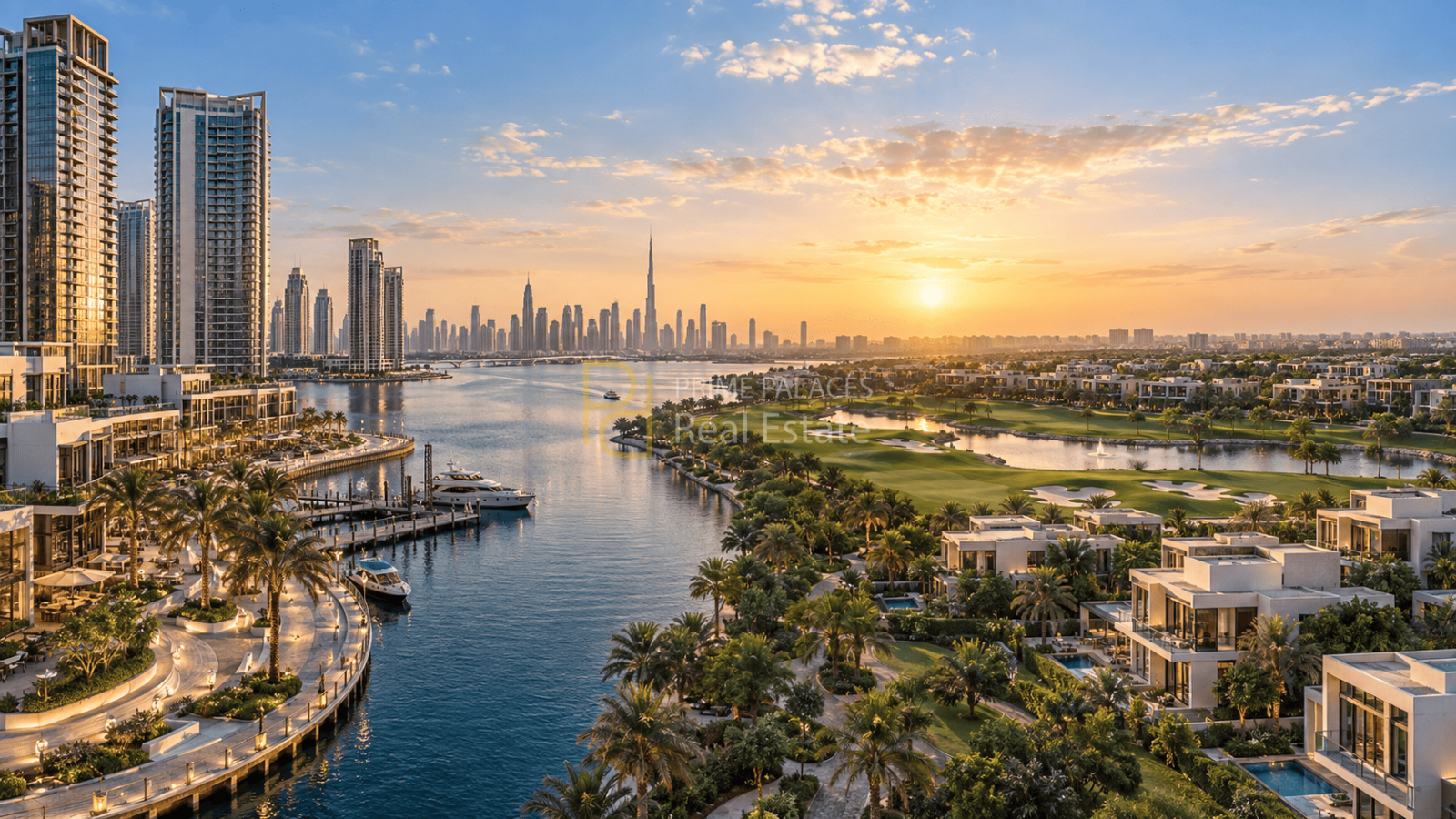
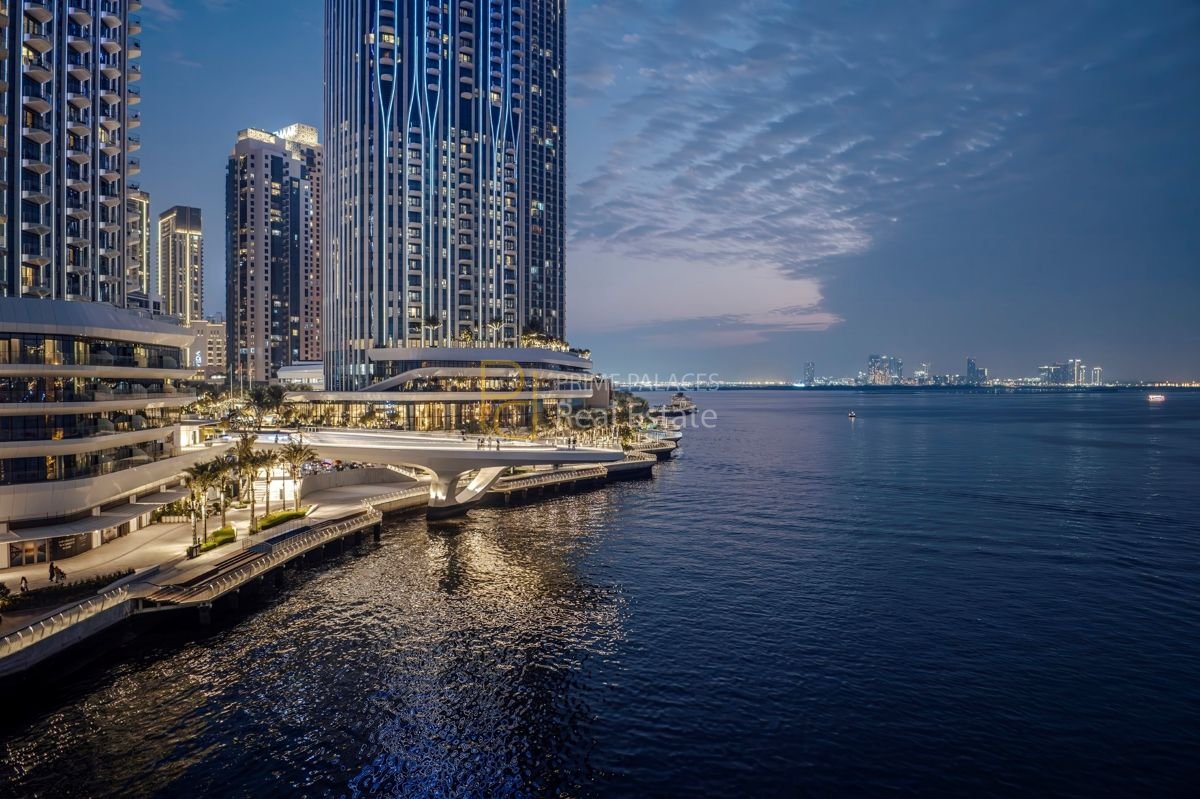
Katta hajmdagi jamoalar, masalan, Dubay Creek Harbour va Palm Jebel Ali faol rivojlanish bosqichlaridan o'tmoqda. Ayniqsa, Palm Jebel Ali o'rta muddatli o'sish hikoyasidir, hozirgi kunda 2026 yil emas, 2027 va undan keyin dastlabki topshirishlar ko'rsatilmoqda. Ushbu bosqichli yetkazib berish yaqin muddatli ta'minot zarbalarini kamaytiradi, shu bilan birga erta joylashgan investorlar uchun uzoq muddatli foyda yaratadi.
2026 yilda Dubay ko'chmas mulk kompaniyalarini shakllantiruvchi eng muhim tendentsiyalar
Sun'iy intellekt marketingdan marjalar tomon harakatlanmoqda.
Sun'iy intellekt endi faqat lead yaratish bilan cheklanmaydi. Yetakchi Dubay ko'chmas mulk kompaniyalari sun'iy intellektni prognozli bitimlarni topish, narx intizomi va operatsion samaradorlik uchun qo'llamoqda. Mashina o'rganish baholash modellari Dubay Yer Departamenti tranzaktsiyalarini benchmark qiladi, bu esa xaridorlarga ortiqcha to'lashdan qochishga yordam beradi va sotuvchilarga to'lovni to'g'ri belgilashga yordam beradi. WhatsApp avtomatlashtirish va ko'p tilli suhbat tizimlari lead yo'qotilishini kamaytiradi va so'rovdan ko'rishga o'tish jarayonini tezlashtiradi.
Blokcheyn amaliy bo'lmoqda, nazariy emas.
Dubay Yer Departamenti shartnomalarni soddalashtiruvchi, mulk yozuvlarini kommunal xizmatlar bilan bog'laydigan va tranzaksiya shaffofligini yaxshilaydigan blokcheyn asosidagi tizimlarni faol ravishda joriy etmoqda. Tartibga solinadigan ko'chmas mulk tokenizatsiya tashabbuslari, masalan, DLD’ning REES tizimi, vaqt o'tishi bilan kirish va likvidlikni kengaytirishi mumkin bo'lgan fractional ownership modellari uchun asos yaratmoqda.
Barqarorlik o'lchovli qiymat haydovchisiga aylanyapti.
Atrof-muhit ko'rsatkichlari narxlarda va ijara tezligida tobora ko'proq aks etmoqda. LEED kabi yashil sertifikatga ega binolar, energiya samarali sovutish tizimlari va aqlli suv monitoringi kuchli ijara talabini va past operatsion xarajatlarni ko'rsatmoqda. Yashashga qulay, jamoat joylari va yashil maydonlarga e'tibor beradigan master-rejalashtirilgan jamoalar xaridorlarning qaror qabul qilishida raqobat ustunligini oshirmoqda.
Mijozlar sayohatlari to'liq shaxsiylashtirilmoqda.
Eng yuqori darajadagi agentliklar to'liq raqamli tajribalarga o'tmoqda. Investorlar endi shaxsiy boshqaruv panellari, huquqiy va texnik hujjatlarni o'z ichiga olgan xavfsiz ma'lumot xonalari va raqamli KYC, xavfsiz to'lovlar va notariuslik bilan qo'llab-quvvatlanadigan masofaviy xarid jarayonlarini kutmoqdalar. Bu, ayniqsa, masofadan tranzaksiyalarni boshqarayotgan xorijiy xaridorlar uchun muhimdir.
Global kapital diversifikatsiyalashda davom etmoqda.
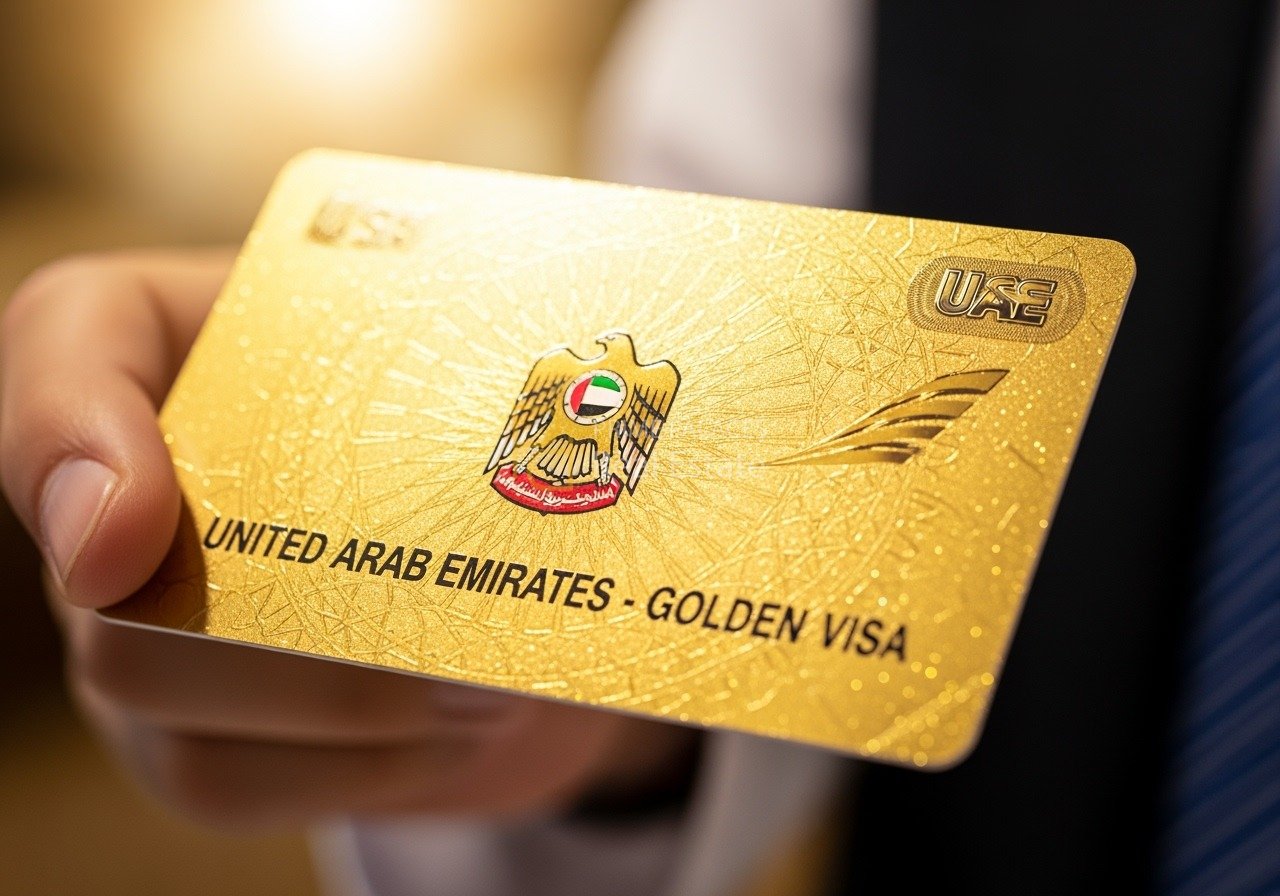
Dubay xaridorlar bazasi GCC, Evropa va Osiyo bo'ylab kengaymoqda. AED’ning USD bilan bog'liqligi orqali barqaror valyuta sharoitlari, shuningdek, AED 2 millionlik mulk xaridlari uchun 10 yillik Oltin Visa kabi yashash yo'llari uzoq muddatli xalqaro kapitalni jalb qilishda davom etmoqda.
Qisqa muddatli ijara to'liq professionalizatsiyalashmoqda.
Dam olish uy-joylari daromadlar manzarasining muhim qismidir, ammo tartibga solish endi markaziy ahamiyatga ega. Mulklar Dubay Iqtisodiyoti va Turizm tomonidan ro'yxatdan o'tishi va ruxsat berilishi kerak. To'g'ri binolarda yaxshi boshqariladigan, muvofiq birliklar an'anaviy yillik ijara shartnomalaridan yuqori natijalar ko'rsatishi mumkin, muvofiqlikning yo'qligi esa material xavf tug'diradi.
Moliyalashtirish shartlari investorlar uchun qulaylashmoqda.
Tartibga solish yangilanishlari ipoteka moliyalashtirishga kirishni yaxshiladi. Hozirgi tizimlar xorijiy birinchi marta xaridorlar uchun 80% LTV va BAA fuqarolari uchun 85% gacha bo'lgan mulklar uchun 5 million AED gacha, kredit beruvchining mezonlariga muvofiq. Potensial stavka pasayishlari yanada qulaylik va daromadlarni oshirishga yordam berishi mumkin.
Investorlar 2026 yilda qayerga e'tibor qaratmoqda
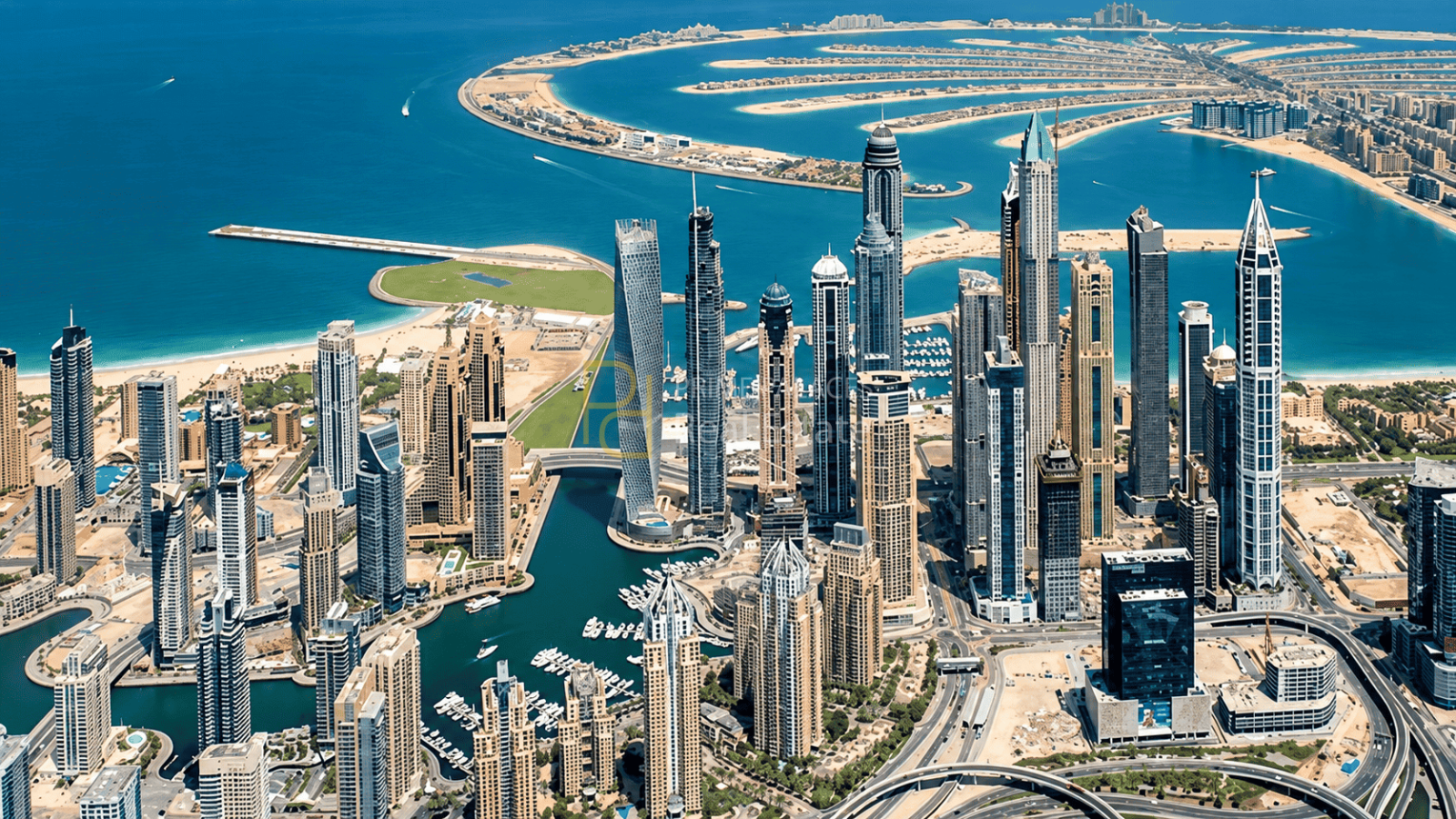
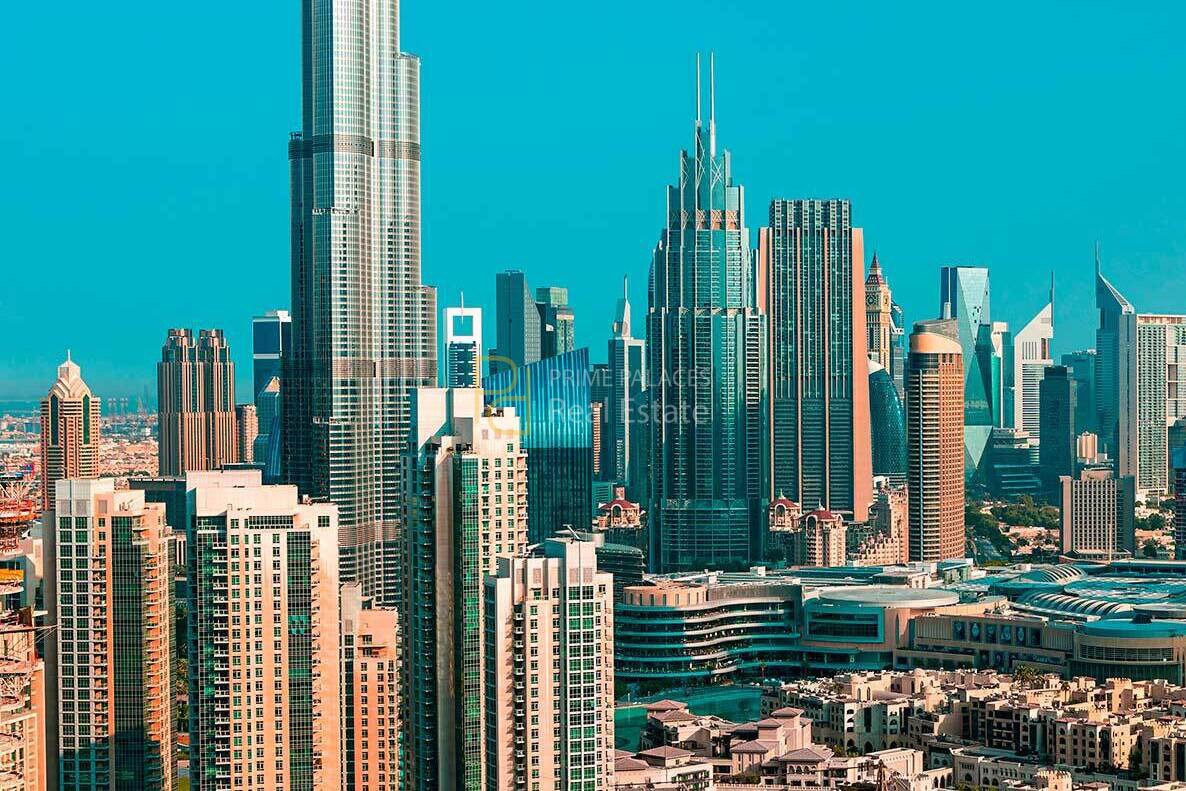
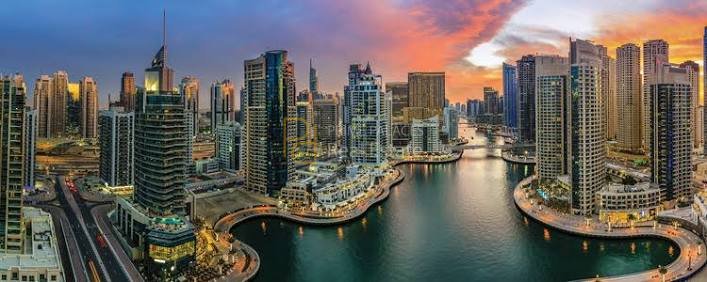
Kapital suvli asosiy tumanlarga to'planishda davom etmoqda, masalan, Downtown Dubay, Business Bay va Dubay Marina, bu yerda ijara chuqurligi va qayta sotish faoliyati kuchli qolmoqda. Shu bilan birga, yangi zonalar, masalan, Dubay Janubi, Muhammad Bin Rashid Shahri va Jumeirah Village Circle, erta kirish nuqtalari va ko'p yillik o'sish katalizatorlarini qidirayotgan investorlarni jalb qilmoqda.
Shahar bo'ylab, kvartiralar odatda villalardan yuqori ijara daromadlari ko'rsatmoqda, chunki kirish narxlari past va zich, yaxshi bog'langan hududlarda ijara harakati kuchliroq.
Bu investorlar uchun nima anglatadi
2026 yilga kelib, Dubay ko'chmas mulk kompaniyalari ma'lumotlarga asoslangan maslahat platformalariga o'xshash bo'ladi, an'anaviy brokerliklardan farqli o'laroq. Tranzaksiyalar tezlashmoqda, narxlar intizomliroq va strategiyalar shaxsiylashtirilmoqda. Investorlar uchun bu imkoniyat yaratadi — lekin faqat bozorga tuzilgan tahlil, tartibga solish tushunchasi va uzoq muddatli nuqtai nazar bilan yondashganlar uchun.