



DIFC Zabeel District (DIFC 2.0) Launch: Why the $27B Expansion Matters for Investors
Built-In Demand: A Strong Foundation for Investors
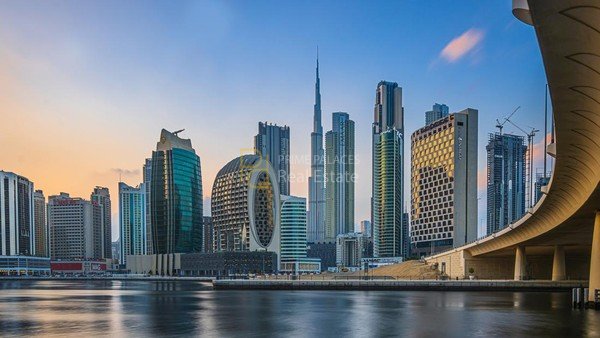
For many international investors, Dubai’s real estate market can feel distant and complex. But developments such as the DIFC Zabeel District are reshaping the investment narrative by being demand-led rather than speculative. As companies from finance, technology, and related sectors commit to establishing or expanding offices in DIFC, the need for housing, workplaces, and supporting services continues to grow — creating built-in demand that benefits both residential and commercial markets.
The district is expected to support up to 125,000 professionals, which in turn drives rental and occupancy demand for nearby properties. This makes centrally located apartments especially appealing to investors seeking strong rental yields and long-term occupancy.
Strategic Location and Connectivity
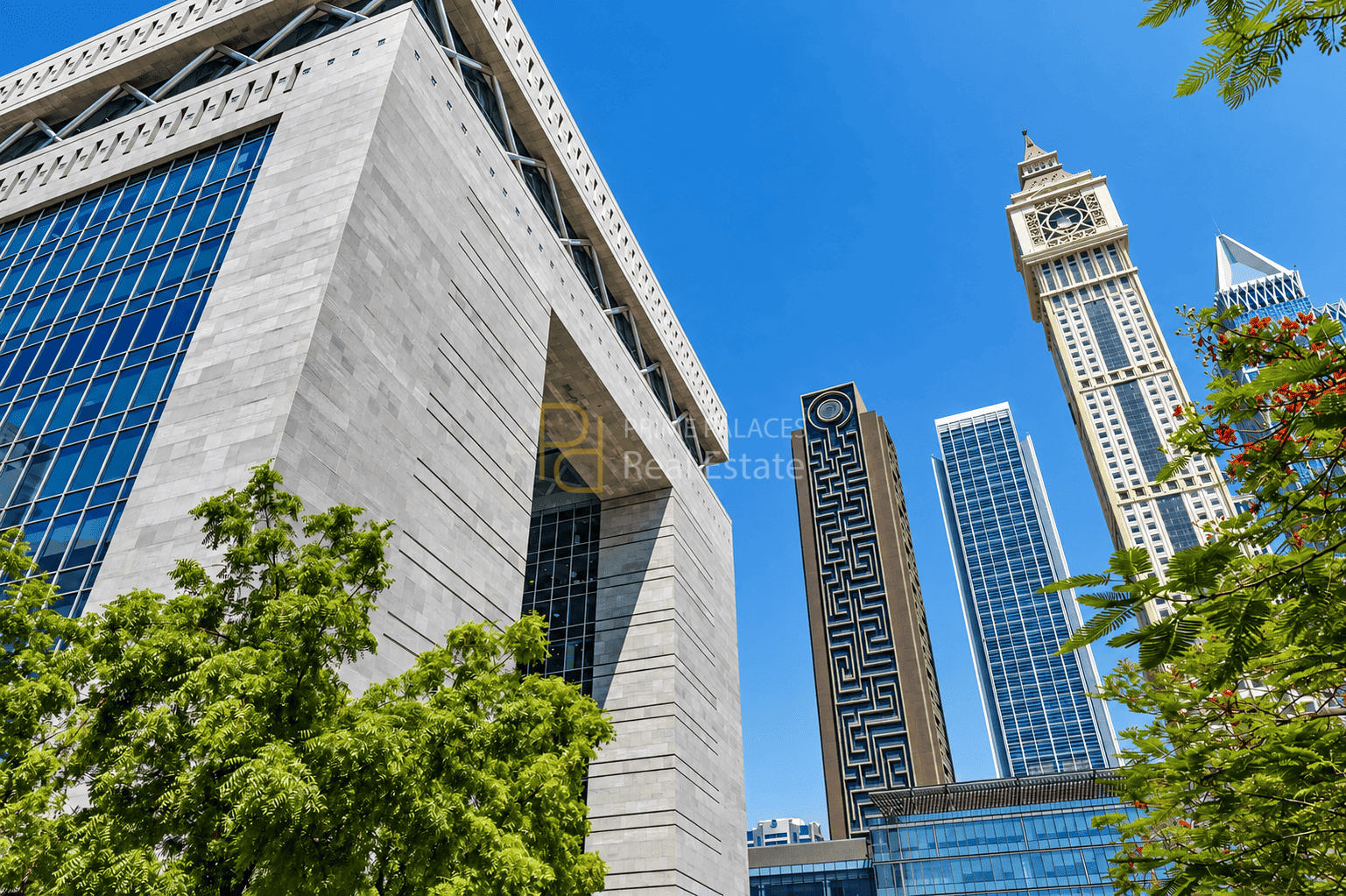
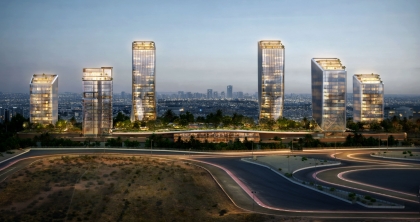
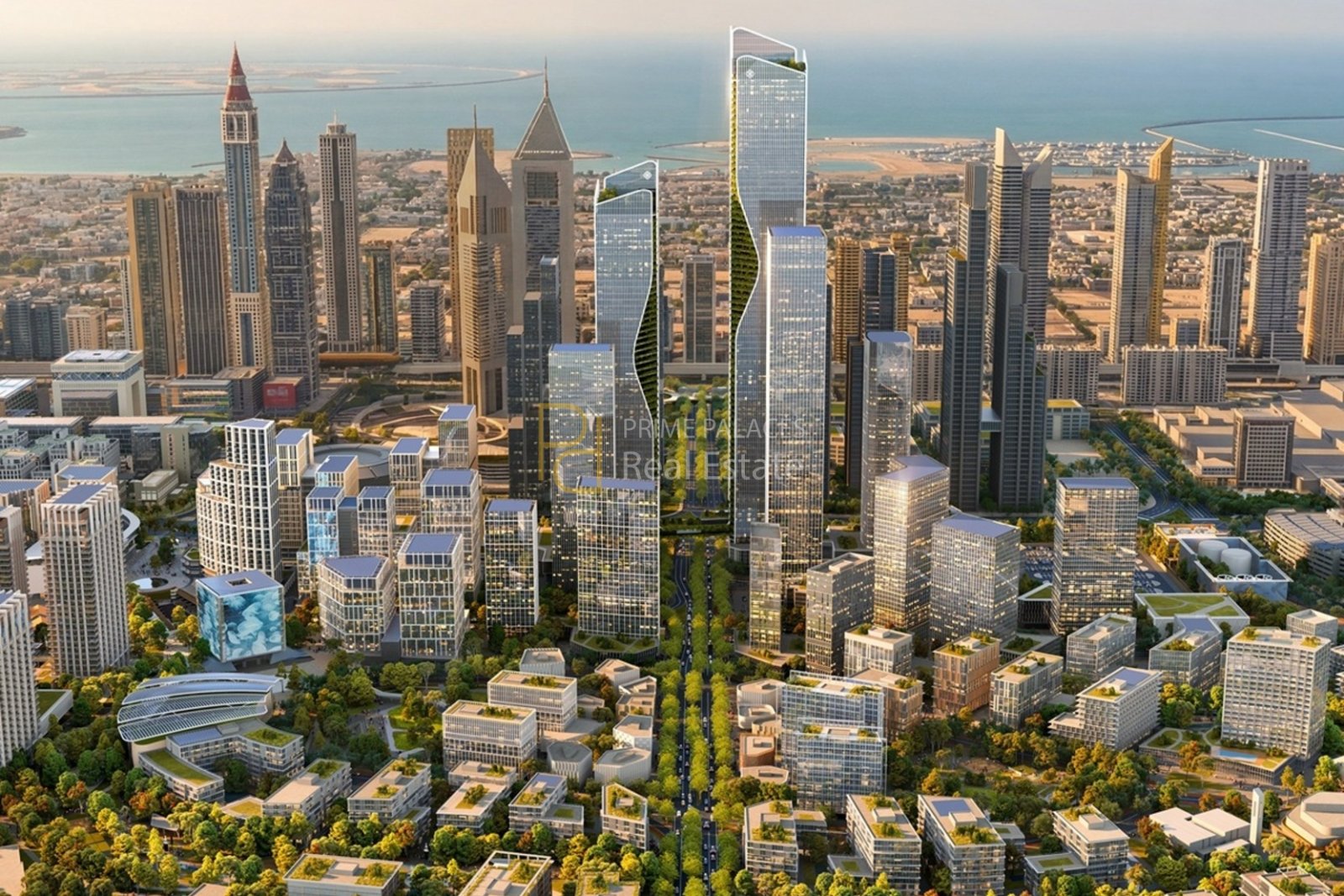
What sets the Zabeel District apart is not just its scale but its location and connectivity. Situated adjacent to the existing DIFC Gate District, the expansion includes plans for enhanced pedestrian links — including a signature bridge — that improve accessibility and make walking between zones easier and more direct.
This connectivity enhances lifestyle appeal by reducing commute times and improving access to workplaces, retail, dining, and transport options. Areas close to employment hubs typically enjoy higher tenant retention and stronger rental performance, a key consideration for long-term property investors.
What DIFC Zabeel District Includes
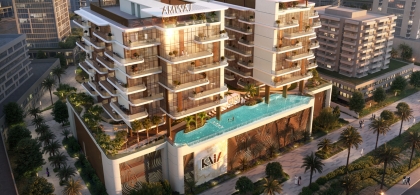
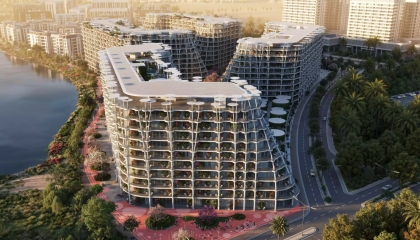
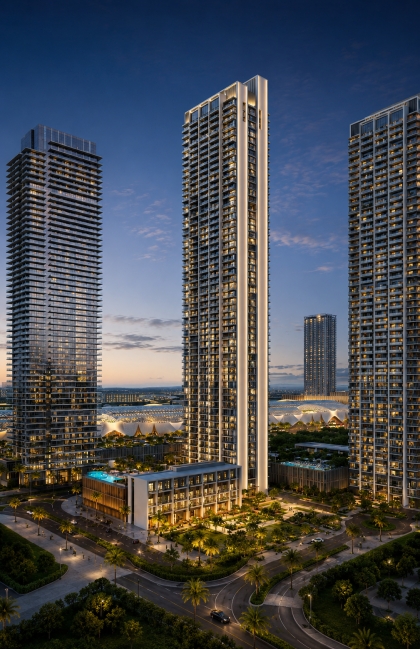
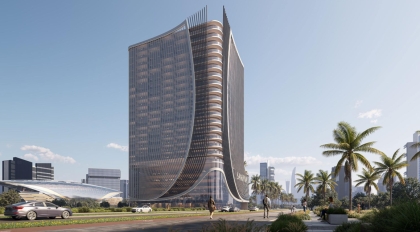
The Zabeel District master plan goes beyond traditional office space and incorporates a mix of uses, including:
-
Commercial offices and corporate space to support global business growth
-
Residential buildings serving employees and professionals
-
Retail, hospitality, and public spaces enhancing everyday lifestyle
-
Innovation-focused zones dedicated to sectors like AI, fintech, and future technologies
This integration of work, living, and innovation makes the district not just a business hub, but a holistic urban ecosystem — a model that aligns with modern demand for multifunctional city centres.
Investment Implications for Existing Neighbourhoods
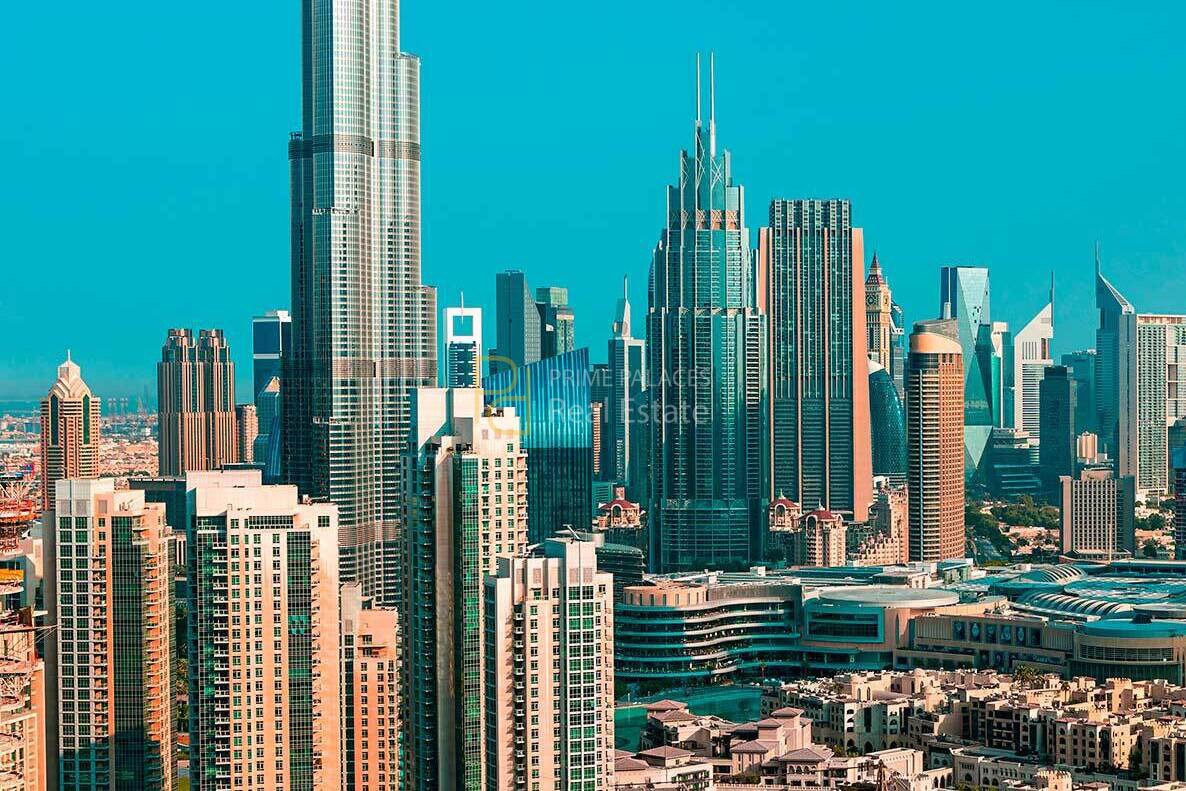
As the Zabeel District is completed in phases, central land scarcity is likely to increase. Historically in Dubai, limited supply in prime locations correlates with capital appreciation — especially for properties already located near major hubs like Business Bay, Downtown Dubai, Satwa, and Zabeel itself.
Additionally, resilient rental demand is expected even as new supply enters the market. The influx of professionals working in and around DIFC supports sustained high occupancy levels, reducing vacancy risk for investors.
What the Expansion Means for the Future
The launch of the DIFC Zabeel District marks an evolution rather than a departure from Dubai’s established real estate and business trajectory. By expanding one of the city’s most successful financial ecosystems, Dubai reinforces its role as a global business and investment destination.
For investors — whether newcomers to the Dubai market or seasoned property holders — the project offers a long-term growth narrative backed by structural demand, strategic planning, and diversified use cases.
As work progresses through phased completion towards 2040, early engagement in this evolving district may provide enhanced positioning for both capital growth and rental performance.