




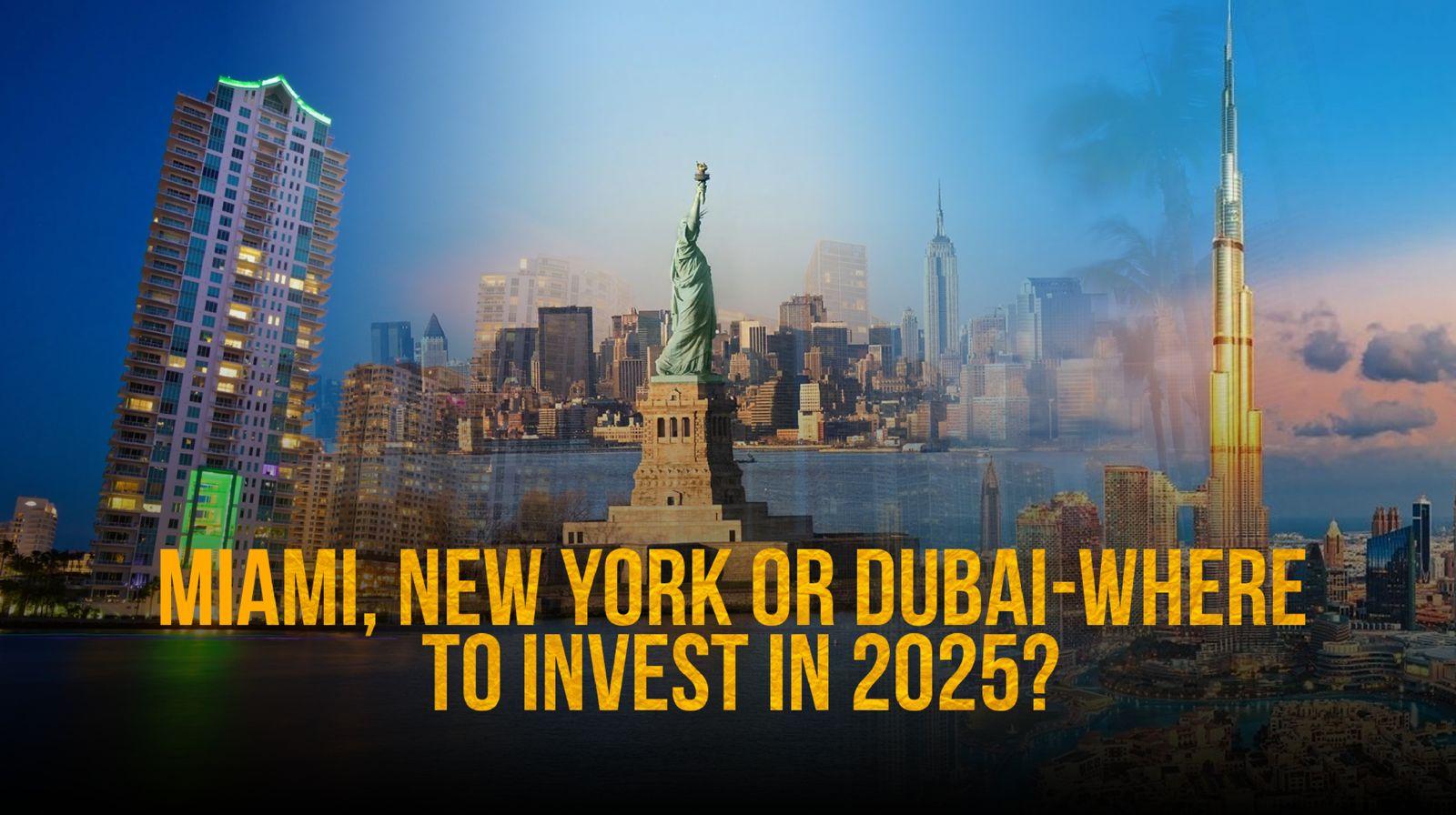
Strategic Advantages: Which City Fits Which Type of Investor — Dubai, Miami, or New York
Strategic Advantages
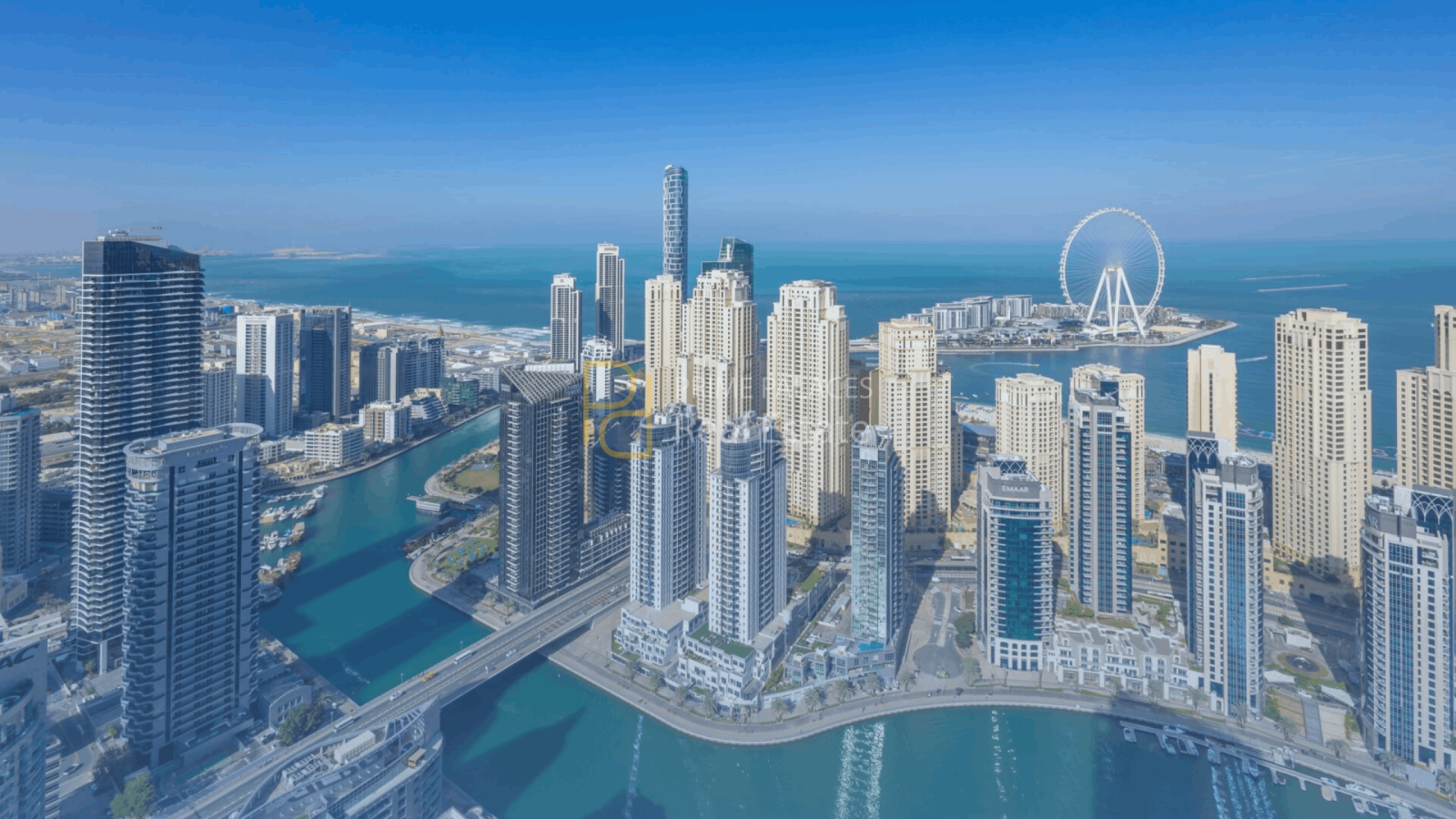
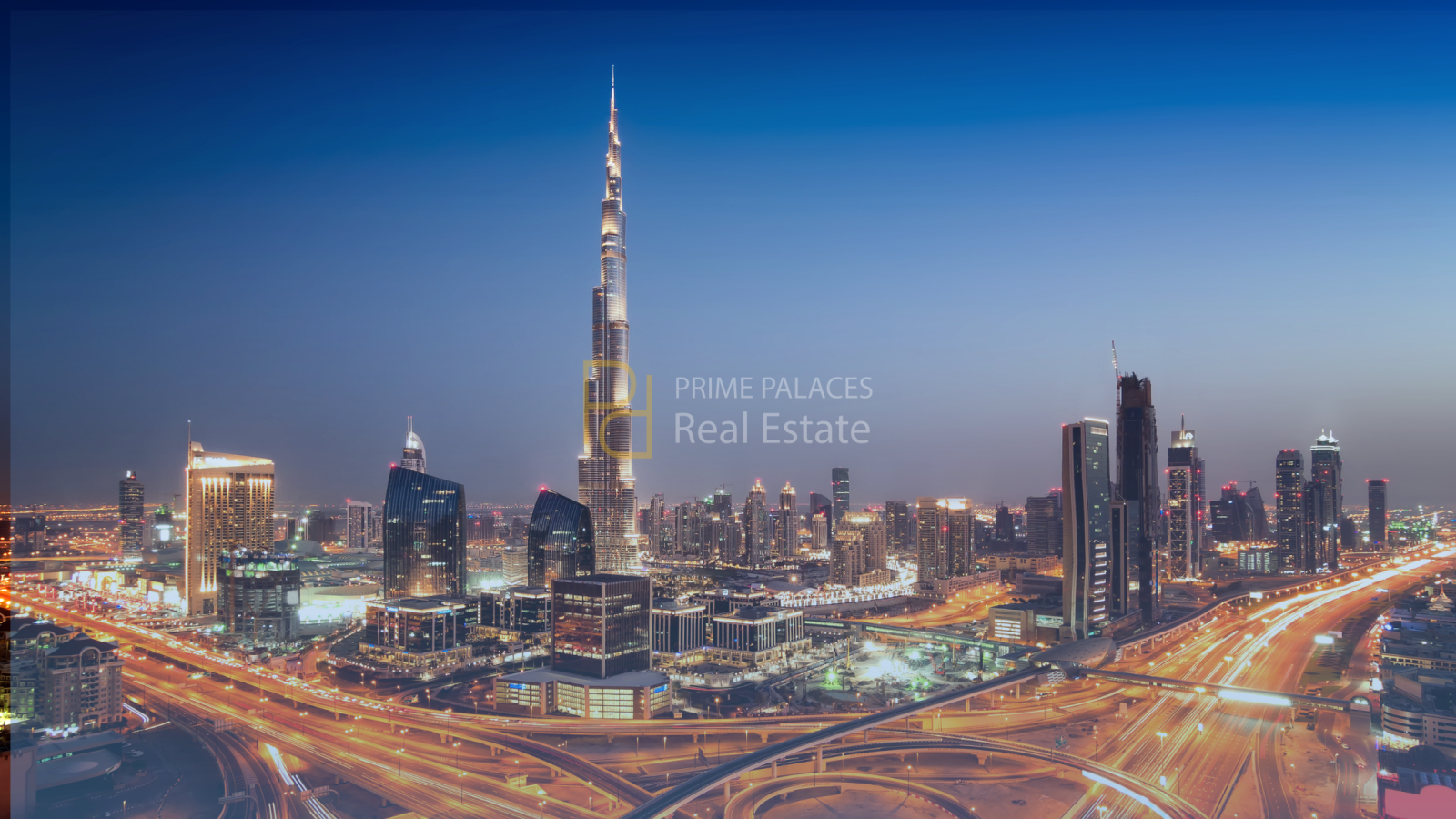
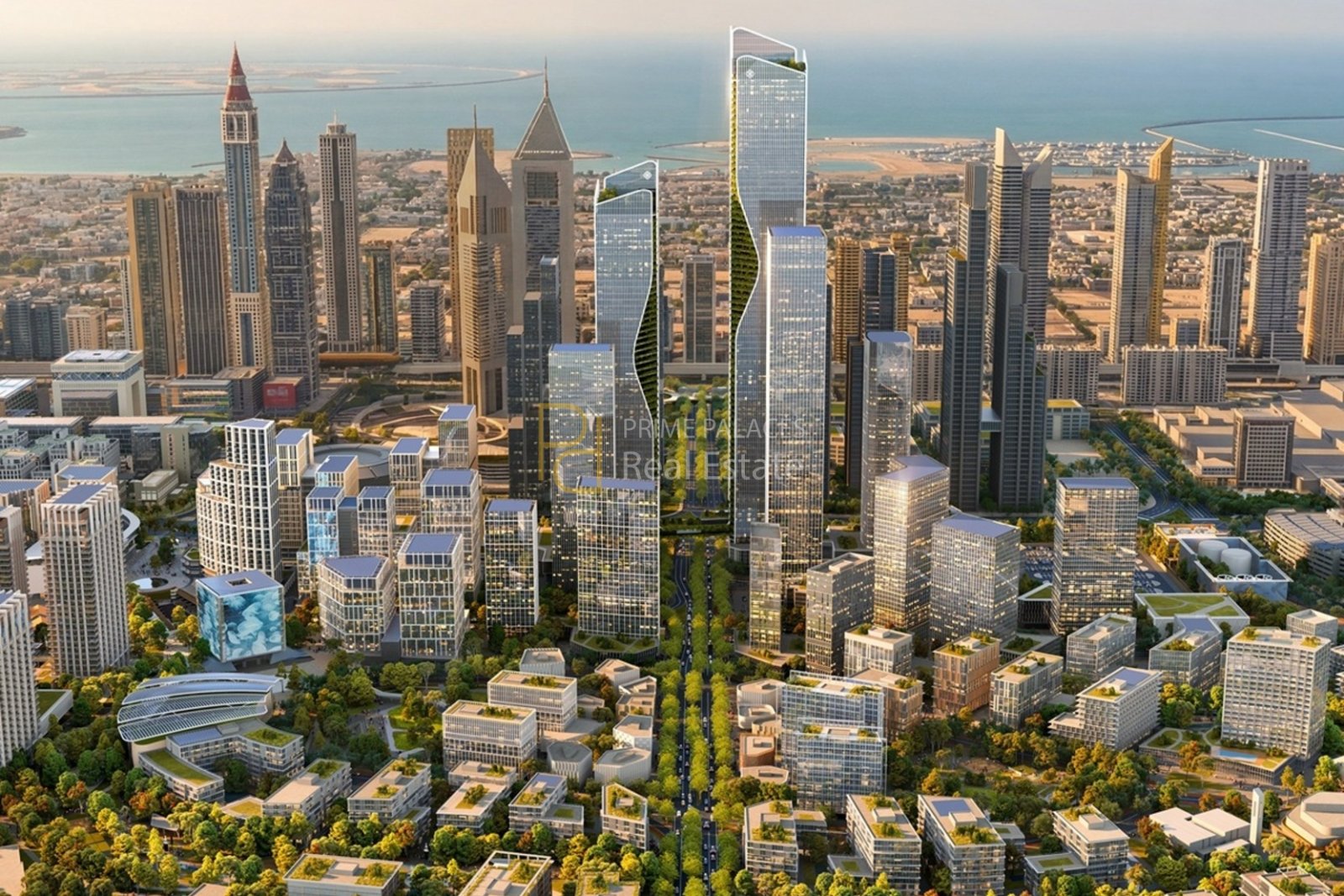
Dubai – Advantages
- High rental yields compared to other global “tier-1 style” cities (6%–8% gross is normal, and 7%–10% in some 1BR segments).
- Light tax and cost structure on rental income.
- Easy foreign ownership with payment plans and low bureaucratic friction.
- Residency / Golden Visa opportunities for qualifying property investment.
- AED pegged to USD, giving dollar stability.
- Positioning of Dubai as a luxury / wealth / tax haven hub keeps global demand flowing.
Miami – Advantages
- Real cash flow in USD inside the U.S. legal system.
- Strong medium-term appreciation story driven by in-migration of high earners, limited coastal land, and global branding of Miami as a lifestyle capital.
- Landlord-friendly relative to northern U.S. states. No state income tax in Florida.
- Deep buyer pool: Americans, LatAm, Europe, Middle East. This supports exit liquidity.
- Lifestyle utility: You can actually live in it seasonally and still treat it as an investment.
New York – Advantages
- Global prestige. Manhattan is still “the address.”
- Deep, diversified tenant base: finance, tech, media, diplomatic, academic. Vacancy remains extremely low and rents are extremely high.
- Dollar-denominated, legally protected store of value recognized worldwide.
- Over long horizons, Manhattan assets tend to hold nominal value because global wealth keeps coming back, even after downturns.
Key Disadvantages
Dubai – Disadvantages
- Tenant churn is high; Dubai is a transient city with constant movement. Property management is active, not passive.
- If the macro story of “Dubai = tax-efficient luxury magnet” ever weakens, demand could cool quickly because so much demand is lifestyle/status-driven.
Miami – Disadvantages
- Insurance and HOA cost pressure keeps rising, especially in older waterfront buildings after Florida’s post-collapse structural reforms.
- Property tax + federal income tax on rent means it is not net-tax-free yield.
- Short-term rental rules can kill the business model if you underwrite nightly Airbnb income and then discover the building bans it.
- Climate risk (hurricanes, flooding) is not abstract; it’s literally embedded in insurance pricing.
New York – Disadvantages
- Very low net yield for landlords (2%–3% is normal).
- High recurring costs: taxes, common charges, maintenance, legal compliance.
- Bureaucratic friction: co-op boards can reject you, rental restrictions can slow leasing, and political pressure is openly pro-tenant.
- Luxury segment softness shows that even Manhattan can go down in price at the top end.
Which Type of Investor Should Choose Which City?
If your #1 goal is maximum cash flow right now
Dubai leads the global stage.
Dubai typically delivers higher gross rental yields — averaging 6–8%, and in certain apartment segments even reaching 9–10% — thanks to its zero-tax structure and absence of recurring annual property tax. Miami, by comparison, produces around 6–9% gross and 4–6% net once insurance, HOA fees, and property taxes are accounted for. New York’s 2–3% net yield places it in a different, lower-income bracket.
If your #1 goal is lifestyle + cash flow + international footprint
Both Dubai and Miami offer exceptional living standards, but Dubai now matches — and in many aspects surpasses — Miami.
The city offers year-round sunshine, Michelin-star restaurants, world-class marinas, clean infrastructure, outstanding healthcare, and one of the world’s safest urban environments. Combined with high yields and straightforward foreign ownership, Dubai provides a truly global lifestyle platform that blends leisure with profitability.
Miami remains attractive for those preferring the U.S. legal system and a Latin-American cultural mix, but day-to-day quality of life, infrastructure, and global accessibility now give Dubai an edge.
If your #1 goal is long-term prestige and capital preservation
New York remains a classic blue-chip market: a global financial capital where property acts as a dollar-denominated store of value. Returns are modest but reputation and legal protection are unmatched.
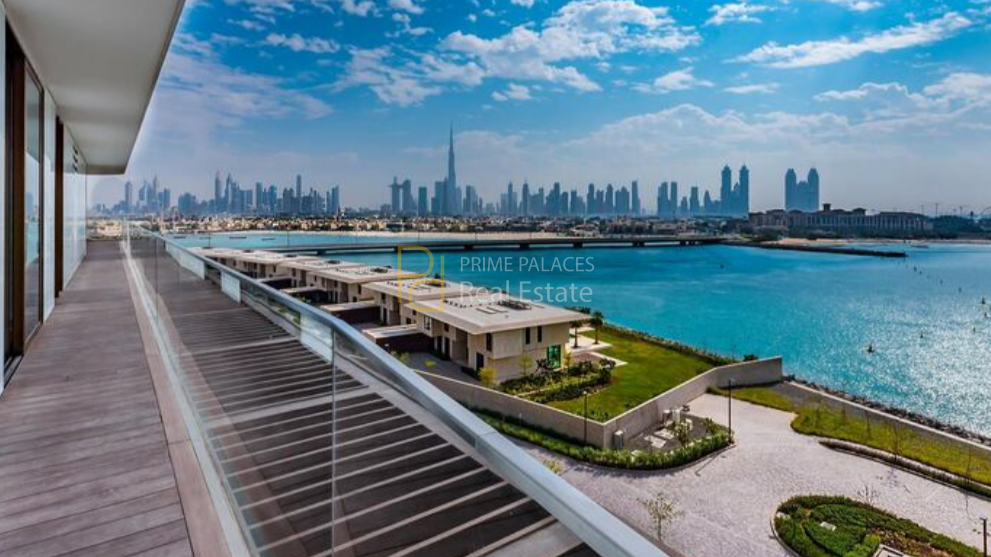
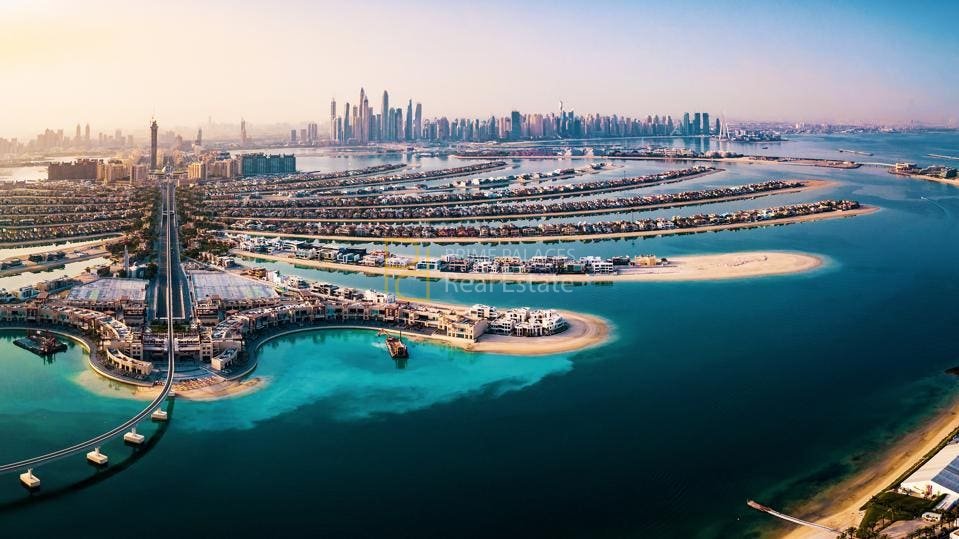
However, Dubai’s luxury sector — Palm Jumeirah, Jumeirah Bay, Downtown branded residences — has entered the same tier. For many ultra-high-net-worth investors, Dubai has already become a prestige asset class in its own right, combining security, luxury, and capital strength.
If your #1 goal is fast entry, minimal bureaucracy, residency benefits, and tax efficiency
Dubai stands unmatched.
Foreign investors can purchase freehold property with complete ownership, take advantage of extended developer payment plans, and obtain long-term UAE residency through qualifying investments. With no income or capital-gains tax and a stable, dollar-pegged currency, Dubai remains one of the most accessible and transparent global property markets.
If your #1 goal is balanced long-term appreciation with diversified exit demand
Miami performs steadily due to demographic inflows and limited waterfront supply, offering predictable long-term compounding.
Yet Dubai’s recent performance — strong appreciation across both luxury and mid-market segments, coupled with its increasingly international buyer base from Europe, Asia, and the Gulf — signals that its growth is no longer speculative but structural.
If your main priority is owning a global trophy asset
New York offers historical prestige; Miami delivers the American coastal dream.
But Dubai defines modern global wealth — a futuristic skyline, unparalleled safety, tax efficiency, global connectivity, and an investor-friendly environment unmatched by any other major city today.
In 2025, for investors seeking yield, lifestyle, efficiency, and long-term security in one market — Dubai stands as the most complete choice.