



Latviya Yevropaning eng arzon rezidentlik investitsiya bozorlaridan biri sifatida qayta paydo bo'lmoqda
Latviyaning investitsiya orqali rezidentlik bozori 2025 yil oxirida xalqaro e'tiborni qayta qozondi, chunki Janubiy Yevropada kirish talablarining oshishi va qoidalarining kuchayishi investorlarni boshqa Yevropa rezidentlik manzillarini ko'rib chiqishga undadi. Gretsiya va Portugaliya kabi mamlakatlardagi dasturlar tobora cheklovchi yoki qimmat bo'lib borayotganida, Latviya Yevropa Ittifoqidagi eng qulay rezidentlikga bog'liq investitsiya bozorlaridan biri sifatida qayta paydo bo'ldi.
Qayta qiziqish asosan arzonlik va nisbatan moslashuvchan investitsiya tuzilmalari bilan bog'liq edi. Bir qator Yevropa rezidentlik dasturlari sezilarli darajada yuqori kapital talablariga o'tgan bo'lsa-da, Latviya ko'chmas mulk, biznes investitsiyalari va moliyaviy hissalar bilan bog'liq arzon kirish yo'llarini taklif qilishda davom etdi. Bu mamlakatni Yevropa harakati, Shengen kirish va evro asosidagi aktivlarga kirishga e'tibor qaratgan investorlar uchun jozibador variant sifatida qayta joylashtirdi.
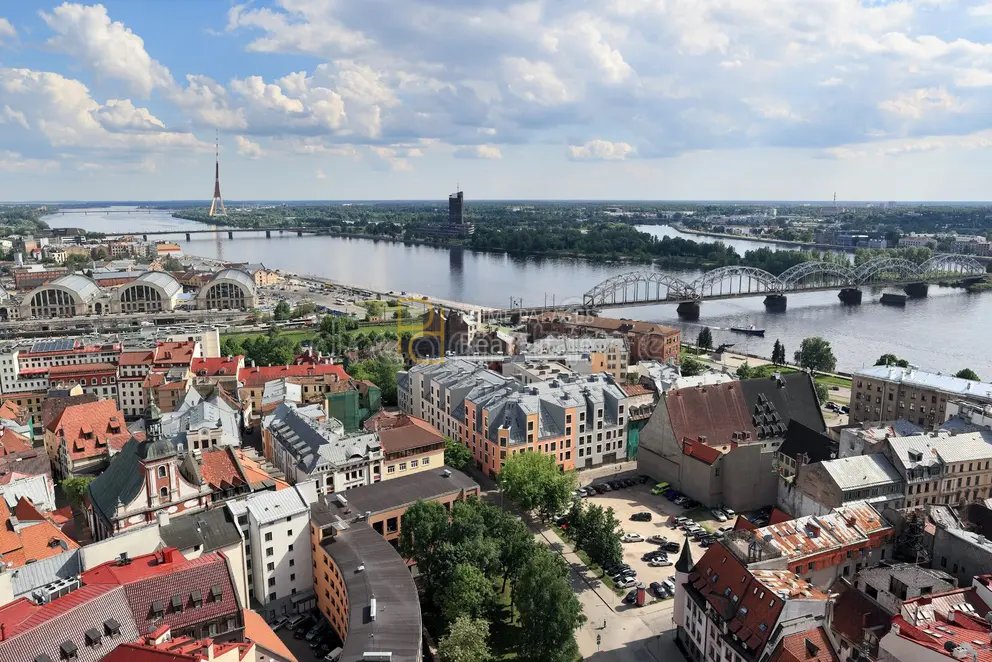
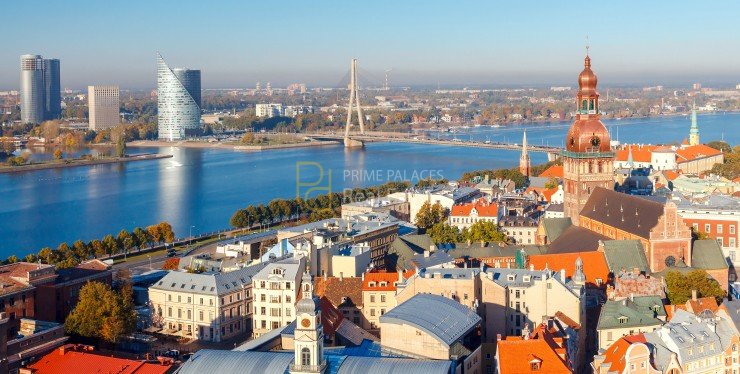
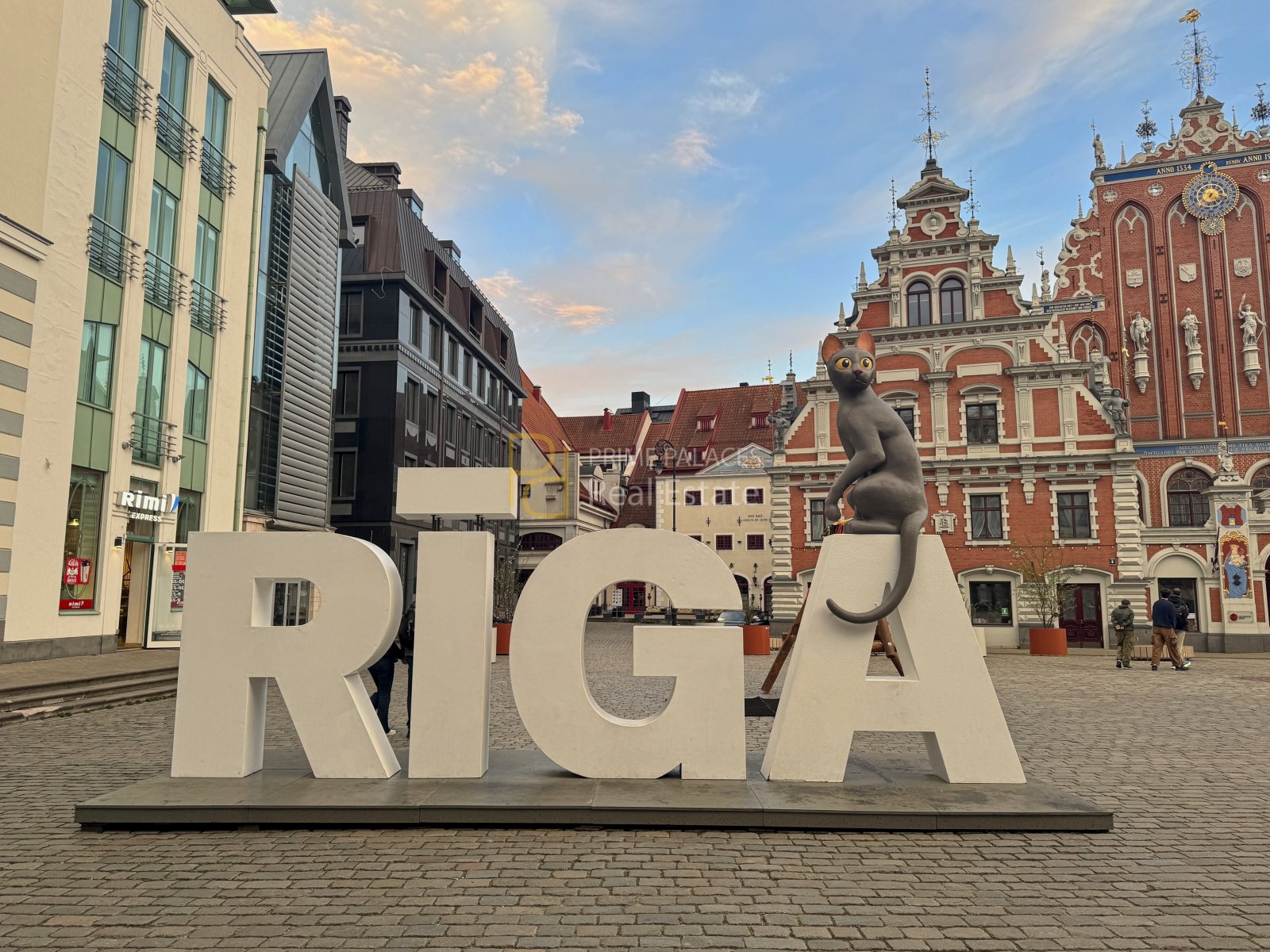
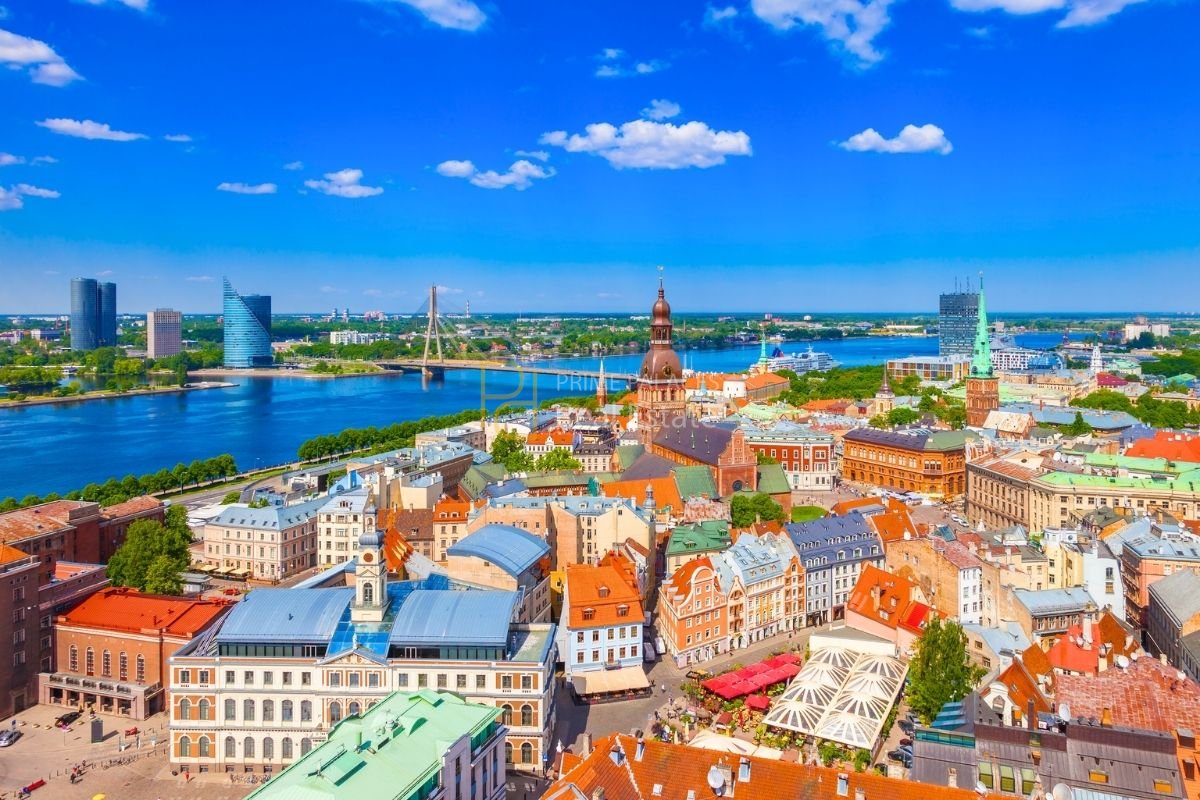
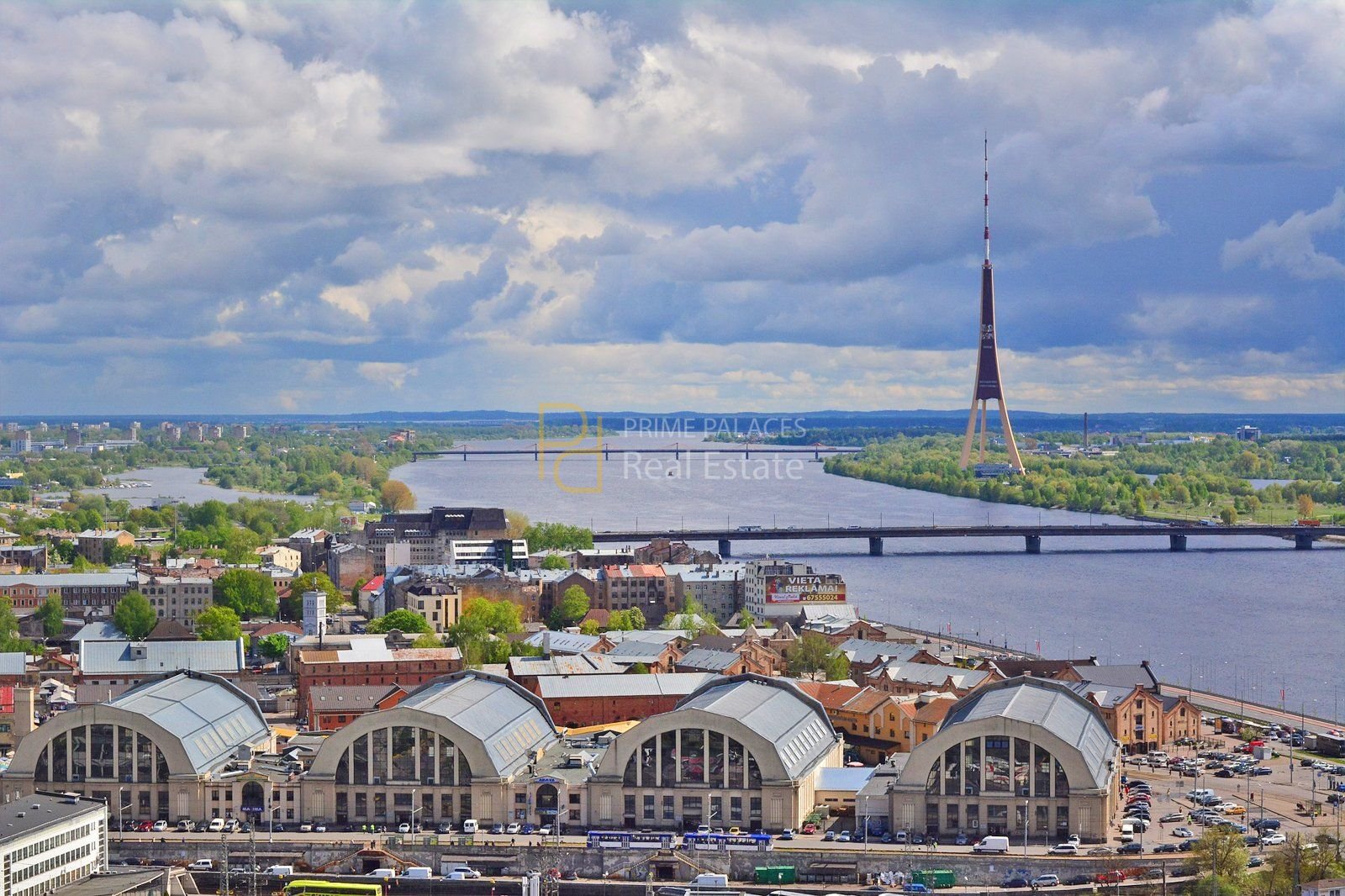
Riga ko'p G'arbiy va Janubiy Yevropa poytaxtlariga nisbatan nisbatan arzon ko'chmas mulk narxlari tufayli alohida qiziqish markaziga aylandi. Xalqaro investorlar Latviya bozorini Yevropa ko'chmas mulk sektoriga kirish uchun sezilarli darajada past kapital talablariga ega imkoniyat sifatida ko'rishdi, shu bilan birga tartibga solinadigan Yevropa Ittifoqi yurisdiktsiyasiga kirish imkoniyatini saqlab qoldilar. Bozor global miqyosda harakatlanuvchi investorlar tomonidan diversifikatsiya, Yevropa rezidentligi moslashuvchanligi va barqaror evrozonali iqtisodiyotga kirish izlayotganlar tomonidan tobora ko'proq e'tibor qozondi.
O'zgarish Gretsiya katta Qizil Visa islohotlarini amalga oshirgandan so'ng yanada ko'zga tashlanadigan bo'ldi, bu esa Atena va asosiy orollardagi investitsiya talablarini sezilarli darajada oshirdi. Katta Yevropa dasturlari yanada tanlovchi bo'lib borayotganida, Latviya moliyaviy to'siqlari pastroq bo'lgan alternativ rezidentlik yo'llarini izlayotgan investorlar uchun bilvosita foyda keltira boshladi.
Bir vaqtning o'zida, Latviyaning investitsiya migratsiyasi muhiti qat'iy muvofiqlik va tekshirish standartlariga tomon rivojlanishda davom etdi. Yevropadagi hokimiyatlar anti-pul yuvish nazoratlariga, mablag' manbalarini tasdiqlashga va rezidentlikka bog'liq investitsiya tuzilmalarini yanada kuchaytirilgan nazoratga qaratilgan e'tiborni oshirishdi. Latviya ham bundan mustasno emas edi, investorlar hujjatlar, tranzaksiya shaffofligi va investitsiya qonuniyligi bo'yicha yanada qattiq nazoratga duch kelishdi.
O'sib borayotgan muvofiqlik talablariga qaramay, Latviya nisbatan past kirish xarajatlari, Yevropa Ittifoqiga a'zo bo'lish, Shengen kirish va nisbatan arzon ko'chmas mulk bozor sharoitlari tufayli raqobatbardosh pozitsiyasini saqlab qoldi. Mamlakatning investitsiya muhiti rezidentlik moslashuvchanligi, boylik diversifikatsiyasi va uzoq muddatli Yevropa pozitsiyasini afzal ko'rgan xaridorlarga tobora ko'proq qiziqish uyg'otdi, faqatgina spekulyativ ko'chmas mulk investitsiyasi emas.
Qayta qiziqish Latviyaga ham investitsiya orqali rezidentlik sanoatidagi kengroq o'zgarishni aks ettirdi. Katta va ko'proq rivojlangan dasturlar tobora cheklovchi bo'lib borayotganida, kirish to'siqlari pastroq bo'lgan kichik bozorlar xalqaro e'tiborni ko'proq jalb qila boshladi. Latviyaning qayta paydo bo'lishi bir Yevropa rezidentlik bozoridagi o'zgarishlar qanday qilib investorlarning e'tiborini boshqa yurisdiktsiyalarga yo'naltirishi mumkinligini ko'rsatdi.