



Overview of Latvia Real Estate Market
The Latvia real estate market offers a distinct proposition compared to more saturated European destinations. It combines relatively low entry prices with a transparent legal framework and growing international interest. For investors looking to diversify geographically while maintaining exposure to the European Union, buying property in Latvia presents a practical and strategically balanced opportunity.
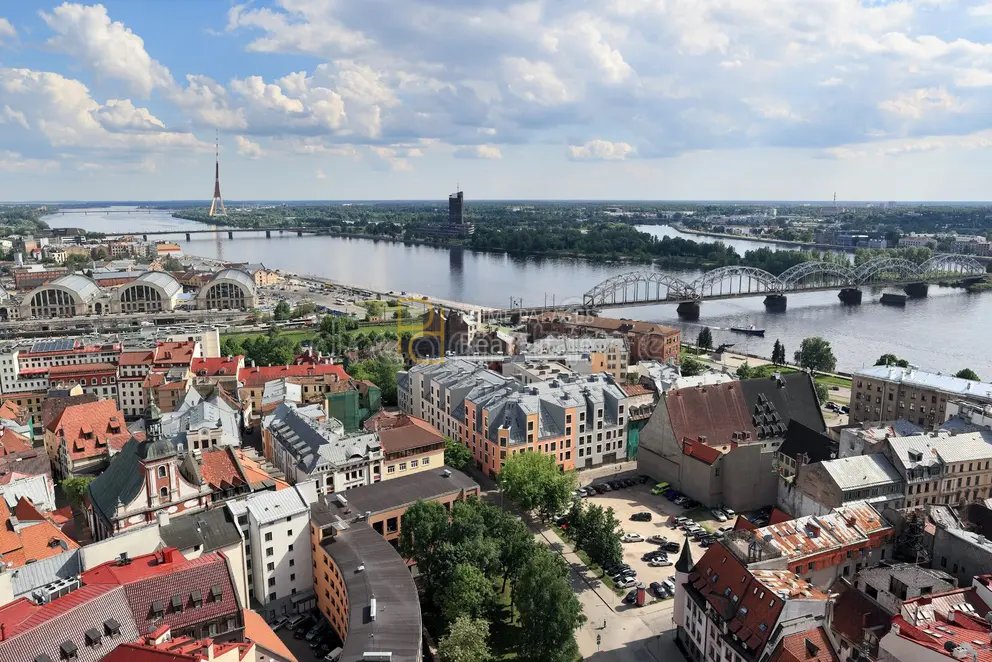
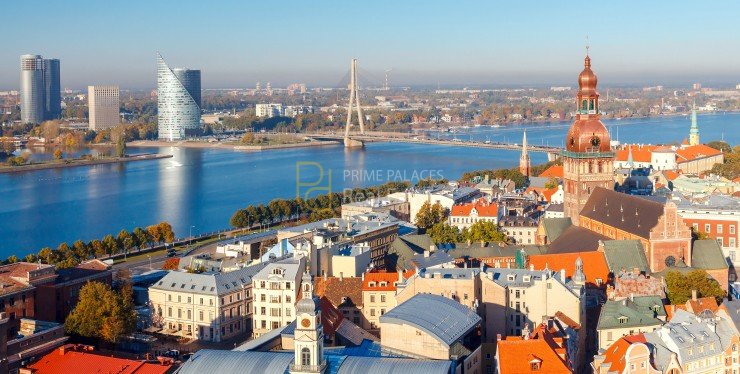
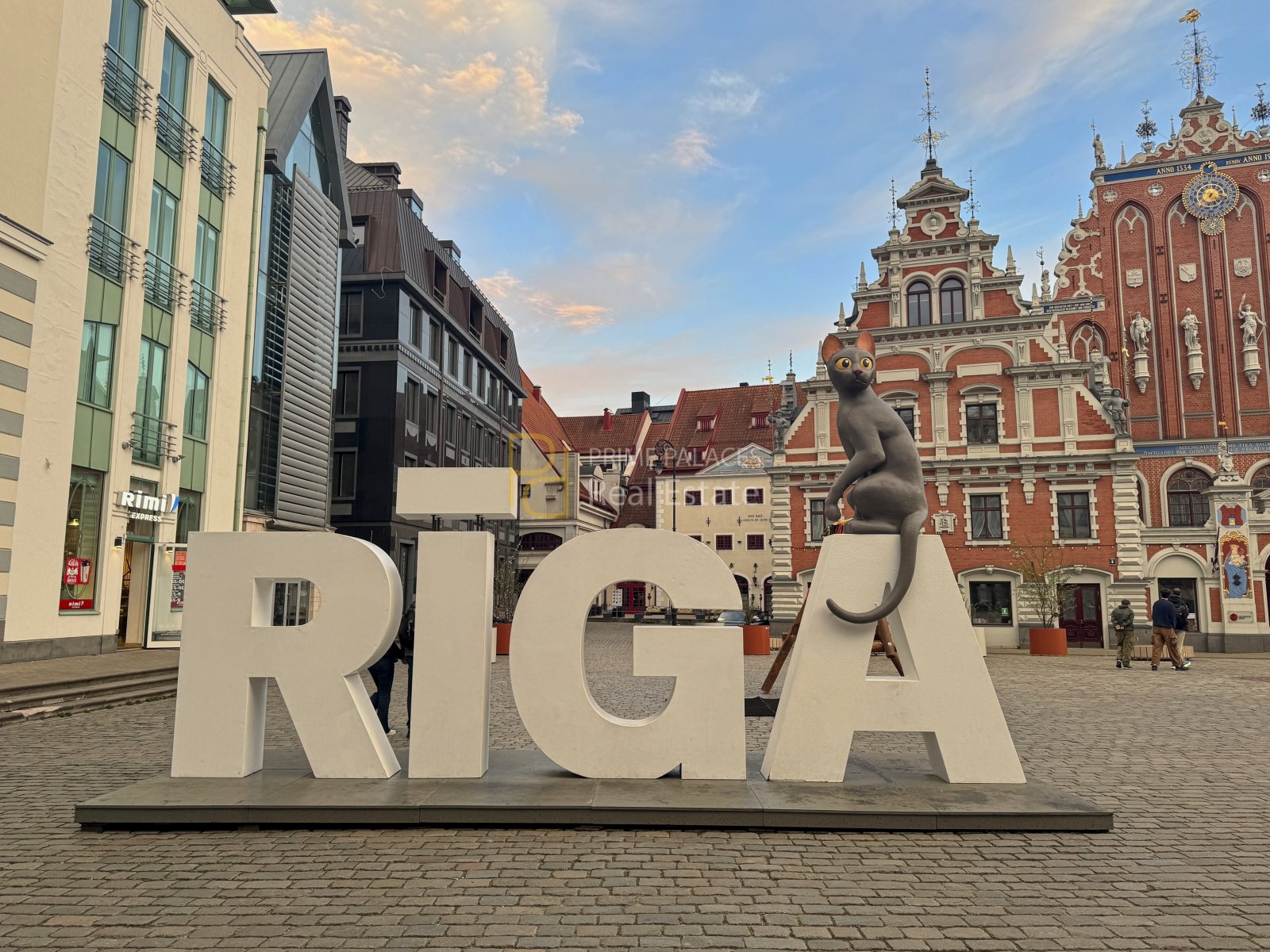
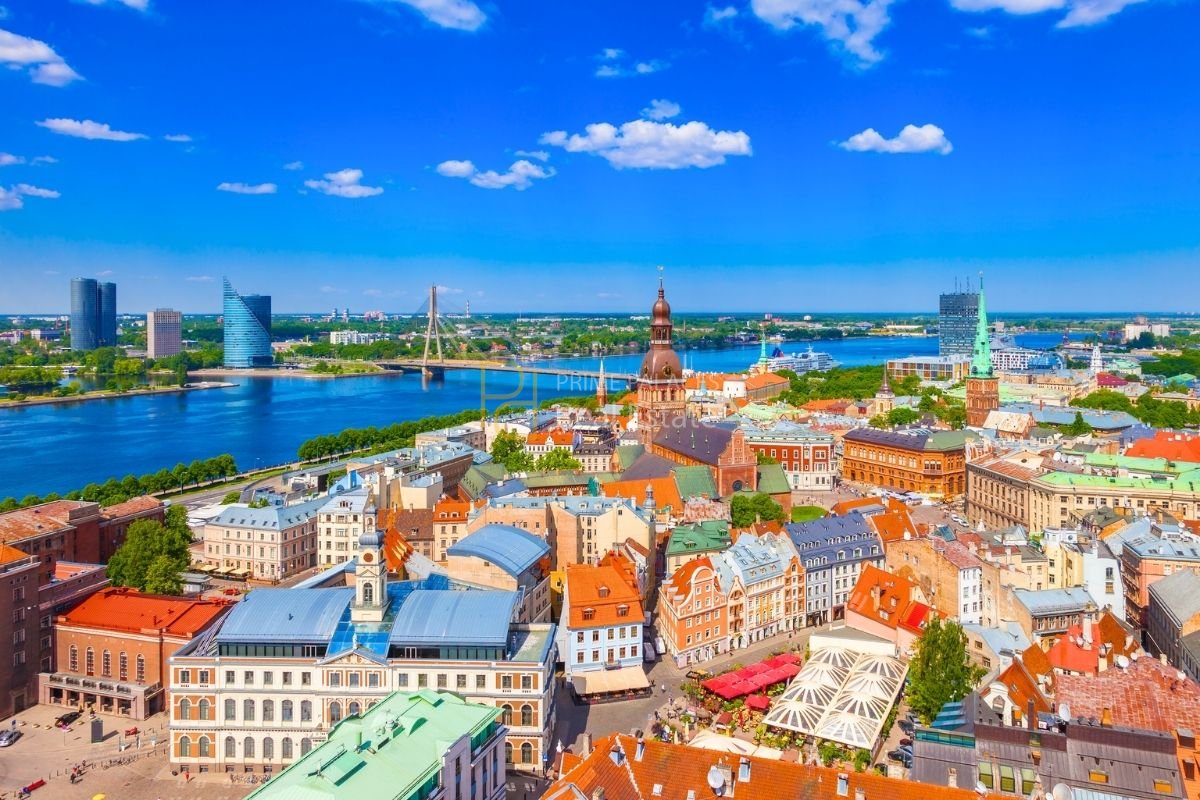
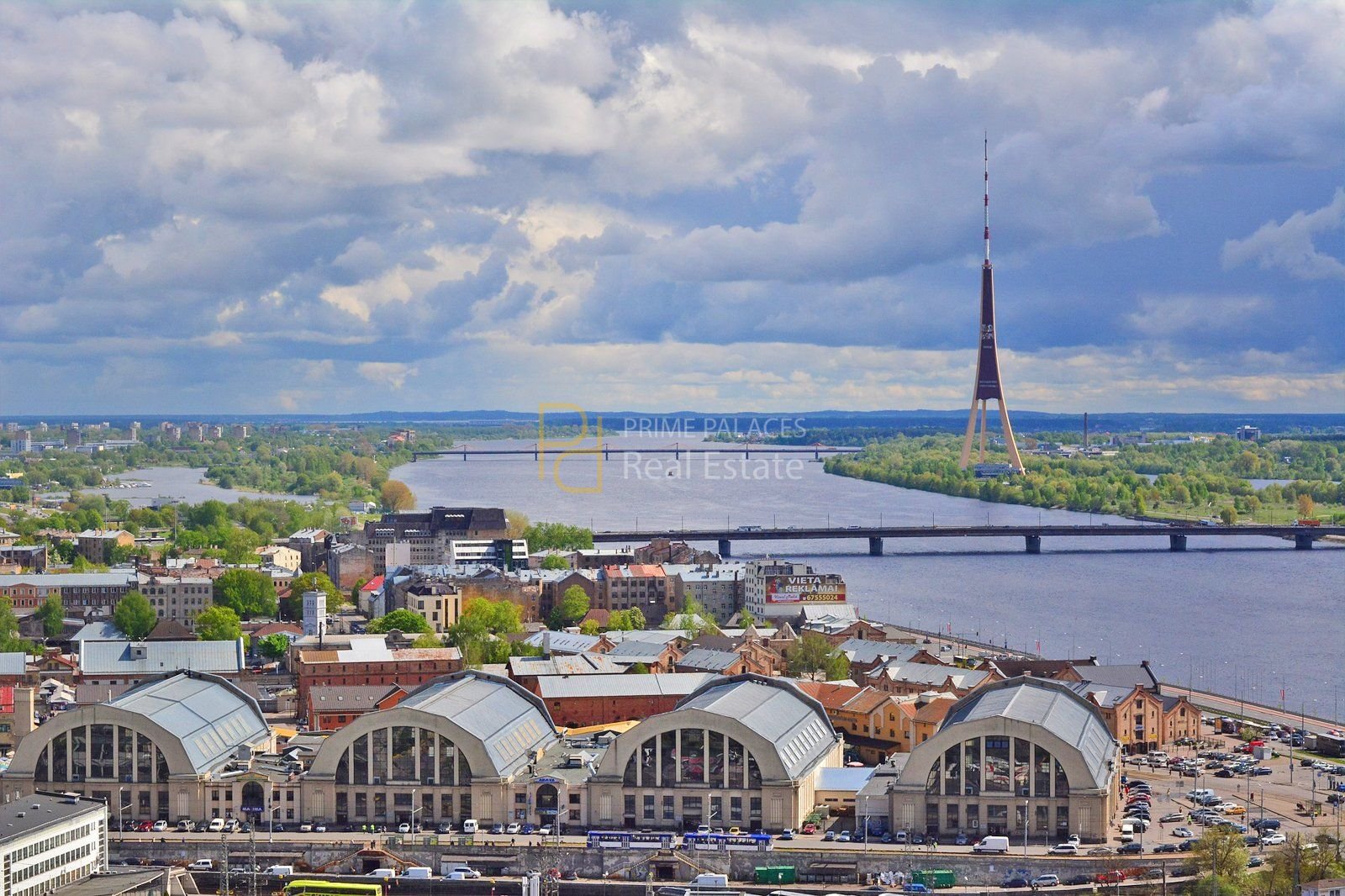
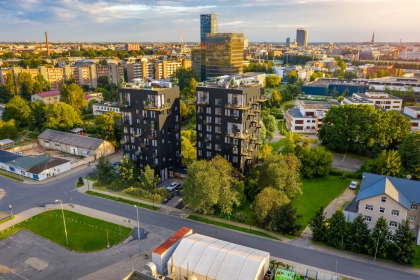
At the core of the market is Riga, the capital city and economic center of the country. Riga dominates the Latvian property market, both in terms of transaction volume and rental demand. The city’s mix of historical architecture, modern developments, and a strong tenant base creates consistent demand for residential units, particularly in central districts and newly developed projects. Investors targeting rental income often focus on apartments in well-connected areas, where occupancy levels remain stable throughout the year.
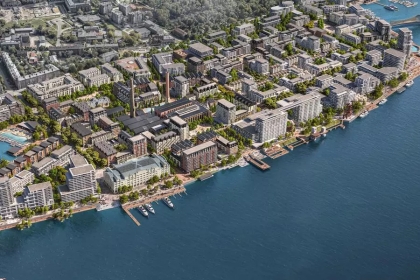
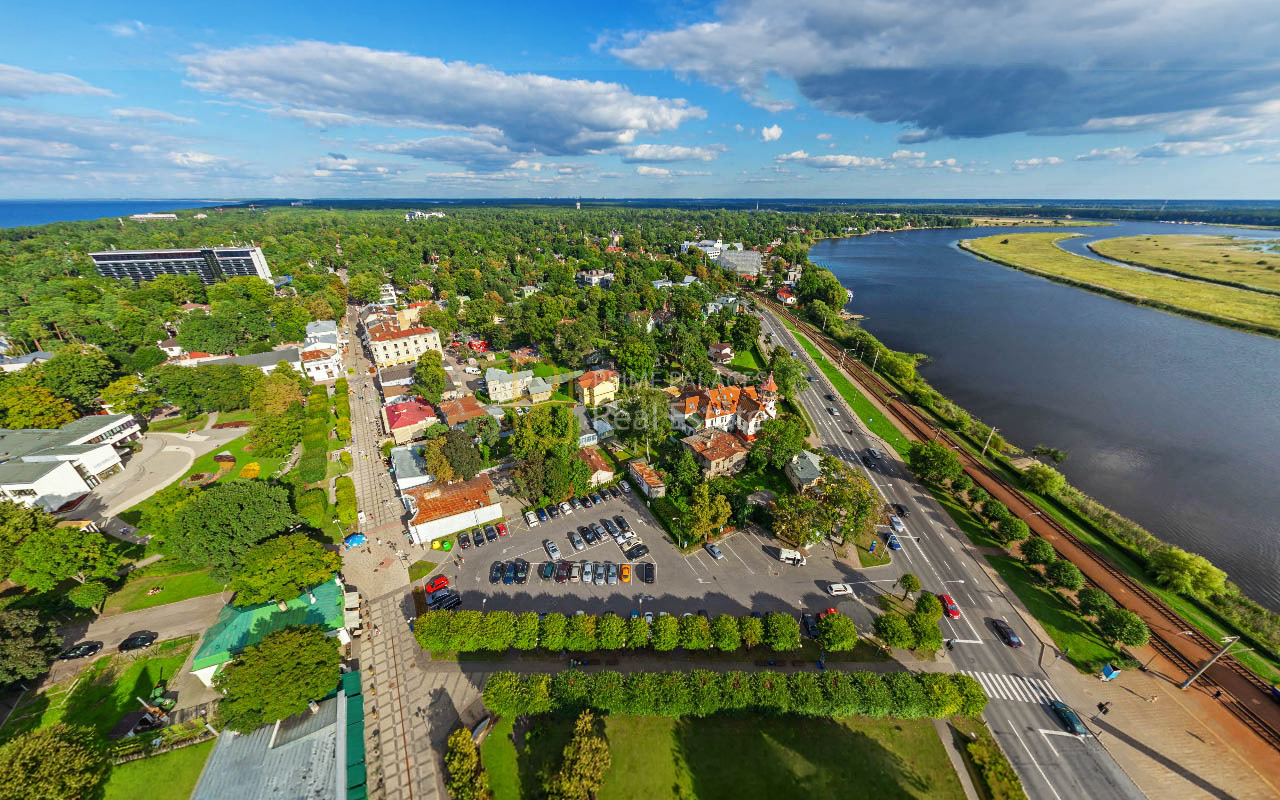
Beyond Riga, the coastal city of Jurmala represents a premium segment within the Latvia real estate investment landscape. Known for its seaside environment and resort-style lifestyle, Jurmala attracts both local and international buyers seeking higher-end properties. While prices in this area are higher compared to the national average, the appeal lies in its exclusivity and seasonal rental potential. Properties near the coastline, especially villas and modern apartments, are positioned as lifestyle investments with long-term value.
A defining characteristic of the property market in Latvia is its pricing structure. Compared to Western Europe, Latvia remains significantly more affordable, allowing investors to acquire assets at a lower capital threshold while still benefiting from EU-based ownership. This pricing advantage has made the market particularly attractive for buyers exploring EU real estate investment opportunities without committing to higher-cost destinations such as France or Spain.
From an investment perspective, the Latvian market is primarily driven by residential demand. Long-term rentals dominate, especially in Riga, where professionals, students, and expatriates form a steady tenant base. Short-term rental potential also exists in selected areas, particularly in central Riga and resort destinations, although investors typically approach this segment with a more targeted strategy.
One important factor that distinguishes Latvia property investment from other markets is the regulatory framework tied to residency. While real estate can be used as a pathway to residency, eligibility depends on meeting specific legal and valuation requirements. This adds a layer of structure to the market, encouraging transparency and due diligence when selecting properties.
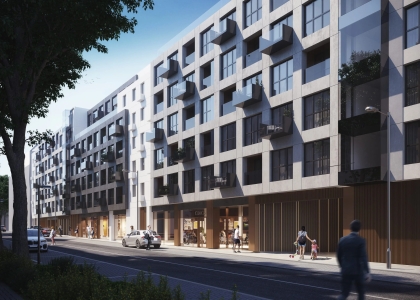
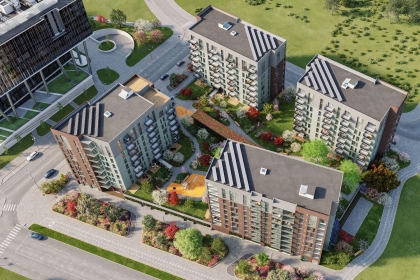
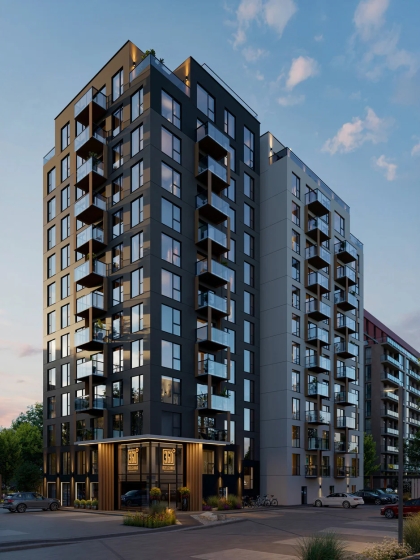
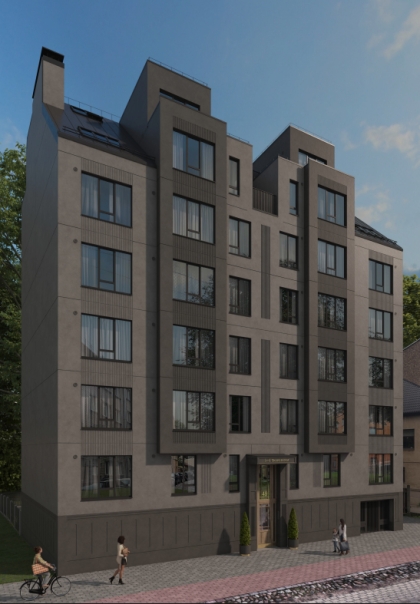
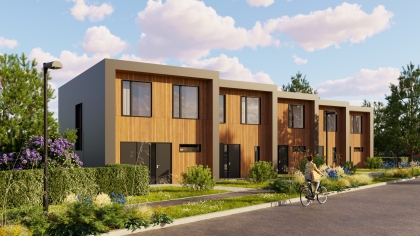
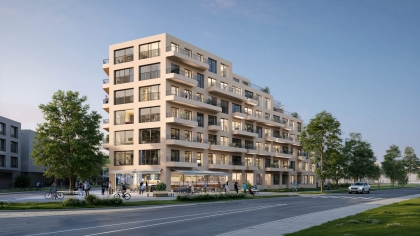
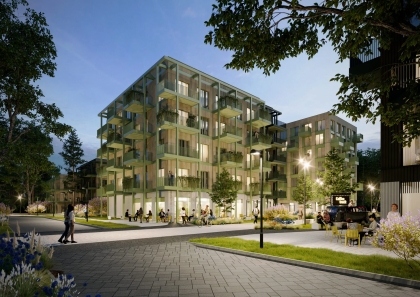
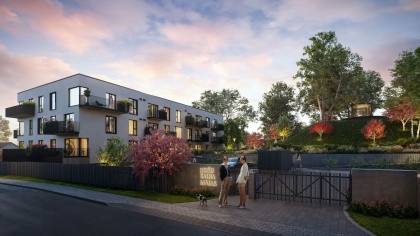
In terms of property types, the market offers a wide range of options, from renovated historical apartments in Riga’s city center to newly built residential complexes and coastal homes. New developments are increasingly popular among investors due to their modern layouts, energy efficiency, and lower maintenance requirements. At the same time, older properties, when properly renovated, can offer strong value and attractive yields.
The long-term outlook for the Latvia real estate market remains stable, supported by its EU membership, improving infrastructure, and consistent demand in key urban areas. While it may not deliver the rapid price growth seen in more speculative markets, it offers a balanced profile focused on affordability, steady returns, and strategic positioning within Europe.
Overall, real estate in Latvia is best suited for investors who prioritize stability, entry-level accessibility, and long-term value. Whether targeting rental income in Riga or lifestyle-driven investments along the Baltic coast, the market provides a range of opportunities that align with different investment strategies while maintaining the advantages of EU-based property ownership.