




Latviya Ko'chmasi Narxlari 11% O'sdi, Iqtisodiy Sharoitlar Zaif Bo'lishiga Qaramay
Latviya residential ko'chmasi bozori 2026 yil boshida keng iqtisodiy zaiflik va sekinlashayotgan mintaqaviy o'sish sharoitlariga qaramay kuchli dinamikani ko'rsatishda davom etdi. Yangi e'lon qilingan uy-joy ma'lumotlariga ko'ra, Latviya xonadon narxlari 2025 yilning to'rtinchi choragida yillik 11.0% ga o'sdi, bu davrda Latviya Evropa Ittifoqidagi eng tez o'sayotgan residential ko'chmasi bozorlaridan biri bo'ldi.
Raqamlar ko'rsatdiki, Latviya uy-joy sektori ko'plab Evropa bozorlarida yuqori moliyalashtirish xarajatlari, inflyatsiya bosimi va zaif iste'molchilar ishonchi bilan moslashayotgan paytda barqarorlikni saqlab qoldi. Kengroq Yevropa Ittifoqi o'sishining o'rtacha yillik uy narxlari 5.5% ga o'sgan bo'lsa-da, Latviya bozori deyarli ikki baravar tezlikda kengaydi.
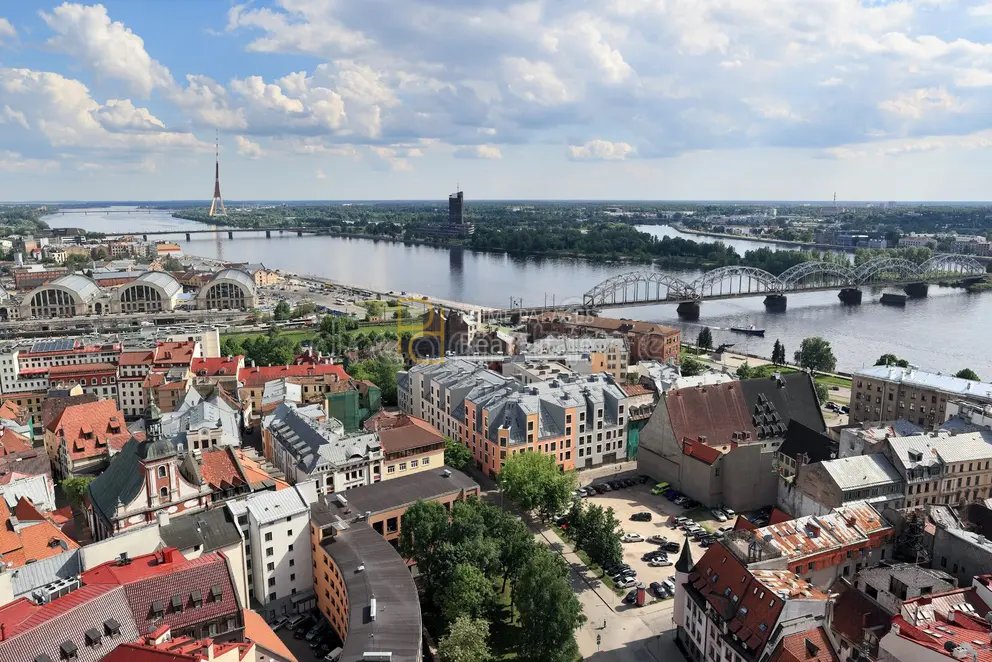
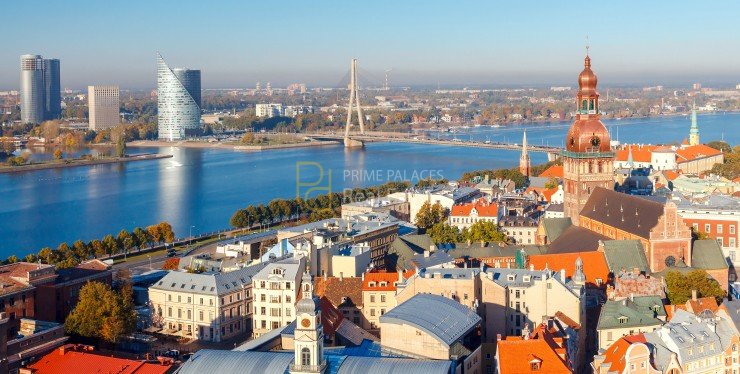
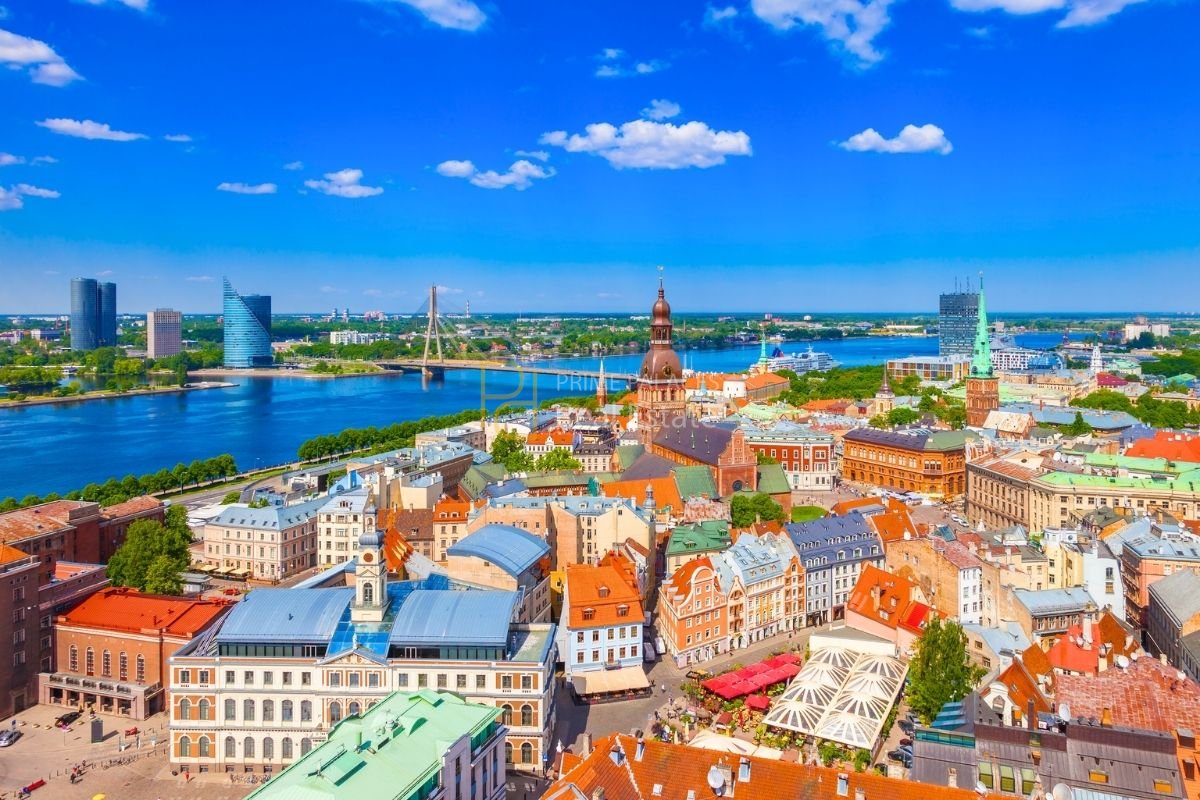
Mavjud kvartiralar va ikkinchi bozordagi residential ko'chmasi narxlarining o'sishini qo'llab-quvvatlovchi asosiy omillar bo'ldi, yangi qurilgan obyektlarga nisbatan ancha kuchli yillik o'sishni qayd etdi. Bozor faoliyati Riga va bir nechta atrofdagi shahar tumanlarida jamlangan bo'lib, cheklangan zamonaviy uy-joy ta'minoti, oshayotgan qurilish xarajatlari va sifatli residential aktivlarga bo'lgan talab narxlarni qo'llab-quvvatlashda davom etdi.
Ma'lumotlar shuni ko'rsatdiki, Latviya uy-joy bozori qisqa muddatli makroiqtisodiy zaiflikdan tobora ajralib bormoqda. Mamlakat 2025 yilning ba'zi qismlarida nisbatan yumshoq iqtisodiy muhitni boshdan kechirganda, residential ko'chmasi qiymatlari cheklangan yangi ta'minot, bosqichma-bosqich oylik o'sish va uzoq muddatli moliyalashtirish kutishlarining yaxshilanishidan foyda ko'rishda davom etdi.
Bozorda qo'llab-quvvatlovchi yana bir muhim omil, EURIBOR bosimining barqarorlashishi bilan qarz olish kayfiyatining bosqichma-bosqich yaxshilanishi edi. O'tgan yillarda, yuqori Yevropa foiz stavkalari Baltika mintaqasida xarid qilish imkoniyatlarini sezilarli darajada kamaytirdi. Biroq, 2026 yil boshida, investorlar va residential xaridorlar moliyalashtirish sharoitlarining yaxshilanishini kutishdi, bu esa ko'chmasi sektoriga ishonchni tiklashga yordam berdi.
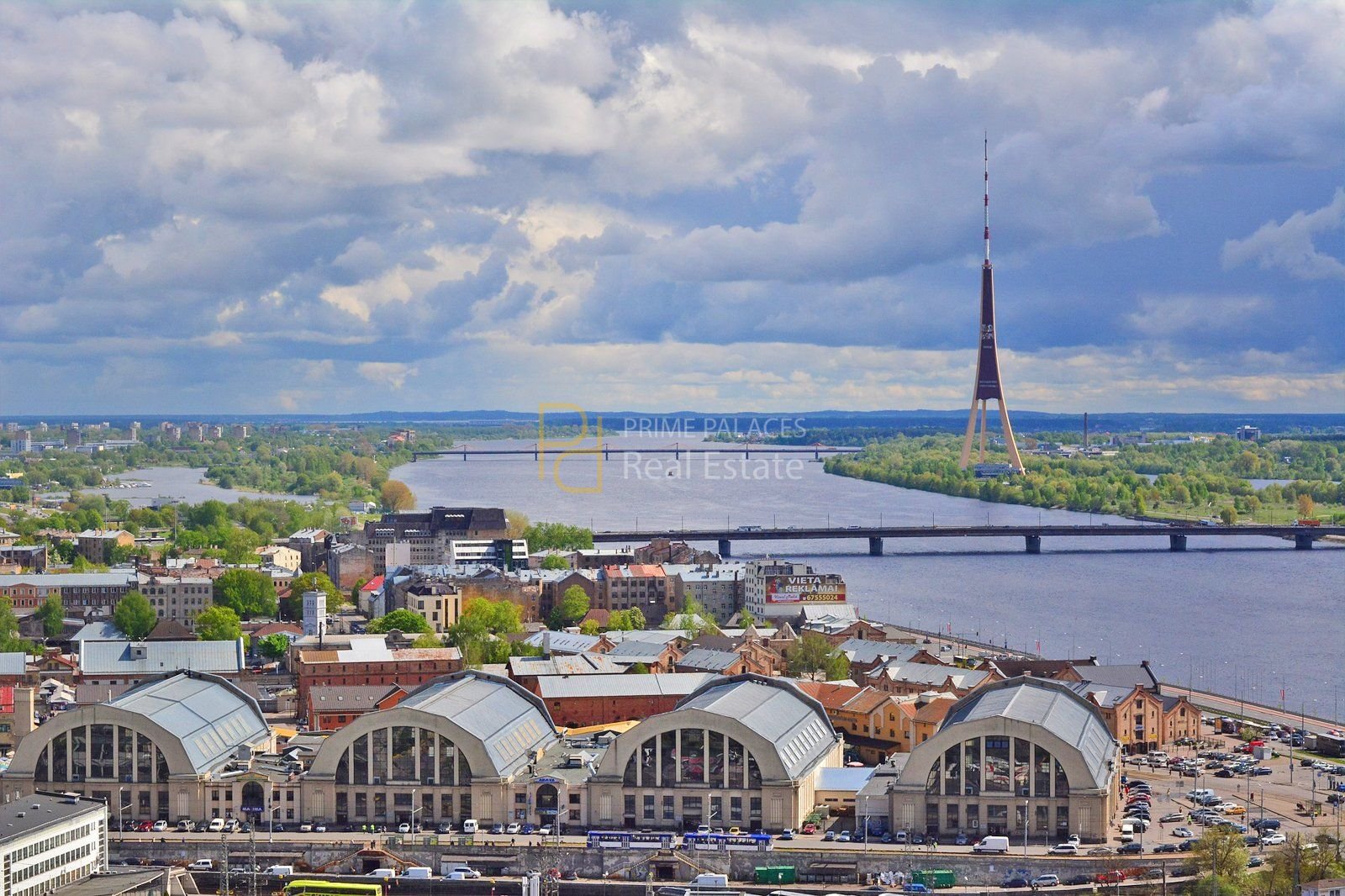
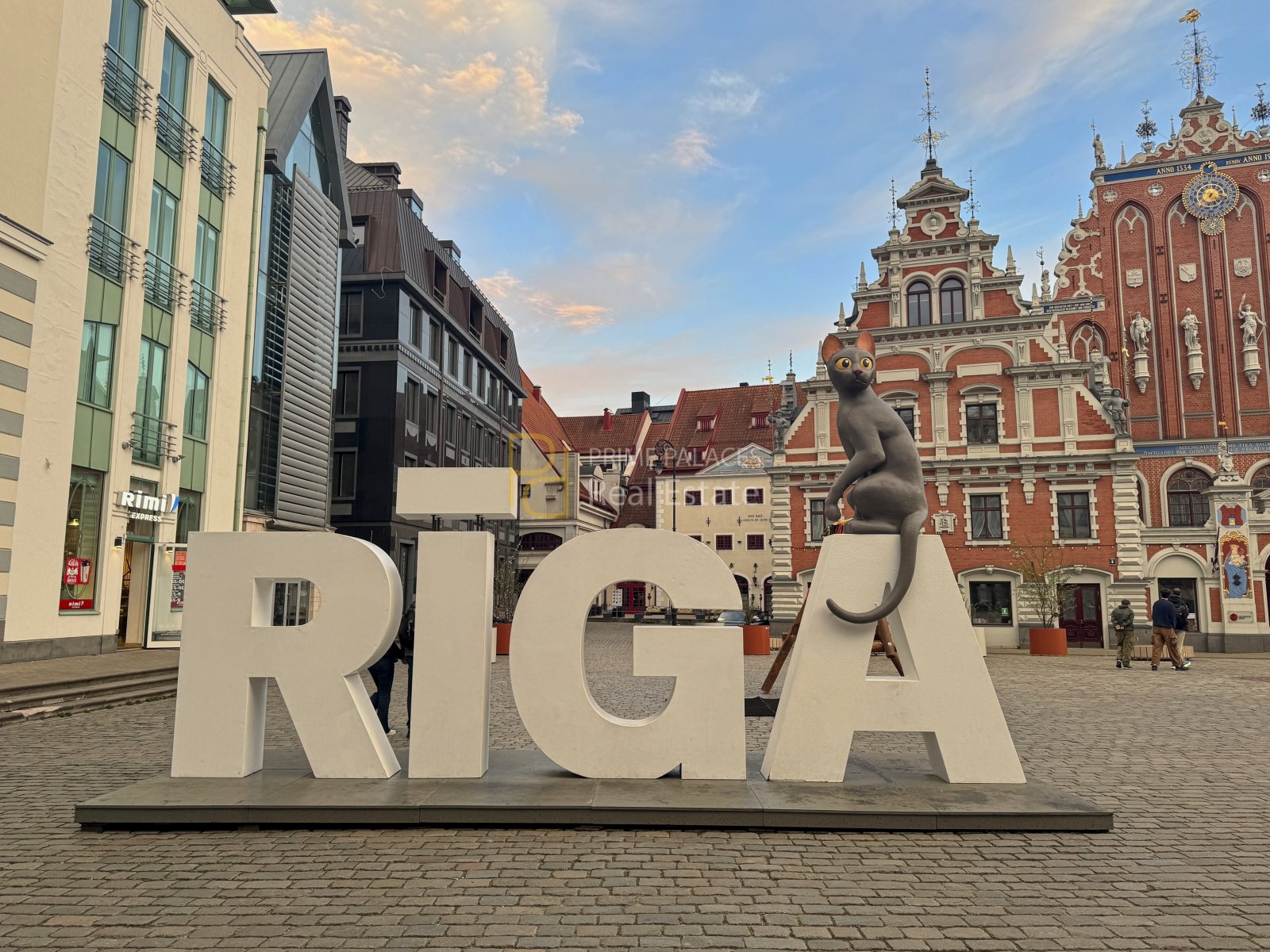
Latviyaning ko'chmasi bozorining natijalari Riganing ko'plab G'arbiy va Janubiy Yevropa shaharlariga nisbatan nisbatan arzon Yevropa poytaxti sifatidagi o'sib borayotgan ahamiyatini mustahkamladi. Xalqaro investorlar bozorni kuzatishda davom etishdi, chunki kirish narxlari past, evro asosidagi aktivlar va Latviya Schengen hududidagi pozitsiyasi mavjud edi.
Bir vaqtning o'zida, bozor sifatga ko'proq e'tibor qaratdi. Xaridorlar yangilangan kvartiralarga, energiya samarali binolarga va past ish xarajatlariga ega zamonaviy rivojlanishlarga ustunlik berishdi. Eskirgan, yangilanmagan Sovet davri uy-joy fondi likvidlik va uzoq muddatli raqobatbardoshlik jihatidan katta bosimga duch kelishda davom etdi.
Yevropaning ba'zi qismlarida davom etayotgan iqtisodiy noaniqliklarga qaramay, Latviya residential sektori 2026 yilga kutilganidan kuchliroq dinamikada kirib, mamlakatni Baltika mintaqasidagi eng barqaror uy-joy bozorlaridan biriga aylantirdi.