





Riga'da Energiya Tezligi Bo'yicha Qulay Kvartiralarning Yetishmasligi
Riga’ning yashash ko'chmas mulk bozori 2026 yilga xaridorlar talabining va mavjud uy-joy ta'minotining o'rtasida o'sib borayotgan nomutanosiblik bilan kirib keldi, ayniqsa zamonaviy energiya tezliligiga ega kvartiralar segmentida. Kommunal xarajatlar, operatsion xarajatlar va qurilish sifatining ahamiyati investorlar va oxirgi foydalanuvchilar uchun tobora muhim bo'lib bormoqda, bozor tezda yangi va barqaror yashash rivojlanishlariga tomon o'zgarishni boshladi.
Eng kuchli talab yangi qurilgan kvartiralarga zamonaviy izolyatsiya tizimlari, samara beruvchi isitish infratuzilmasi, kamroq kommunal xarajatlar va yuqori energiya sertifikatlash standartlari bilan to'planishda davom etdi. Xaridorlar uzoq muddatli arzonlik va operatsion samaradorlikni afzal ko'rishmoqda, faqat kvadrat metr uchun xarid narxiga e'tibor bermasdan. Bu tendensiya qish mavsumida, eski Sovet davri kvartiralari bo'yicha isitish va texnik xizmat ko'rsatish xarajatlari aholi uchun katta muammo bo'lib qolganida ayniqsa ko'zga tashlandi.
Bir vaqtning o'zida, zamonaviy uy-joy ta'minoti cheklangan holda qoldi. Bozor tahlilchilari Riga’ning yashash sektori har yili atigi 1,500 yangi kvartira taqdim etish qobiliyatiga ega ekanligini baholadilar, aslida sifatli uy-joyga talab ancha yuqori edi. Nomutanosiblik narxlar ustida qo'shimcha bosim yaratdi, ayniqsa zamonaviy rejalashtirish, yer osti avtoturargoh, energiya tezliligiga ega tizimlar va infratuzilmaga yaqin joylashgan loyihalar uchun.
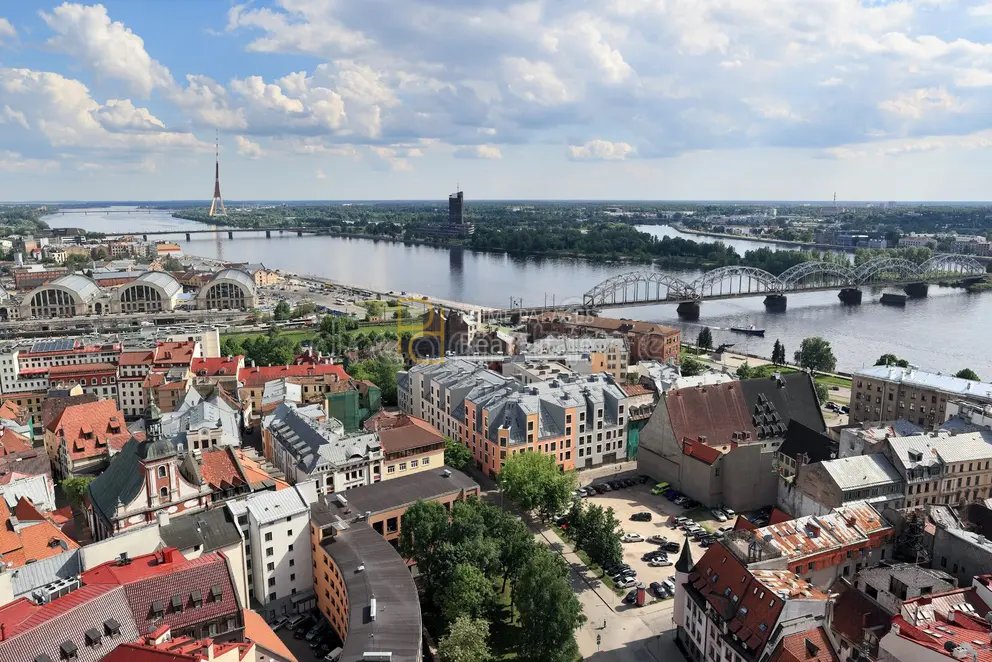
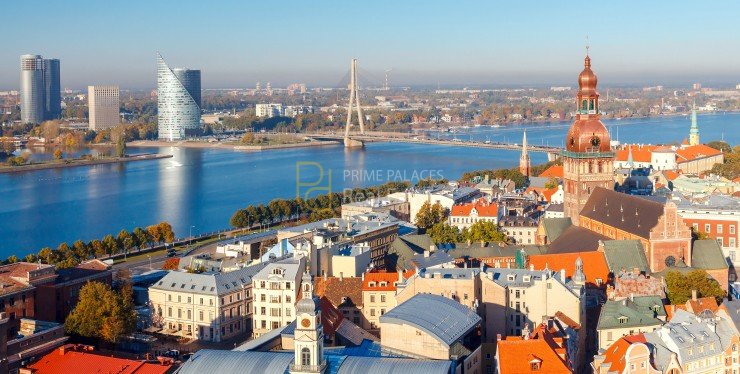
O'zgarish, shuningdek, Latviyaning poytaxtidagi eski va yangi uy-joy fondi o'rtasidagi o'sib borayotgan farqni ko'rsatdi. Ta'mirlangan va energiya tezliligiga ega kvartiralar barqaror talab va kuchli narx o'sishini davom ettirgan bo'lsa, ko'plab ta'mirlanmagan Sovet davri binolari raqobatbardoshlik muammolari bilan yuzlashmoqda. Xaridorlar qurilish holati, energiya samaradorligi, texnik xizmat ko'rsatish sifati va uzoq muddatli likvidlik potensiali bo'yicha yanada tanqidiy bo'lishdi.
Rivojlantiruvchilar yangi bozor muhitiga moslashib, yuqori sifatli yashash loyihalariga, qayta qurish imkoniyatlariga va aralash foydalanish modernizatsiya strategiyalariga e'tibor qaratmoqdalar. Energiya tezliligi endi faqat ekologik yoki texnik xususiyat sifatida ko'rilmaydi, balki arzonlik, ijaraga raqobatbardoshlik va uzoq muddatli aktiv qiymatiga bevosita ta'sir ko'rsatadigan asosiy iqtisodiy omil sifatida qaralmoqda.
Bu tendensiya Riga’ning ko'chmas mulk bozorida yuz berayotgan kengroq o'zgarishni aks ettiradi. Latviyaning uy-joy sektori asta-sekin past narxli post-Sovet yashash bozoridan yanada segmentlangan va sifatga yo'naltirilgan evropacha ko'chmas mulk muhitiga o'tmoqda, bu yerda operatsion samaradorlik, barqarorlik va qurilish standartlari markaziy investitsiya hisobga olinadigan omillarga aylanmoqda.
Evropaning ayrim qismlarida kengroq iqtisodiy noaniqlik bo'lishiga qaramay, Riga’ning yashash bozori cheklangan zamonaviy ta'minot, yaxshilangan moliyalashtirish kutishlari va yuqori sifatli kvartiralarga barqaror talab tufayli chidamlilik ko'rsatishda davom etdi. Energiya tezliligiga ega uy-joy yetishmovchiligi 2026 yilda Latviyaning ko'chmas mulk bozorini shakllantiruvchi asosiy struktural mavzulardan biriga aylanmoqda.